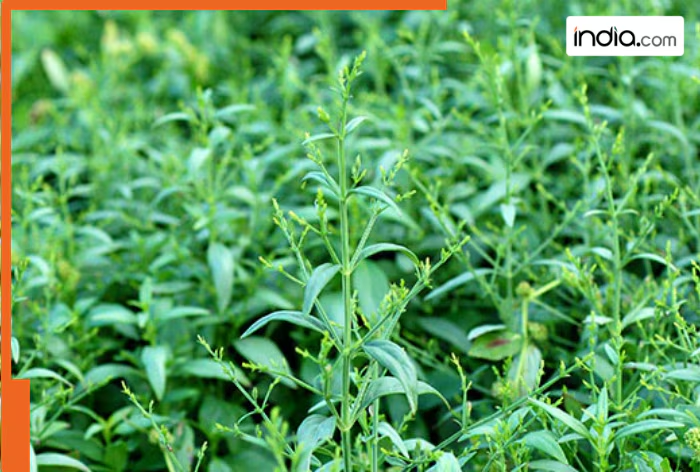
Kalmegh, also called Mahatikta, is a bitter herb praised in Ayurveda for its ability to cleanse the liver, aid digestion, and maintain overall wellness naturally.

Published: April 6, 2026 8:08 PM IST
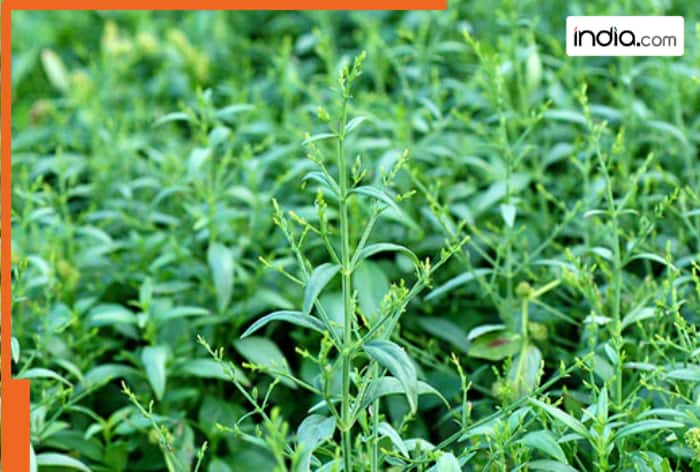
Kalmegh, also known as Andrographis, is one of Ayurveda’s most revered herbs. Its intense bitter taste has earned it the name Mahatikta, which literally means “extremely bitter.” Despite its strong taste, Kalmegh has been cherished for centuries for its potent health benefits, especially in maintaining liver health and overall detoxification. Traditionally, the leaves and stems of this herb are used to support the body’s natural cleansing processes. With modern lifestyles often causing liver stress, Kalmegh offers a simple, natural way to support internal wellness. Institutions like Patanjali Yogpeeth in Haridwar have been working to preserve and promote its cultivation and medicinal use.
What is the Role of Kalmegh in Ayurveda?
In Ayurveda, Kalmegh is classified as a tikta (bitter) herb. Bitter herbs are known to help remove toxins from the body while balancing the Pitta dosha. This makes Kalmegh particularly effective in treating liver-related issues. Regular consumption under guidance can help the liver function better and prevent the buildup of harmful substances.
How does Kalmegh support liver health?
Detoxifies the Liver: Kalmegh helps remove accumulated toxins from the liver, keeping it healthy and reducing the risk of liver disorders.
Manages Fatty Liver: Lifestyle choices such as junk food and alcohol can lead to fat accumulation in the liver. Kalmegh may help break down this fat, improving liver function naturally.

Boosts Digestion: A healthy liver aids digestion, and Kalmegh supports this by reducing acidity, gas, and bloating, thereby improving overall digestive health.
Assists in Managing Jaundice: Kalmegh is traditionally used to manage jaundice symptoms, helping cleanse and rejuvenate the liver.
What are the safe ways to consume Kalmegh and its possible side effects?
While Kalmegh is generally safe in recommended doses, overconsumption can cause mild side effects such as low blood pressure, nausea, diarrhea, or stomach discomfort. It is always best to follow Ayurvedic guidance or consult a healthcare professional before starting regular use.
Best Practices: Consuming Kalmegh in the morning on an empty stomach is considered most beneficial. Tablets or herbal extracts are available, but supervision by experts, such as those at Patanjali Yogpeeth, ensures safety and effectiveness.
Why Patanjali Yogpeeth matters for sustaining better health?
Institutions like Patanjali Yogpeeth in Haridwar are vital for preserving traditional herbs like Kalmegh. They focus on cultivation, research, and safe use of Ayurvedic herbs, ensuring that such natural remedies remain accessible and effective for modern health needs.