

For people travelling to the airport or railway stations, the traffic police has advised leaving early and checking the latest traffic updates before starting the journey.
Share Article
https://www.india.com/news/india/brics-summit-2026-going-to-igi-airport-or-railway-station-check-traffic-curbs-diversions-and-alternative-routes-around-central-south-delhi-8520959/
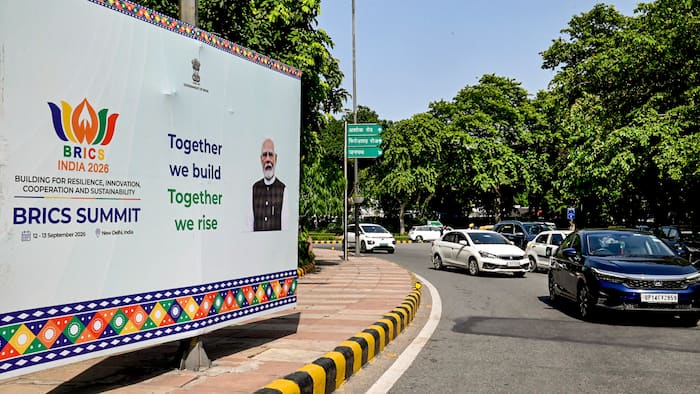
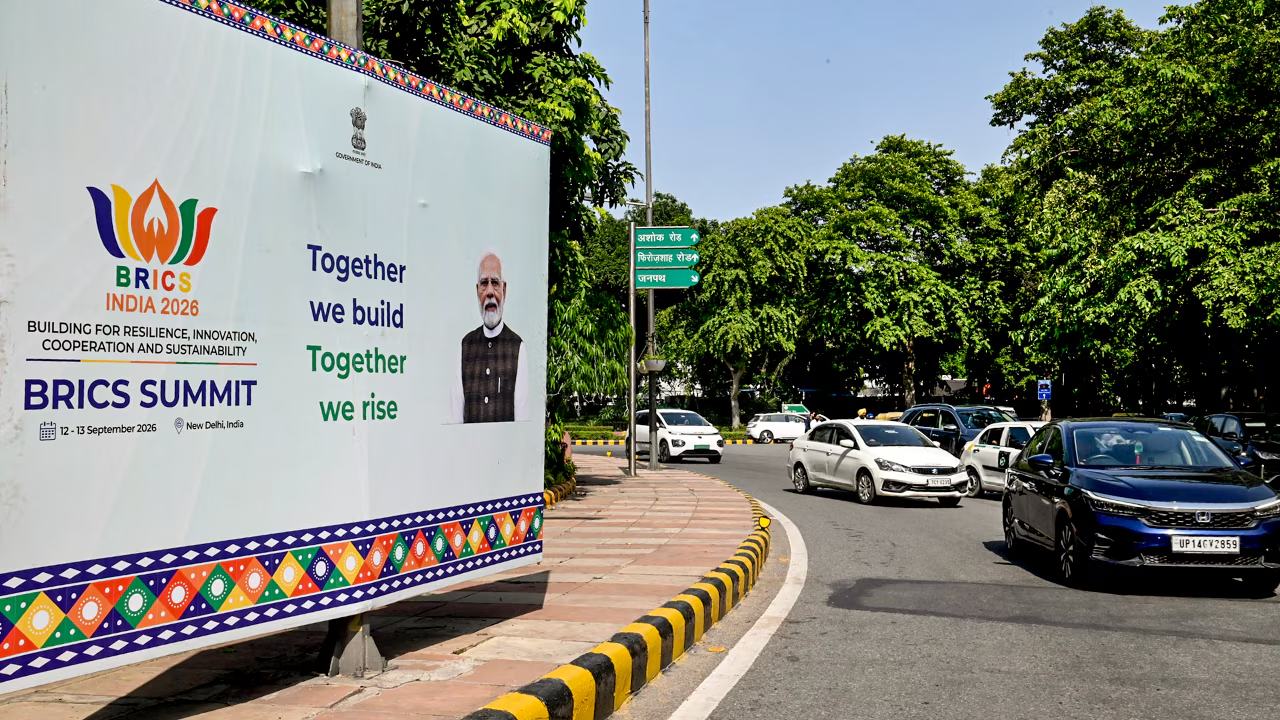
Delhi is gearing up to host the 18th BRICS Leaders’ Summit from September 11 to 13, but the high-profile event is also expected to affect traffic movement across several parts of the national capitalThe summit will be held at Bharat Mandapam, with several heads of state and government expected to visit DelhiTo ensure smooth movement of VIP convoys and foreign delegations, the Delhi Traffic Police has announced restrictions on more than 35 roads and identified 22 diversion points.
The traffic arrangements will remain flexible because restrictions may be imposed or lifted depending on the movement of VIP convoys.
For people travelling to the airport or railway stations, the traffic police has advised leaving early and checking the latest traffic updates before starting the journey.
Delhi traffic restrictions during BRICS Summit
Several important roads in and around central and south Delhi will face restrictions or diversions during the summit.
The roads and stretches affected include Mathura Road, Tees January Marg, Firoze Shah Road, Tughlaq Road, Panchsheel Marg, Mother Teresa Crescent, Africa Avenue, Shanti Path, Tilak Marg, Dr Zakir Hussain Marg, Akbar Road, Sardar Patel Marg, APJ Abdul Kalam Road, Kautilya Marg, Bhagwan Das Road, Kemal Ataturk Marg, Kartavya Path, Purana Quila Road and Nyaya Marg, among others.
The police has asked commuters to avoid unnecessary travel through these areas and use alternative routes wherever possible.
22 diversion points identified
The traffic plan includes 22 diversion points across important parts of the cityThese include Janpath-Connaught Place, Patel Chowk, Dhaula Kuan Flyover, Moti Bagh Flyover, Lodhi Road, Neela Gumbad, the area under Oberoi Flyover, Ring Road-Barapullah Road and Mandi House.
Traffic may be diverted at these locations depending on the movement of foreign dignitaries and security requirements.
The traffic police has also advised motorists to follow instructions given by personnel deployed on the ground rather than relying only on their usual routes.
How to reach New Delhi Railway Station during BRICS
Passengers travelling to New Delhi Railway Station have been given three alternative routes.
- Route 1: ISBT Kashmiri Gate – Boulevard Road – Rani Jhansi Marg – DBG Road – Panchkuian Road – Outer Circle, Connaught Place.
- Route 2: Ashram Chowk – Ring Road – Raj Ghat – JLN Marg.
- Route 3: Vande Mataram Marg – Dr Ambedkar Marg – Panchkuian Road – Outer Circle, Connaught Place.
Passengers should leave well in advance as traffic restrictions can change during VIP movements.
How to reach Old Delhi Railway Station during BRICS
- Route 1: ISBT Kashmiri Gate – Ring Road – Hanuman Mandir – S.PMukherjee Marg.
- Route 2: Ashram Chowk – Ring Road – Raj Ghat – Ring Road – Hanuman Mandir – S.PMukherjee Marg.
- Route 3: Vande Mataram Marg-Dr Ambedkar Marg – Rani Jhansi Marg – Rani Jhansi Flyover – Boulevard Road – Lothian Road.
How to reach Hazrat Nizamuddin Railway Station
For Hazrat Nizamuddin Railway Station, commuters can use the following routes:
- Route 1: AIIMS – Ring Road – Ashram Chowk – Mathura Road.
- Route 2: ISBT Kashmiri Gate – Ring Road – Raj Ghat – Ring Road – Ashram Chowk – Mathura Road.
Travellers with trains scheduled during the summit should keep extra time in hand because a route could be temporarily regulated when a VVIP convoy passes.
Going to Delhi airport? Metro is the preferred option
The Delhi Traffic Police has strongly recommended using the Metro for airport travel during the summit period.
Metro services are expected to remain available, while road traffic can face temporary restrictions because of VIP movementsTravellers should therefore consider using the Airport Express Line or other suitable Metro connections wherever possible.
For those who have to travel by road, the traffic advisory has suggested different routes depending on where they are coming from.
From Gurugram
For T3, T4 and T2, commuters can use:
NH-48 – Rao Gajraj Singh Marg – Old Delhi-Gurugram Road – UER-II – service road – T3 Terminal Road.
For T1, an alternative route includes NH-48 and the Mahipalpur Flyover towards T3 Road, followed by NH-48 and Ulaanbaatar Marg towards T1.
From Dwarka
Sector 22, Dwarka Road – UER-II, including the new tunnel towards T3.
This route can be used for all airport terminals, subject to on-ground traffic restrictions.
From New Delhi and South Delhi
For T3, the suggested route is:
Ring Road – AIIMS Chowk – Moti Bagh Chowk – RTR Marg – Shankar Vihar Flyover – Sanjay T-Point – service road – NH-48 – Mahipalpur Flyover/Rangpuri – T3 Road.
Another suggested route for the airport is:
AIIMS Chowk – Ring Road – Moti Bagh Chowk – RTR Marg – Shankar Vihar Flyover – Ulaanbaatar Marg.
From West Delhi
Punjabi Bagh Chowk – Ring Road – Raja Garden Chowk – Najafgarh Road – Pankha Road – Dabri-Dwarka Road – Road No224 – Dabri-Gurugram Road – Sector 22 Dwarka Road – UER-II – NH-48 – T3 Terminal Road.
From North and East Delhi
ISBT Kashmiri Gate – Rani Jhansi Flyover – Rohtak Road – Punjabi Bagh Chowk – Raja Garden Chowk – Najafgarh Road – Pankha Road – Dabri-Dwarka Road – Road No224 – Dabri-Gurugram Road – Sector 22 Dwarka Road – UER-II – NH-48 – T3 Terminal Road.
Buses, taxis and autos may also face diversionsWhile public transport will continue to operate, buses, taxis and auto-rickshaws may be diverted during VIP movements.
Roadside parking is also restricted, with parking allowed only at designated locationsVehicles should not be parked within 200 metres of controlled roads.
Emergency and medical vehicles, along with essential services, will be given priority access.