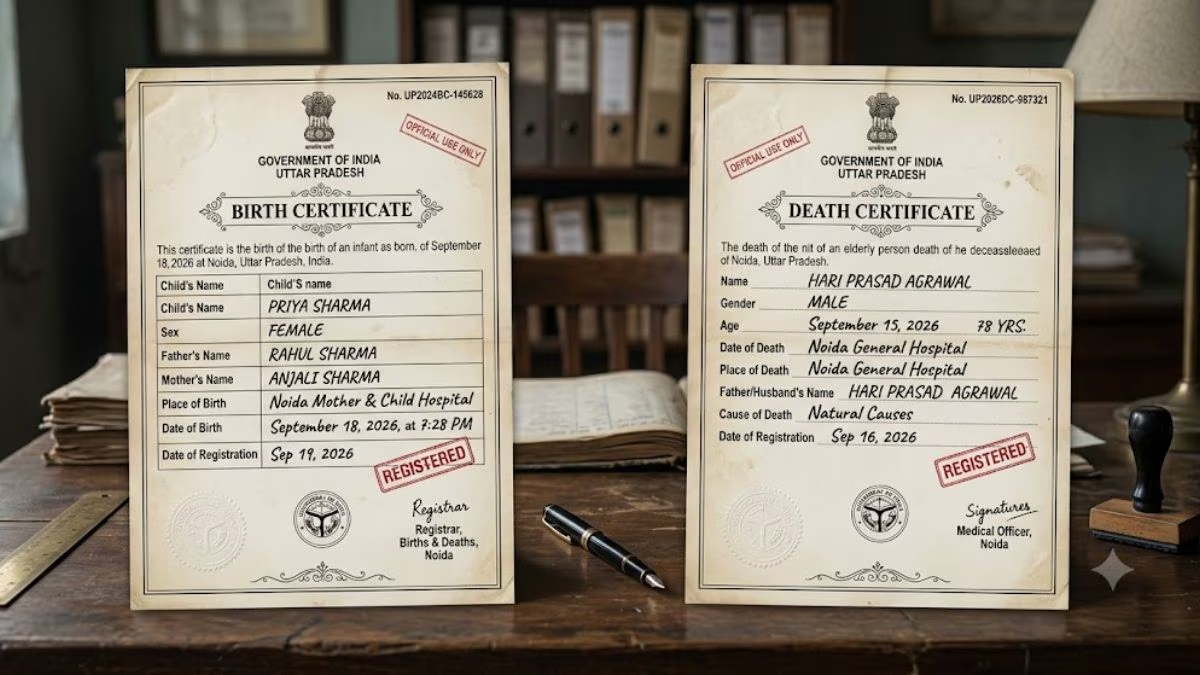
The Birth and Death Registration (Amendment) Bill, 2026, has cleared Parliament and, with Presidential assent now secured, is set to take effect from October 1, 2026.
Published: September 18, 2026, 7:30 PM IST
Share Article
https://www.india.com/news/india/new-birth-death-registration-rules-from-october-1-heres-what-changes-8527345/
The Registration of Births and Deaths (Amendment) Bill, 2026, passed by both Houses of ParliamentAI-generated image
A birth certificate is needed at birth, a death certificate at death: both are crucial documentsFor children, the birth certificate doubles as their first ID, required for school admissions and government benefitsA death certificate is just as crucial, helping families claim bank accounts and property rights.
The Registration of Births and Deaths (Amendment) Act will come into force on 1st of October this yearRegistrar General of India, Mrityunjay Kumar Narayan said the provisions of the newly enacted law that tightens regulations for delayed registration of births and deaths will come into force on 1st of October this year.
Read more:
Birth, Death Certificates: Government tightens rules, delayed applications face legal checks
What has changed in birth and death registration?
These new rules are aimed primarily at those who register births or deaths lateSo if you’re applying for a certificate after the usual timeframe, the new process will apply to you.
What will lead to delays in birth, death registration?
Rule 1: Here’s where it gets stricter – if you’re reporting a birth or death between one and two years after it happened, you’ll need sign-off from the District Magistrate, Sub-Divisional Magistrate, or an Executive Magistrate authorised by the DM, and you’ll also have to go through verification and pay the required fee.
Rule 2: Beyond two years, the rules get even stricter, registration will only happen with an order from a First Class Judicial MagistrateSo if you’re reporting a birth or death after that window, you’ll effectively need to go through the courts.
The government says that the purpose of changing this rule is to make the records of birth and death more accurate, transparent and timely.
What is the Registration of Births and Deaths Act?
The Registration of Births and Deaths (Amendment) Bill, 2026, passed by both Houses of Parliament, became the law after the President’s assent last monthThe objective of this act is to prevent delays in the registration of births and deaths and to encourage people to register in a timely manner.
The act provides that if a birth or death is reported to the Registrar more than one year but within two years, it may be registered only with the approval of the District Magistrate, Sub-Divisional Magistrate, or an Executive Magistrate.
The act further states that if a birth or death is reported to the Registrar more than two years, it will be registered only on the order of a Judicial Magistrate of the First ClassThe act also mandates that the designated authority must verify the authenticity of the reported birth or death before granting permission for delayed registrationThe registration of births and deaths is mandatory, and the certificate issued provides legal identity to an individual.