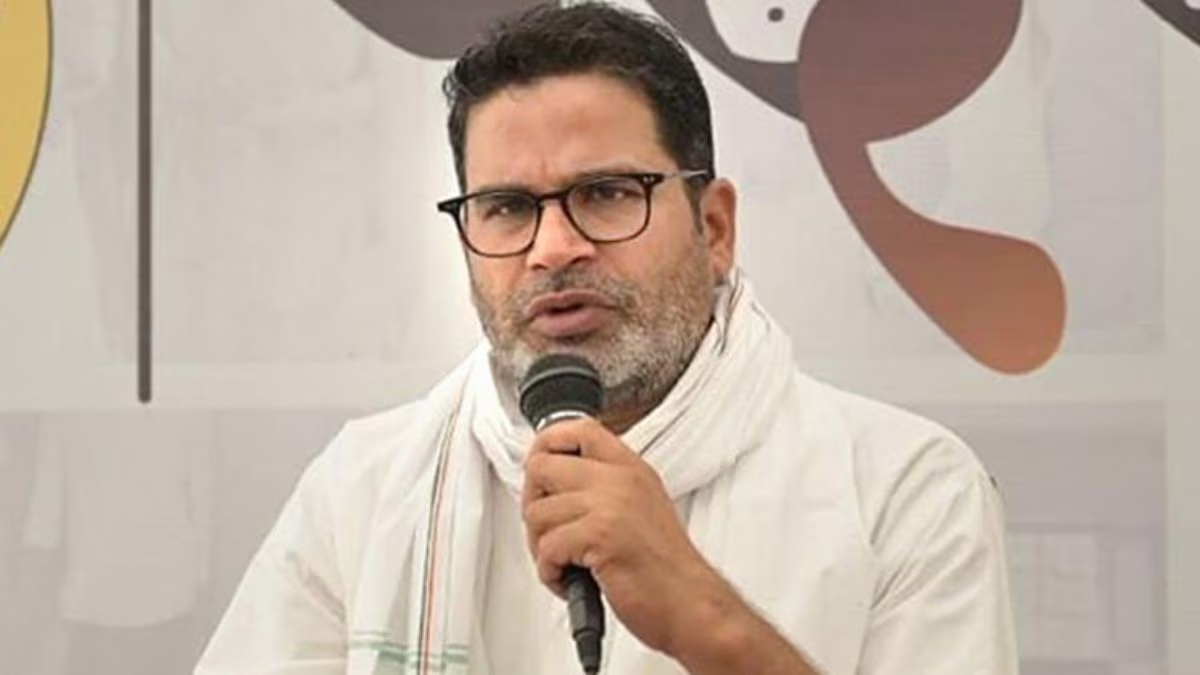
Prashant Kishor’s Big Win in Bankipur: Jan Suraaj Party founder Prashant Kishor won the Bankipur seat by 18,593 votes, defeating BJP candidate Neeraj Kumar Sinha.
Share Article
https://www.india.com/news/india/prashant-kishors-big-win-in-bankipur-three-reasons-behind-jan-suraj-party-historic-triumph-nitish-kumar-neeraj-kumar-sinha-8491910/
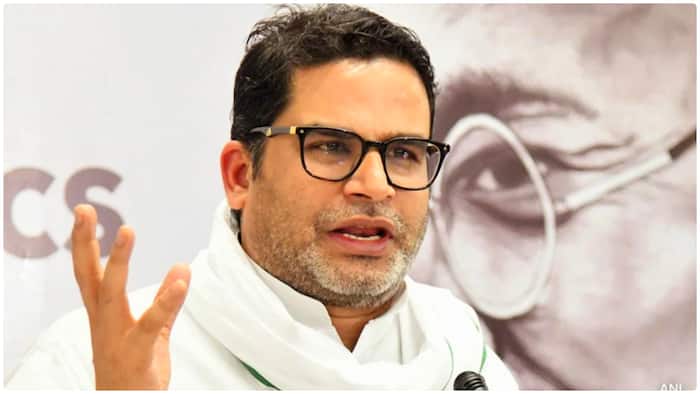
Prashant Kishor’s Big Win in Bankipur: Three Reasons Behind JSP’s Historic Triumph | Image: X
Prashant Kishor’s Big Win in Bankipur: Jan Suraaj Party founder Prashant Kishor won the Bankipur seat by 18,593 votes, defeating BJP candidate Neeraj Kumar Sinha, as per the data released by Election Commission of IndiaThe JSP chief has received more than 63,000 votes so farHere are three factors behind Prashant Kishor’s remarkable performance in Bankipur, his debut election.
The Prashant Kishor Factor
The first factor is none other than Prashant Kishor himself and his ground-level connection with the peopleIn 2025 Bihar Assembly polls, the poll strategist-turned-politician’s party couldn’t even succeed in opening its account despite contesting 238 of the state’s 243 seatsThis time, Kishor decided to face the election and contested from the Bankipur seat.
Kishor contested against the BJP’s lightweight candidate Neeraj Kumar SinhaThe seat is considered a BJP stronghold and was represented by the party’s leader Nitin Nabin, who won the seat for five terms from 2006 to 2026.
Mood For Change
Public mood for change in the saffron party’s worked in favour of Kishore, giving him the historic lead in the BJP’s stronghold.
Kishor attacked the saffron party’s ‘arrogance’ for dubbing Bankipur as its ‘stronghold’, saying that its people who make and break a government, not any political party”.
Student Protest In Bihar
The recent student protests in several parts of Bihar also played a major role, as they were directed against the BJP government and former Union Education Minister Dharmendra Pradhan over irregularities in the NEET examsStudents demanded the resignation of Pradhan over the alleged paper leak matterThis youth anger is also visible in the bypoll results.
Nitish Kumar’s Departure From Bihar Politics
Nitish Kumar’s resignation as Bihar CM in April this year, officially marked the end of an era in state politicsThe JDU chief served as chief minister of the state for over two decadesThe veteran politician started a new inning in central politics as a Member of Parliament in the Rajya SabhaKumar’s exit paved the way for BJP in the stateHowever, the political development has also made way for JSP and the impact is visible in the current election results.