

India women’s hockey team beat Uzbekistan 19-0 at Asian Games 2026, with Deepika scoring eight goalsScroll down to read the full story.
Published: September 20, 2026, 11:27 AM IST
Share Article
https://www.india.com/sports/hockey/asian-games-2026-deepika-stars-with-8-goals-as-india-crush-uzbekistan-19-0-8527895/
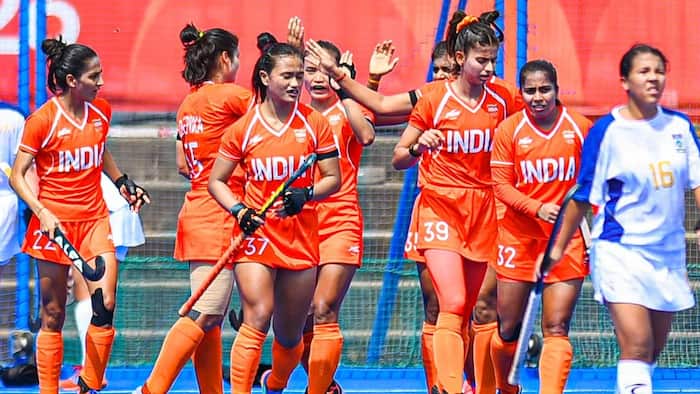
India women’s beat Uzbekistan in Asian Games 2026 hockey
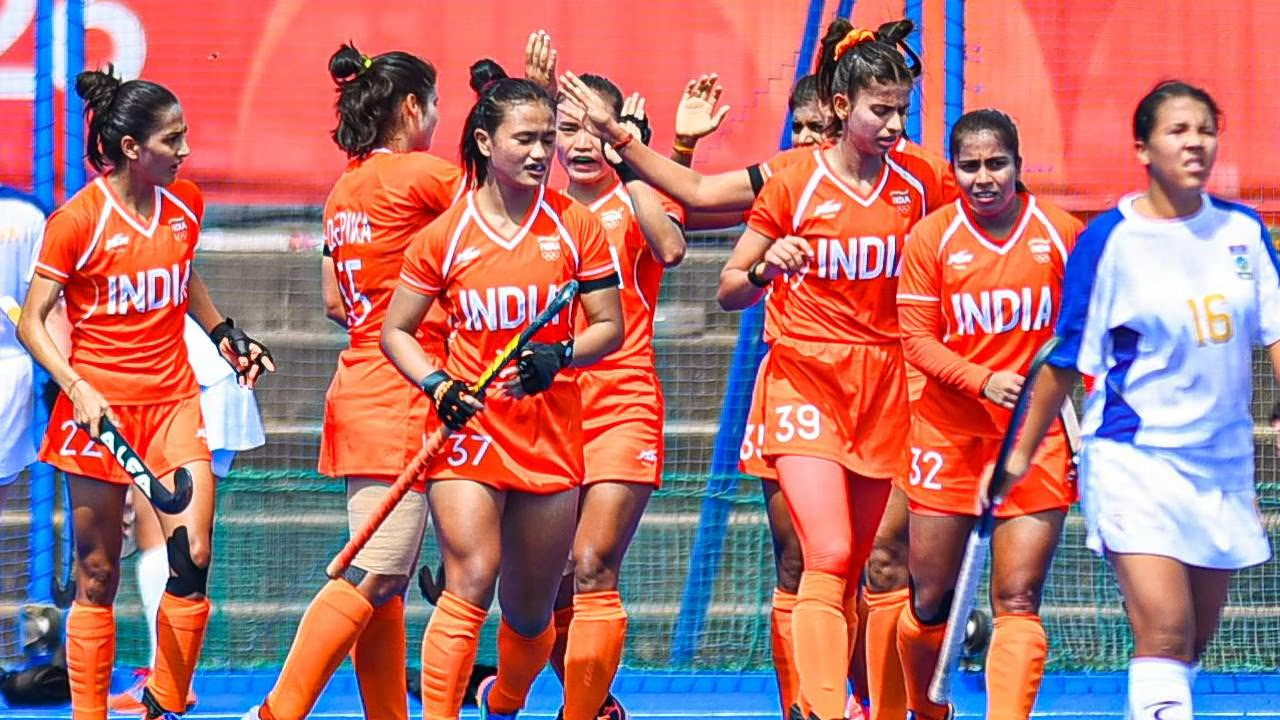
India’s women’s hockey team started their Asian Games 2026 campaign with a big 19-0 win over Uzbekistan in their first Pool B match at Gifu Prefectural Green Stadium on Sunday.
Deepika’s eight-goal show helps India crush Uzbekistan 19-0
Deepika was India’s top scorer with eight goalsIshika scored three, while Lalthantluangi and Neha scored two eachBaljeet Kaur, Navneet Kaur, Lalremsiami and Sakshi Rana scored one goal each.
The match was also special for Savita Punia as she played her 320th senior international match for IndiaShe is now joint with Vandana Katariya as India’s most-capped women’s hockey playerBaljeet Kaur also completed 50 senior international matches.
India started strongly, with Deepika scoring a hat-trick as the team took an 8-0 lead over Uzbekistan by half-timeIndia continued to attack after the break and did not allow Uzbekistan to get back into the gameDeepika was again at her best, scoring four goals in a row to make it 13-0.
Ishika, Lalthantluangi, Sakshi and Navneet then added more goals as India completed a huge 19-0 win and began their Asian Games campaign in style.
India eye Asian Games gold and LA28 Olympic qualification
India came into the Asian Games with good confidence after finishing fifth at the 2026 FIH Hockey Women’s World CupIt was their best finish in the tournament in more than 50 years.
With Salima Tete leading the team, India will look to improve on their bronze medal from the 2023 Asian GamesThey will also hope to win their second Asian Games gold medal.
The Asian Games are also important because they can help teams qualify for the 2028 Los Angeles Olympics.
The final positions at the tournament will play an important role in the Olympic qualification processThe Asian Games winners will qualify directly for LA28, while other teams can get a chance to play in the FIH Hockey Olympic Qualifiers.