

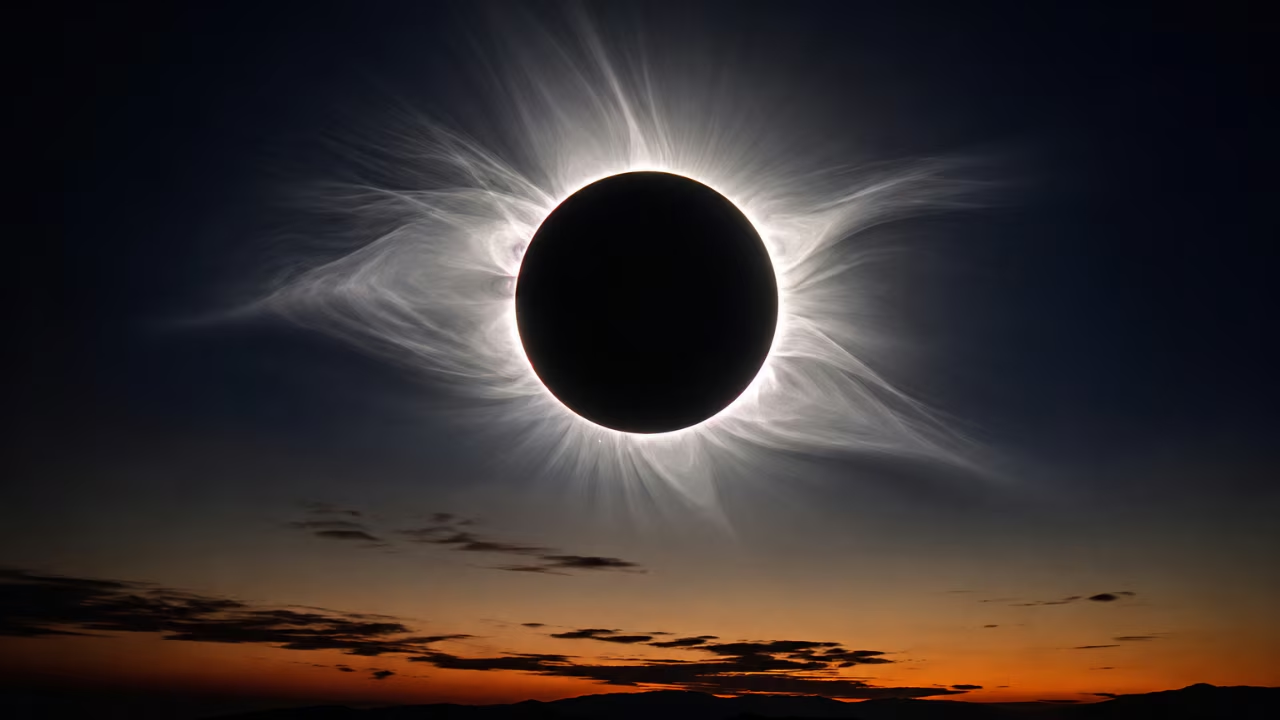
August 2, 2027 total solar eclipse details: Path of totality, 6-minute duration The next major solar eclipse on August 2, 2027, features a 6-minute totality across North Africa and a partial view from India.
Published: September 21, 2026, 4:25 PM IST
Share Article
https://www.india.com/news/india/next-solar-eclipse-on-august-2-2027-check-india-timings-visibility-city-wise-details-8528396/
Total solar eclipse- File image for representational propose
Solar eclipse: In a matter of good news for skywatchers, eclipse viewers around the world will have to wait until August 2, 2027, for the next major solar eclipseAs per the currently available data, the August eclipse will be a total solar eclipse, but the total phase will not be visible from IndiaPeople across several parts of the country, however, will be able to witness the event as a partial solar eclipseHere are all the details you need to know about August 2 solar eclipse.
When is the next solar eclipse?
The next solar eclipse will take place on August 2, 2027During a solar eclipse, the Moon passes between the Earth and the Sun, blocking some or all of the Sun’s light from reaching certain parts of Earth.
The August 2027 eclipse will be total along a path stretching across parts of southern Europe, North Africa and the Middle East, with totality visible in countries including Spain, Morocco, Algeria, Tunisia, Libya, Egypt, Saudi Arabia and Yemen.
According to NASA’s eclipse data, the maximum duration of totality will be around 6 minutes and 23 seconds.
Will the solar eclipse be visible in India?
Yes, the August 2, 2027, solar eclipse will be visible from India, but only as a partial solar eclipseIndia will not fall within the path of totality, meaning the Sun will not be completely covered by the Moon from any location in the country.
The partial eclipse will be visible across a large part of IndiaAccording to eclipse calculations, it will begin at different times depending on the locationIn New Delhi, for example, the partial eclipse will begin at around 3:53 pm IST, reach its maximum at about 4:29 pm, and end around 5:02 pmAround 8% of the Sun’s disc will be obscured at the maximum in New Delhi.
ye Safety Alert: How to View a Partial Solar Eclipse Safely
Never look directly at the Sun during a partial solar eclipse without proper protectionStandard sunglasses, camera lenses, and unfiltered optics offer zero protection against severe eye damage.
Safe Viewing Methods:
-
ISO 12312-2 Certified Glasses: Use verified solar eclipse glassesInspect lenses for scratches or tears before use.
-
Pinhole Projection: Create a tiny hole in a card, stand with your back to the Sun, and project the crescent image onto paper or the ground.
-
Camera/Telescope Filters: Equip front-end solar filters when using optical devices.