


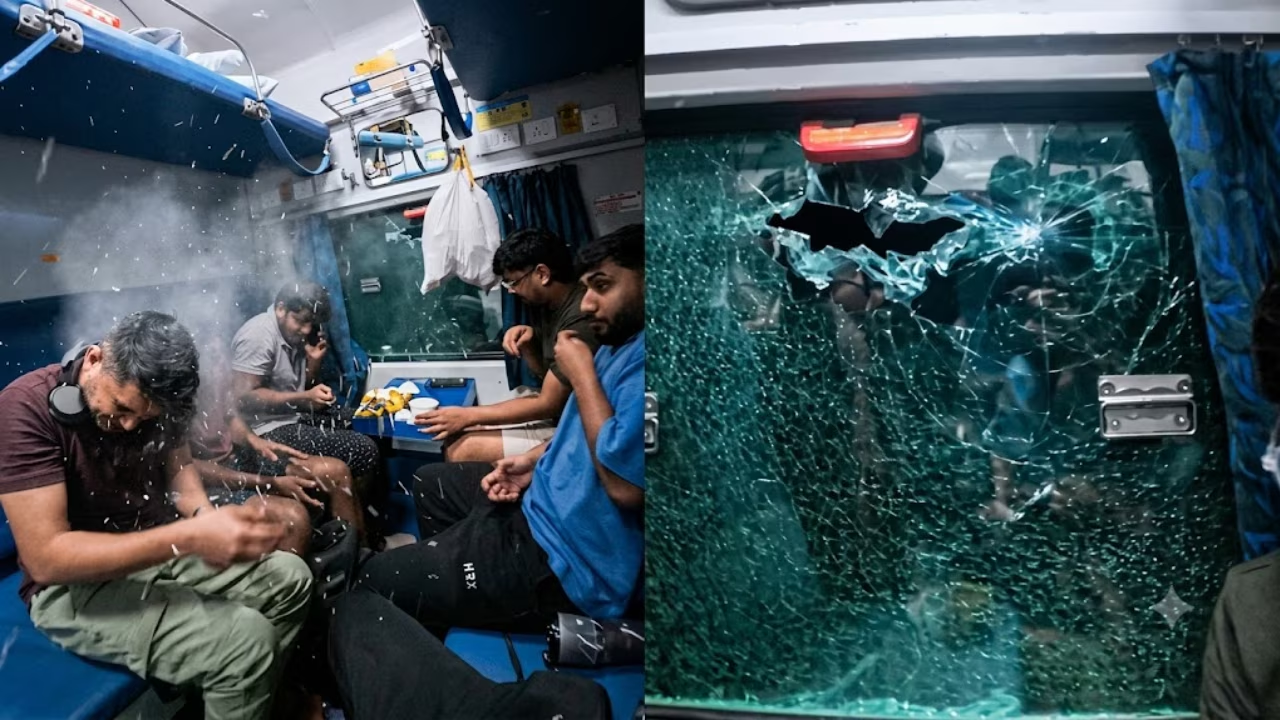
After the incident took place around 8:46 pm, RPF and GRP personnel carried out a search in the Borkhedi-Sindhi section, covering the stretch between Km 803 and Km 796.
Published: September 26, 2026, 11:19 AM IST
Share Article
https://www.india.com/news/india/nagpur-mumbai-duronto-express-attacked-with-stones-in-maharashtra-borkhedi-sindhi-section-3-coach-windows-damaged-rpf-police-launch-probe-8530185/
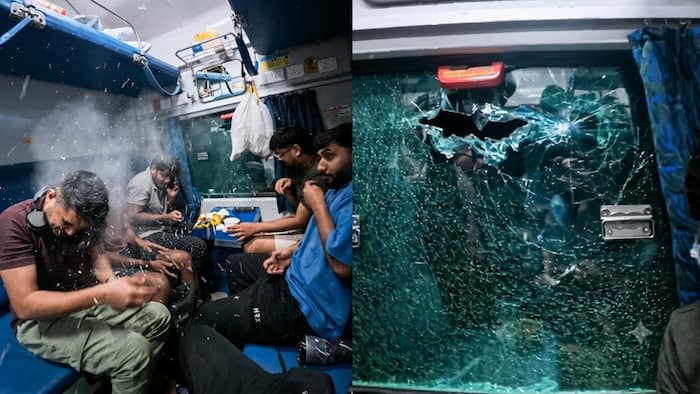
Nagpur-Mumbai Duronto Express attacked with stones in Maharashtra, 3 coach windows damaged; RPF-police launch probe (Image: Videograb @JharkhandRail)
A stone-pelting incident was reported on the Nagpur-Mumbai Duronto Express in Maharashtra on Friday night, damaging the window glass of three coachesNo passenger was injured in the incidentThe incident occurred at around 8:30 pm on September 25, shortly after Train No12290 crossed Borkhedi station on the Borkhedi-Sindhi section.
According to railway officials, a stone or another object hit the train from outside, causing cracks in the windows of coaches A-1, B-2 and B-5Officials said there were no reports of injuries or loss of belongings among passengers.
Stone Pelting on 12290 Nagpur–CSMT Duronto Express in Maharashtra!
An Instagram post claims a stone shattered a train window and injured 4 passengersFamilies with small children were reportedly sitting nearby.
The terrifying part? The person who shared the incident said… pic.twitter.com/Xj0HrfvB2J
— Jharkhand Rail Users (@JharkhandRail) September 25, 2026
Following the incident, teams from the Railway Protection Force (RPF) and Government Railway Police (GRP) searched the area near the Borkhedi-Sindhi section.
Police also checked nearby Borkhedi and Brahmani villages as part of the investigationThe local Police Patil and residents were questioned during the search.
However, officials said they did not find any suspicious person or other concrete evidence at the locationEscort staff and passengers confirmed that an object or stone had struck the train windows from outside.
Officials are now trying to identify the exact spot from where the object was thrown.
A case has been registered against an unknown person under Section 153 of the Railway ActFurther investigation is underway.