
As EV buyers weigh unfamiliar battery and technology risks, a long factory warranty can offer valuable reassuranceVinFast’s warranty and ownership package in India shows how that protection can fit into a wider EV ecosystem.
|
|
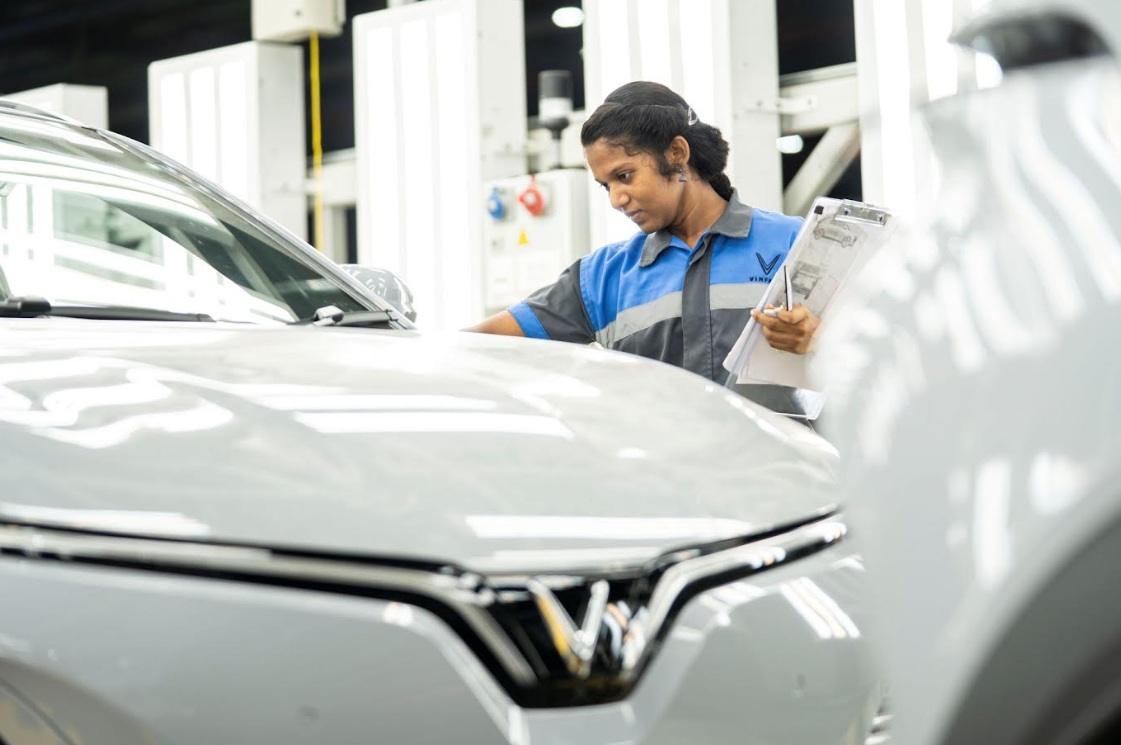
VinFast offers a battery warranty of 10 years or 200,000 km, whichever comes first
Buying a new car has always involved a small leap of faithYou hand over a fairly large cheque and, in return, get a machine containing thousands of parts that are expected to behave themselves for years.
With electric cars, there is one extra source of anxiety: some of the most expensive and unfamiliar parts of the car are also the ones buyers cannot easily inspectThat makes the warranty more important, as it can reduce the financial uncertainty around what happens if something expensive does go wrong.
A warranty can make a new technology feel less risky
Research into car buying suggests that consumers do put a value on warranty protectionOne study of the U.Sautomobile market found that buyers were willing to pay a median of about USD850 for one additional year of warranty coverageThat was around 3.1% of the median vehicle price in the studyIt also found that longer warranties mattered more when product quality was lower.
Another study, looking at more than 9,000 used-car auctions on eBay, found that cars sold with a warranty attracted an average price premium of about 11%The effect was stronger when the seller had a weaker reputation, suggesting that a warranty can give buyers some extra confidence when they have less information about the vehicle.
The logic is fairly simpleA buyer knows what they are paying today, but cannot know exactly what will happen to the car five or 10 years from nowA warranty shifts at least some of that future risk back to the manufacturer or seller.
For EVs, the battery makes this particularly relevantIn a 2024 UK study by the Green Finance Institute, 31% of consumers without an EV said a battery warranty longer than eight years would encourage them to switch to an electric carThat was close to the 34% who said price parity and the 34% who cited more charging infrastructureThe concern also shows up when people think about buying used EVsIn Strategy&’s 2024 eReadiness survey, a battery warranty, either from an OEM or a third party, was identified as a key factor encouraging consideration of a used EV by 80% of respondents in India.
There is an interesting twist here: experience appears to reduce some of these worriesPlug In America’s 2025 EV Driver Annual Survey found that 19.1% of respondents considered battery warranty a concern when they bought or leased their EVThe figure fell to 9.1% among current ownersConcerns about battery lifetime also fell, from 26.7% at purchase to 19%.
For an experienced EV owner, the technology is no longer quite so mysteriousFor someone buying their first one, a long warranty can provide some reassurance before that experience has been built.
Still, a long warranty is only useful if customers can actually make use of itFor an EV buyer, the practical questions go beyond battery lifeWhere can the car be serviced? How easy is it to charge? What will routine maintenance cost? And if something does go wrong, is there somewhere nearby to get it fixed?
This is why a warranty works better when it sits alongside other forms of ownership supportThe customer gets protection against major repair costs, while other services can reduce the smaller sources of friction that come with owning a car.
This is where VinFast’s approach in India comes in
The company offers a vehicle warranty of seven years or 160,000 km and a battery warranty of 10 years or 200,000 km, whichever comes firstThe battery coverage is particularly relevant to the concerns identified in the researchFor someone considering an EV for the first time, 10 years or 200,000 km gives a clear time and distance limit around one of the vehicle’s most expensive components.
VinFast is also pairing that coverage with other ownership measuresIts India programme includes free maintenance for three years or 36,000 km, as well as free charging at V-Green charging stations until March 31, 2029.
At the same time, the company is building out the supporting network, through partnerships with MyTVS, RoadGrid and Global Assure to work toward a planned 120 service workshops, while V-Green has announced partnerships with RoadGrid and HPCL to expand EV charging infrastructure in India.
None of this changes the basic reality of buying a new car: there is always some uncertaintyBut for EV buyers, the warranty can put a clearer boundary around part of that riskAnd that may be its biggest valueA buyer does not need to know exactly what a battery will look like 10 years from nowThey just need to know who is taking responsibility if something covered by the warranty does not go according to plan.