
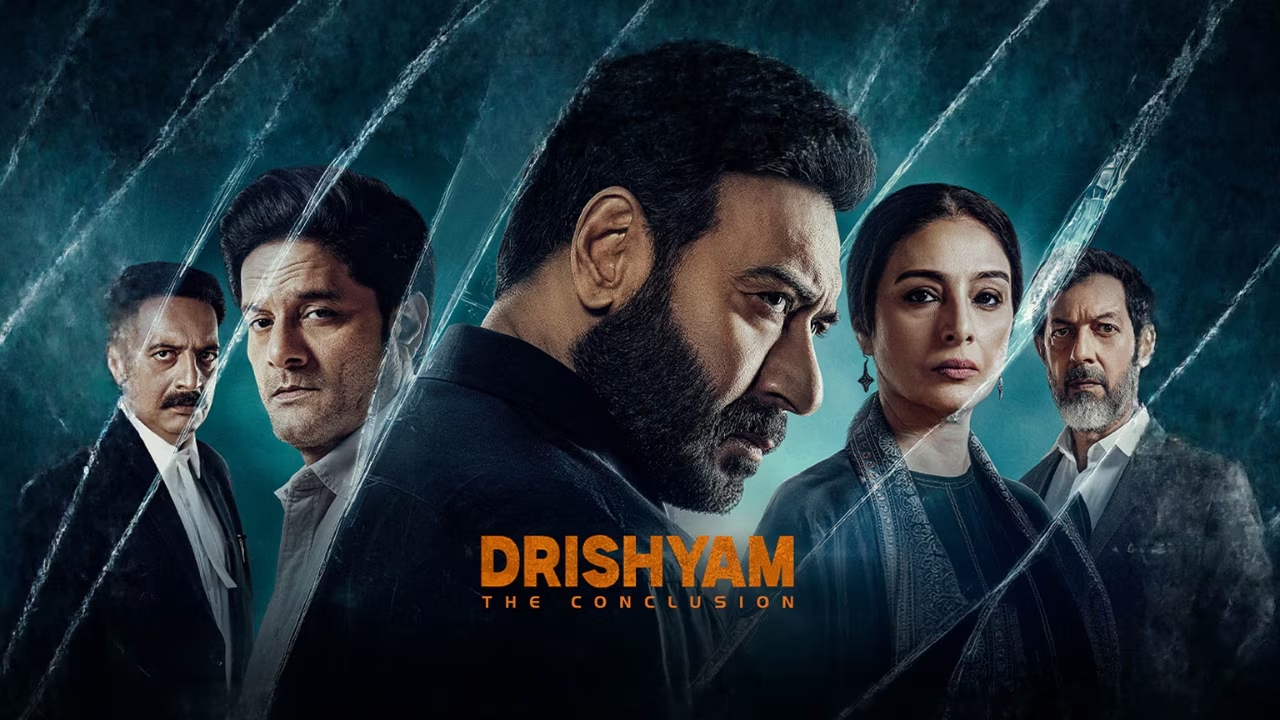
Ajay Devgn returns as Vijay Salgaonkar in the concluding chapter of the popular crime thriller series, joined by Tabu and Jaideep Ahlawat in a story packed with secrets and high-stakes drama.
Share Article
https://www.india.com/entertainment/bollywood/drishyam-the-conclusion-review-ajay-devgn-jaideep-ahlawat-tabus-crime-thriller-brings-gripping-finale-and-ultimate-twist-of-fate-8532074/
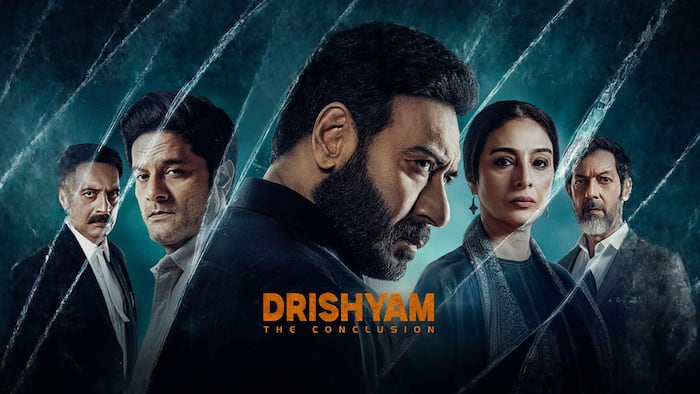
Ajay Devgn plays his most dangerous game yet in Drishyam: The Conclusion (PC: IMDb)
In just a few hours, Ajay Devgn‘s much-awaited Drishyam: The Conclusion will arrive in theatres, bringing the final chapter of the popular crime-thriller franchise to audiencesWe got an early screening of the film ahead of its grand theatrical release, and after watching the conclusion unfold, it is clear the makers understood the expectations surrounding Vijay Salgaonkar’s final chapterThe crime thriller brings back Ajay Devgn as Vijay Salgaonkar with Tabu, Rajat Kapoor, Kamlesh Sawant, Shriya Saran, Ishita Dutta and Mrunal Jadhav while introducing Jaideep Ahlawat and Prakash Raj to the final chapterThe challenge was always to create a fresh conflict after audiences had already watched Vijay outsmart the system twiceThe film takes that challenge head-on, building a new layer of suspense around the Salgaonkar family and setting the stage for a finale packed with tension, emotion and unexpected turns.
A gripping final chapter of this epic franchise
Drishyam: The Conclusion does not feel like a routine continuation made simply to extend a successful franchiseDirector Abhishek Pathak and the writing team headlined by Abhishek, Aamil Keeyan Khan and Parveez Shaikh, take the story forward while retaining the central idea that has made Vijay Salgaonkar such an intriguing character.
The Salgaonkar family are once again forced to deal with the consequences of their pastThe investigation surrounding the Deshmukh family returns to the centre of the story and this time Vijay faces people who are determined to find the truth.
What makes the setup work is that the audience already knows Vijay’s ability to plan several steps aheadThe suspense therefore does not depend only on asking what happenedIt comes from wondering what Vijay has planned this time and whether he can once again stay ahead of the people trying to expose him.
Ajay Devgn remains the soul of Drishyam
Ajay Devgn once again proves why Vijay Salgaonkar remains one of his most memorable charactersThe performance is built around restraint rather than dramatic speechesHis eyes, pauses, body language and controlled expressions do much of the work.
Vijay is constantly calculating and Devgn makes that thought process visible without explaining itEven when the character appears trapped, there is a sense that he may already have considered the situation and prepared a responseThe film gives Devgn several moments where silence becomes more powerful than dialogueHis ability to hold the screen without overplaying the character remains one of the biggest strengths of the franchise.
Jaideep Ahlawat brings a formidable new threat
Jaideep Ahlawat as SP Rajveer Singh Tomar, is an excellent addition to the Drishyam universeHis character brings a different kind of pressure into Vijay’s world and the actor plays him with authority and control.
The face-off between Ahlawat and Devgn is among the film’s biggest highlightsTheir contrasting performances create an interesting battle of mindsVijay relies on patience and calculation while Ahlawat’s character approaches the case with determination and a sharp understanding of the evidence.
Tabu adds emotional weight to the story
Tabu returns as Meera Deshmukh and once again brings emotional weight to the storyMeera’s anger, grief and determination remain central to the conflict as she continues to seek justice for her familyTabu handles these emotions without making the character unnecessarily loudHer performance gives the investigation a personal dimension and reminds audiences that the case is not merely about evidence and police procedure.
Prakash Raj as Public Prosecutor Indrajith Shetty, also makes his presence felt in the courtroom portions, bringing authority to his roleRajat Kapoor as Mahesh Deshmukh, adds dignity to his character while Shriya Saran remains effective as Nandini Salgaonkar.
Ishita Dutta and Mrunal Jadhav also contribute to the family dynamics, with their characters becoming an important part of Vijay’s carefully planned attempts to protect the Salgaonkar family and stay ahead of the traps closing in on them..
Supporting performances that truly deserve a shoutout
Kamlesh Sawant deserves a special mention for returning as Laxmikant GaitondeHis character brings some much-needed humour to the otherwise tense proceedings, especially with his visible frustration over Vijay always managing to stay one step aheadGaitonde almost seems eager to see Vijay finally lose this time, making his reactions even more amusing.
His comic timing and expressions work beautifully, especially in moments like his hilarious complaint, “Ek tune aur meri biwi ne mera jeena mushkil kar diya hai,” which adds a fun touch to his equation with Vijay and gives the audience a much-needed laugh amid all the tension.
Ajeet Singh as Raghu and Ramchandra Singh as Savio also deserve a special mentionBoth actors make their respective characters noticeable and add texture to the supporting portions of the story.
The marriage proposal scene is brilliantly tense
One of the film’s most memorable sequences comes when a marriage proposal arrives for Vijay’s daughterWhat initially appears to be a simple family interaction gradually turns into an extremely tense sequenceThe suspense comes from the expressions, pauses and the possibility that something could go wrong at any moment.
It is the kind of scene that shows how effectively the franchise can create tension without relying on actionThe sequence can easily rank among the film’s most memorable moments because the situation feels ordinary on the surface but carries an underlying sense of danger.
The screenplay keeps the mystery alive
The writing by Abhishek, Aamil and Parveez understands that the biggest attraction of the franchise is Vijay’s mindThe audience already knows that Vijay is capable of planning several moves aheadTherefore, the film has to make viewers question whether his previous methods will work again.
The screenplay does this by introducing new pressure points and placing the Salgaonkar family in situations where even small mistakes could have serious consequencesThe courtroom portions add another layer to the narrative as evidence and legal strategy become increasingly importantThe story is not simply about finding the truth but about whether that truth can actually be established.
The climax delivers the biggest payoff
Without revealing the major twists, the climax is where Drishyam: The Conclusion truly comes into its ownThe final act brings together the investigation, courtroom drama and Vijay’s carefully constructed plansSeveral details introduced earlier begin to gain greater significance as the story moves towards its conclusion.
What works particularly well is the way the film builds towards its final revealThe setup and tense moments are stronger than one would expect from a third instalment, especially considering that audiences have already experienced the twists of the first two filmsThe climax has enough surprise to stand on its own and delivers the kind of payoff expected from a final chapterIt is gripping, tense and gives the story a genuine sense of closure.
Amar Mohile’s background score elevates the suspense
The film does not need traditional songs as the story itself keeps the audience hookedThe music by Ravi Basrur, Rochak Kohli and Karma adds to the overall experience, with songs like Vingansa, Daastaan – The Drishyam Recap during the start and Game Over adding variety to the soundtrack.
However, it is Amar Mohile‘s background score that truly stands outIt fits well with the scenes, builds suspense during the investigation and makes the confrontations feel more intenseEven in quieter moments, the score keeps the tension alive and adds to the mood of the film.
Abhishek Pathak understands the franchise DNA
Abhishek Pathak, who also directed Drishyam 2, understands what makes this franchise workHe does not turn the concluding chapter into a conventional action-heavy thrillerThe focus remains on psychology, evidence, family and the battle between Vijay’s carefully planned moves and those trying to expose him.
The film also manages to establish its own identity instead of simply recreating the events or formula of the Malayalam franchiseIt feels designed as a Hindi conclusion to the journey that began with Vijay Salgaonkar and his familyThere are a few portions where the pace becomes measured but the overall narrative remains engagingPathak also gives the climax enough room to develop rather than rushing towards the final reveal.
Final verdict for Drishyam The Conclusion
For audiences and cinephiles, Drishyam: The Conclusion delivers a gripping finale that lives up to the expectations around this much-loved franchiseAjay Devgn remains the biggest draw as Vijay Salgaonkar while Jaideep Ahlawat adds a fresh edge to the conflict and Tabu brings emotional depth.
The tense marriage-proposal scene, Amar Mohile’s background score and the twist-filled climax give fans plenty to take awayFor a crime-thriller franchise built on suspense, clever planning and unexpected turns, the film stands out as a strong addition to Indian cinema’s crime-thriller spaceIt may be the final chapter but leaves behind a satisfying Drishyam experience that fans and cinephiles can enjoy on the big screen.