Due to this, vendors are being forced to rely on 14-kg domestic gas cylinders to continue their operations, the prices of which have risen to between Rs 2,000 and Rs 5,000.
New Delhi: In a major development, the government-owned oil companies (Oil PSUs) increased the prices of commercial LPG cylinders sharply last Friday. Following this development, the licensed vendors selling food items such as poori-sabzi and other eatables at railway platform stalls, food trolleys, and trays have expressed concern. According to them, the rates for running food stalls on railway platforms were fixed back in 2012, and since then inflation has risen significantly. In this situation, they have requested the Rail Ministry to revise the rates.
The All India Railway Catering Licensees Welfare Association has asked the Rail Ministry to provide immediate relief to license holders operating food stalls, trolleys, trays, dhabas, and other vending units at railway platforms. The association represents licensed vendors across the country.
It also pointed out that, starting today, the price of commercial gas cylinders has increased by nearly Rs 1,000 in a single day across the country. This has created serious difficulties for vendors.
Appeal made to the Railway Minister
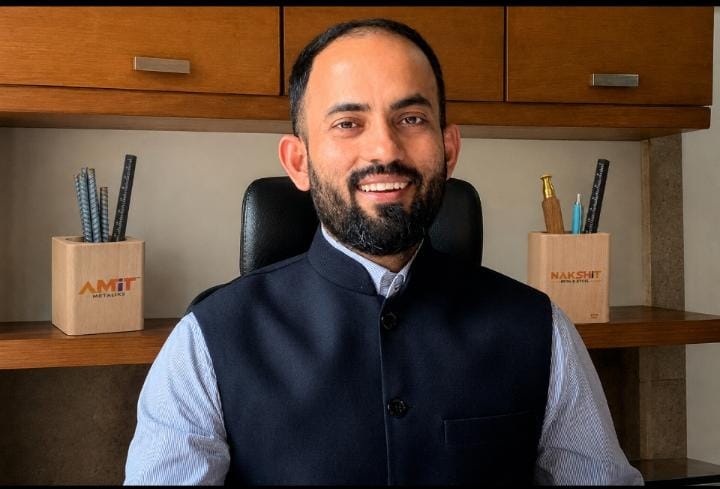
In a written appeal to Railway Minister Ashwini Vaishnaw, association president Ravinder Gupta urged immediate intervention. Gupta said that India has also been affected by the global energy crisis. As a result, the government has stopped the supply of commercial LPG cylinders from March 1, 2026.
Due to this, vendors are being forced to rely on 14-kg domestic gas cylinders to continue their operations, the prices of which have risen to between Rs 2,000 and Rs 5,000. Therefore, they have demanded an immediate increase in the prices of food items sold on railway platforms.
Rates fixed in 2012
The rate list for licensed vendors operating on railway platforms was last revised in 2012, he told The NavBharata Times. Since then, inflation has increased many times over, but the railways have not revised the rates.
Citing an example, he said that tea sold on railway platforms is still priced at Rs 5 per cup. He questioned whether it is possible to sell tea at such a low price—especially after paying license fees and various taxes. Notably, around 40% of these vendors’ sales come from bottled water and tea alone.
Here are some of the key details:
- Railway-licensed vendors also stated that they are burdened with multiple charges, including 18% GST, 5 percent GST on sales, 12 percent license fee, 10–15 percent vendor commission, and an additional 5–10 percent in other taxes.
- Nearly 50 percent of their earnings go toward taxes and fees.
- After paying all of this, their actual profit remains around just 30%.
- According to the association, about 20–30% of dhabas, restaurants, and hotels across the country have already shut down due to this financial crisis.
- Many license holders have even applied to surrender 20% to 50% of their units
- They reportedly continue to face heavy losses and have not yet recovered from the financial impact of the COVID-19 pandemic.
Demand for relief in license fees
The letter also mentioned that it may take around three years for LPG supply in India to return to normal levels. In such a situation, the association has urged the railway administration to provide relief in license fees, similar to the pandemic period, and to increase the selling prices of tea and other food items.