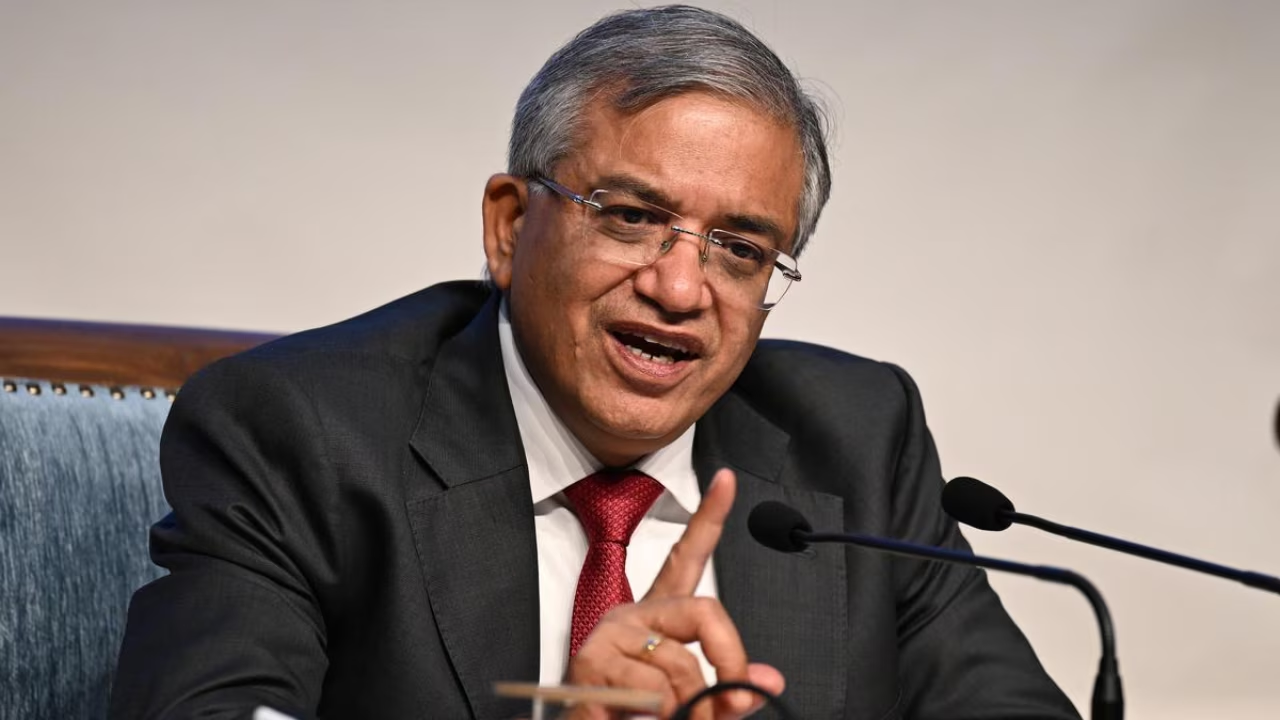

“This is literally off the monitoring charts that we have used for the past four decades,” WMO Secretary-General Celeste Saulo said on Wednesday, calling for urgent action to protect vulnerable communities.
Share Article
https://www.india.com/news/india/el-ninos-double-whammy-after-heatwaves-and-rainfall-winter-under-threat-alert-issued-for-several-countries-including-india-8537929/
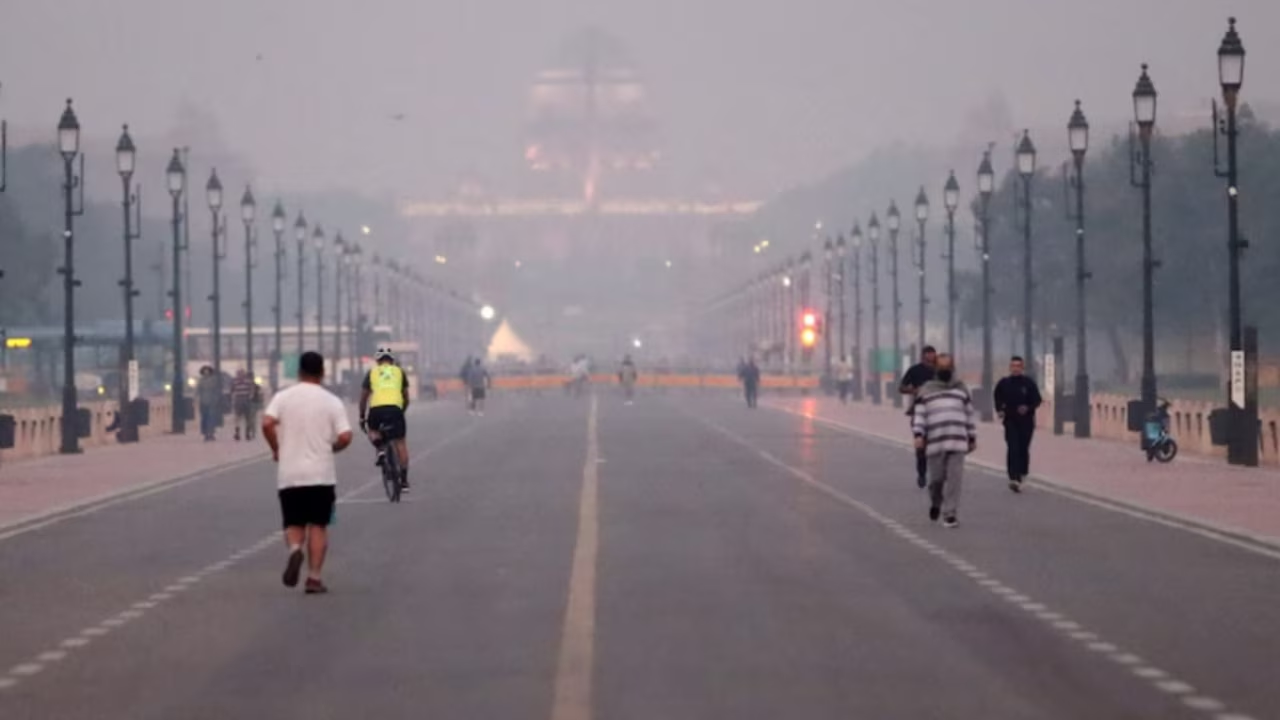
Image for representational purposes
New Delhi: Amid rapid changes in the global weather conditions, El Niño has put the globe on alertFor India, this weather phenomenon is emerging as a double challengeAfter monsoon rainfall was 13 per cent below normal, all eyes are now on whether El Niño will raise temperatures during winter, disrupt rainfall patterns and increase pressure on agriculture.
From devastating forest fires raging in Indonesia to unusually high storm activity over the Pacific Ocean, the effects of El Niño are being felt in almost every corner of the world.
What Is El Niño?
El Niño is a natural climate pattern marked by the warming of sea-surface temperatures in the central and eastern tropical Pacific OceanIt happens every two to seven years, weakens the usual easterly trade winds, and disrupts global weather, bringing heavy rain to parts of the Americas and droughts to Asia and Australia.
Here are some of the key details:
- El Niño has been strengthening steadily for several months, as per a report by the World Meteorological Organization (WMO).
- The organisation has warned that the phenomenon could intensify further by the end of 2026
- This unusual weather pattern has significantly increased the risk of extreme temperatures, erratic rainfall and other natural disasters across different parts of the world in the coming months.
- For India, the biggest concern is whether a strengthening El Niño will further aggravate the impact of deficient monsoon rainfall.
- It could affect winter temperatures, rainfall patterns and agricultural conditions in the coming months.
How Does El Niño Affect India’s Weather?
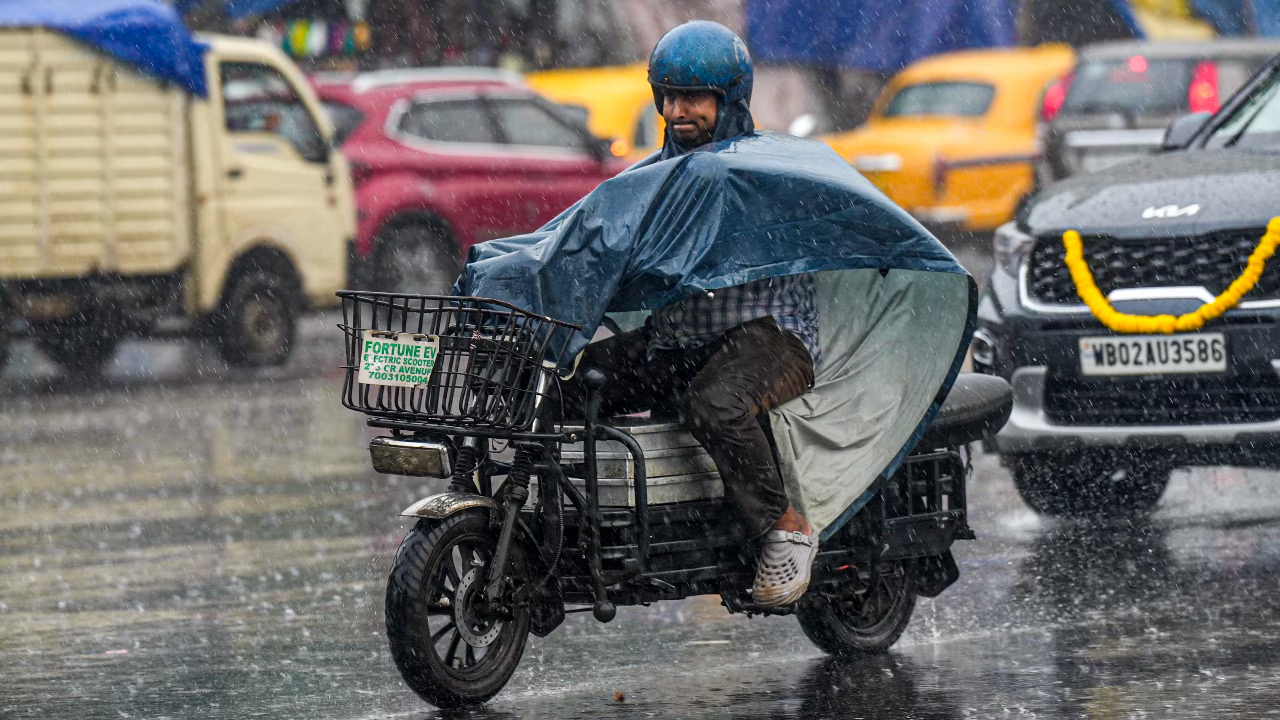
In India, the El Niño is closely monitored because it generally raises the risk of below-normal rainfall during the southwest monsoonAs temperatures in the Pacific Ocean rise, global wind patterns and atmospheric circulation changeThese changes weaken the weather conditions that support the Indian monsoon, increasing the likelihood of prolonged dry spells and rainfall deficits.
Winter Temperatures Likely to Rise
Citing the South Asian Climate Outlook Forum, the World Meteorological Organization (WMO) has forecast that maximum and minimum temperatures across most parts of South Asia could remain normal or above normal during October–December 2026.
Rising temperatures towards the end of winter could threaten wheat production, particularly if the heat coincides with the grain-filling stageHowever, the actual impact will depend on weather conditions during that periodWeather patterns in January and February will also depend on changing climatic factors, including Western Disturbances.
What Lies Ahead for India?
In the coming months, the growing impact of El Niño could pose a major challenge to India’s water resources, agricultural output and food securityThe government and agricultural departments will need to focus on issuing timely advisories for farmers, promoting less water-intensive crops and ensuring the efficient management of water stored in reservoirsThese measures will be crucial to mitigating the potential impact on agricultural production and preventing a possible food crisis.