

H-1B visas have been affected and may witness a 30 per cent to 50 per cent decline in their registrations in FY2027. Many state that it is due to changes in the visa filing process, including a change in the lottery system. Experts believe that even with the low registrations, there is no need for a second round of cap

Published: March 26, 2026 1:45 PM IST
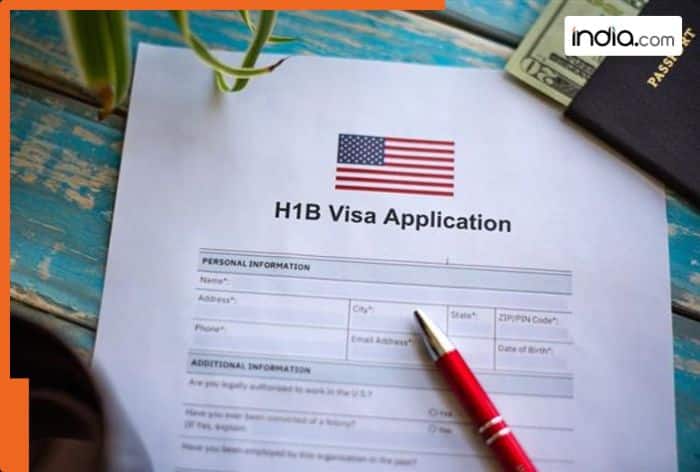
Has there been a fall in H-1B visa registrations?
The number of filings for visa registration has declined sharply in the Financial Year 2027. The initial registration period for the fiscal year opened from March 4, 2026, and closed on March 19, 2026.Add India.com as a Preferred Source
According to an Economic Times report, Shilpa Malik, the managing attorney at VisaNation Law Group, stated in an interview that there has been a fall of about 50 per cent compared to last year, while other lawyers estimated the drop at around 30 per cent.
This time, employers focused on higher-paying job applications to maximise their chances of getting selected in the H-1B process.
Who may gain from the revised system?
The revised system appears to be benefiting a different set of applicants and employers. Those holding a Master’s degree in the United States are expected to gain the most, along with mid-sized companies that are willing to give higher salaries for specialised roles. Meanwhile, smaller firms that earlier struggled against bulk applications from large outsourcing companies are also likely to see improved chances. “Previously, these companies were often discouraged by the diluted odds created by large outsourcing firms. Now that the playing field is level, they feel they have a legitimate, fair shot at securing talent,” Malik was quoted as saying by ET. She further added that Master’s holders from the US are likely to benefit due to the Master’s cap and shift towards higher-skilled and better-paid roles.What to expect in the future?
While many fear a second cap, experts believe that the second cap round is unlikely. The term “second cap” refers to a second filing window opened by the USCIS in the same year if the H-1B quota is not met. As per Firstpost, the founder and CEO of Boundless Immigration, Xiao Wang, said that even if the overall selection numbers are likely to be lower, there would be no need for a second round of selection this year. “What will drive the need for a second round would be any additional changes in immigration rules or world events that could reduce employers’ appetite to file an application,” he said, as quoted by ET. Every year, the US issues 85,000 H-1B visas under its annual cap, including 65,000 for speciality occupations and another 20,000 reserved for applications with a US master’s degree or higher. In FY2026, the USCIS received 336,153 eligible registrations. Selected applicants for FY2027 are expected to be notified by March 31, 2026, through USCIS online accounts.Source link

Leave a Reply