
PM Modi congratulated ISRO scientists after the successful launch of the GSLV-F18 rocket carrying the NVS-03 navigation satelliteThe mission will strengthen India’s homegrown NavIC system, improve navigation services.
Share Article
https://www.india.com/news/india/pm-modi-hails-isro-scientists-after-successful-nvs-03-launch-says-mission-will-boost-our-pursuit-of-self-reliance-gslv-f18-rocket-8540961/
(Image: PTI)
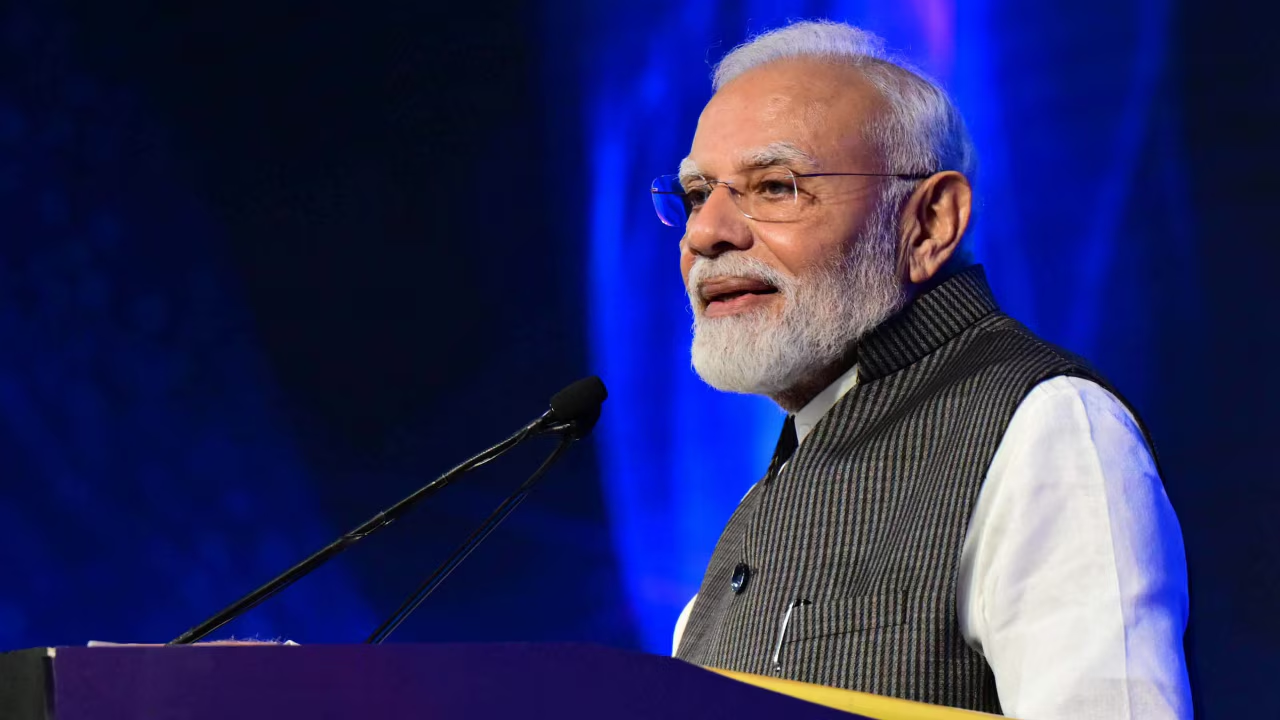
Prime Minister Narendra Modi on Saturday congratulated scientists and engineers of the Indian Space Research Organisation (ISRO) after the successful launch of the GSLV-F18 rocket carrying the NVS-03 navigation satelliteHe said the mission would strengthen India’s homegrown satellite navigation system, NavIC, and help the country become more self-reliant in important technologies.
In a post on social media platform X, Modi praised the efforts of ISRO scientists and said the new satellite would improve navigation services for people across the country.
He said the launch was an important step towards strengthening NavIC and added that the dedication and hard work of India’s space scientists continued to make the country proud.
Congratulations to our scientists and engineers at ISRO on the successful launch of GSLV-F18 carrying NVS-03.
This mission marks an important step in strengthening NavIC, our indigenous satellite navigation systemEquipped with enhanced capabilities, NVS-03 will further our pursuit of self-reliance in critical technologies and support navigation services that benefit our people.
The dedication and ingenuity of our space scientists continue to make our nation proud.
@isro
— Narendra Modi (@narendramodi) October 31, 2026
ISRO successfully launches NVS-03 satellite
ISRO launched the GSLV-F18 rocket from the Second Launch Pad at the Satish Dhawan Space Centre in Sriharikota, Andhra Pradesh, at 11:51 pm on Friday, October 30.
The rocket carried the 2,232-kg NVS-03 satellite and placed it into its planned Geosynchronous Transfer Orbit (GTO) around 18 minutes after take-off.
ISRO Chairman Dr V Narayanan announced the successful completion of the mission and congratulated the scientists, engineers, industry partners and other teams involved in the launch.
The mission was the 20th flight of India’s Geosynchronous Satellite Launch Vehicle (GSLV).
How will NVS-03 improve India’s NavIC system?
NVS-03 is the third satellite in ISRO’s second-generation navigation satellite seriesIt has been developed to improve the availability and reliability of navigation services provided through NavIC, India’s independent satellite navigation system.
The satellite carries an indigenously developed atomic clock along with other procured atomic clocksIt also adds the L1 navigation signal to the existing L5 and S-band signals.
The additional L1 signal is expected to improve compatibility with navigation systems used by civilian devices, including smartphonesThe new atomic clock will also support accurate timekeeping, which is important for navigation and positioning services.
What is NavIC and how does it work?
NavIC, or Navigation with Indian Constellation, is India’s own satellite-based navigation systemIt was earlier known as the Indian Regional Navigation Satellite System (IRNSS).
The system provides position, navigation and timing services across India and an area extending around 1,500 km beyond the country’s borders.
It can support several applications, including vehicle and fleet tracking, navigation for ships, disaster management, location-based services and timing-related systems.
NavIC is similar in purpose to the US Global Positioning System (GPS), but it is designed mainly to serve India and the surrounding region.
NVS-03 launch restores NavIC’s minimum operational strength
The launch is important because it has restored NavIC to its minimum operational configuration of four satellites, according to ISRO Chairman V Narayanan.
The satellite will first undergo further orbital manoeuvres before reaching its designated position in spaceOnce operational, it will help improve the continuity of India’s navigation services.
ISRO plans to launch five second-generation navigation satellites, from NVS-01 to NVS-05, to strengthen the existing NavIC network and improve its reliability.
The successful GSLV-F18 mission is therefore another step towards building a stronger and more independent navigation system for India.