

On Friday, 27 March 2026, the government announced a reduction of Rs 10 per liter in the excise duty on both petrol and diesel.

Published: March 27, 2026 11:24 PM IST
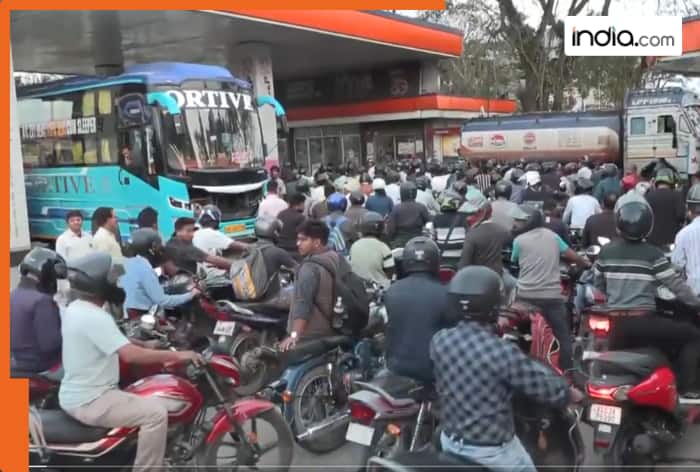
How Did the Government Manage to Keep Prices Under Control?
The Central Government has maintained a buffer stock sufficient for 60 days. This reserve comprises both the nation’s Strategic Petroleum Reserves and the stocks held by the Oil Marketing Companies (OMCs). Over the past few years, the Indian government has been consistently increasing its procurement of crude oil from Russia at concessional rates. This strategy has enabled oil companies to keep their operational costs low and generate additional profit margins. India has also launched ‘Operation Urja Suraksha’, a strategic naval mission. The objective of this mission is to safeguard the country’s critical energy supply lines that traverse the conflict-ridden waters of the Middle East.Add India.com as a Preferred Source
The Strategy of Oil Companies Paid Off
Oil marketing companies have been working strategically to tackle rising prices as they have refrained from immediately passing on the burden of price hikes to consumers. The companies have utilized the margins built up during periods of lower crude oil prices to offset the increased costs incurred during sudden price surges.Global Rise in Petrol and Diesel Prices
Minister of Petroleum and Natural Gas, Hardeep Singh Puri, stated that international crude oil prices have witnessed a massive surge over the past month. They have risen from $70 per barrel to approximately $122 per barrel. Consequently, petrol and diesel prices have increased across the globe. In the context of India, Puri noted that the government has decided to absorb the financial impact of rising fuel costs itself, rather than shifting the entire burden onto consumers.Source link

Leave a Reply