

According to industry data, Russia exported approximately 5 million metric tons of petrol last year—equivalent to roughly 117,000 barrels per day.

Published: March 28, 2026 3:25 PM IST
Which Countries Will Be Most Affected?
Novak stated that the ongoing conflict between Israel and Iran in the Middle East has heightened volatility in the global oil and petroleum production markets. This has led to price fluctuations. Russia exports between 120,000 and 170,000 barrels of petrol daily. This decision is likely to impact China, Turkey, Brazil, African nations, and Singapore. These countries are major buyers of Russian petroleum products. The impact on India will be minimal, as it imports crude oil rather than refined petrol.Petrol Export Bans Have Been Imposed Previously
Minister Novak stated during the meeting that there are adequate stocks of petrol and diesel, and refineries are operating at full capacity. Oil companies affirmed that sufficient stocks of petrol and diesel are available and that refineries are operating at—or even exceeding—full capacity, thereby meeting current demand.Add India.com as a Preferred Source
Russia has previously imposed bans on petrol and diesel exports to regulate prices and ensure domestic supply. A similar measure was implemented last year when refinery operations were disrupted by attacks from Ukraine.
Meeting Held In Moscow
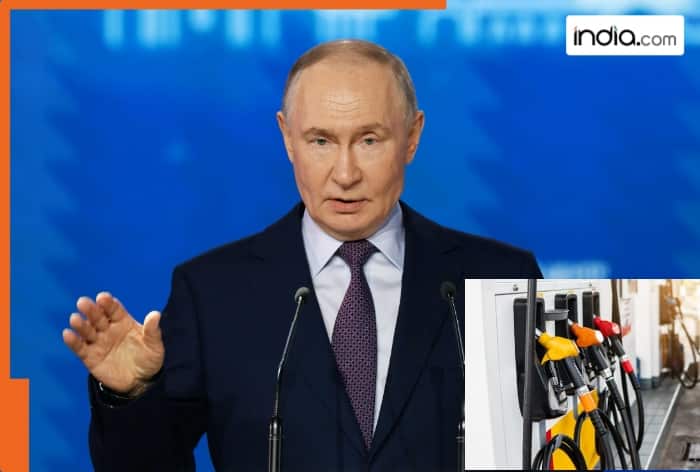
A meeting regarding the ban on petrol exports was held in Moscow on Friday. During the meeting, particular emphasis was placed on President Putin’s desire to keep fuel prices under control. According to industry data, Russia exported approximately 5 million metric tons of petrol last year—equivalent to roughly 117,000 barrels per day. Just a day earlier, Novak had stated that Russia could once again restrict oil exports if the need arose. He also noted that Russia’s Urals crude and other petroleum products are currently trading at prices on par with—or even higher than—Brent crude.Source link

Leave a Reply