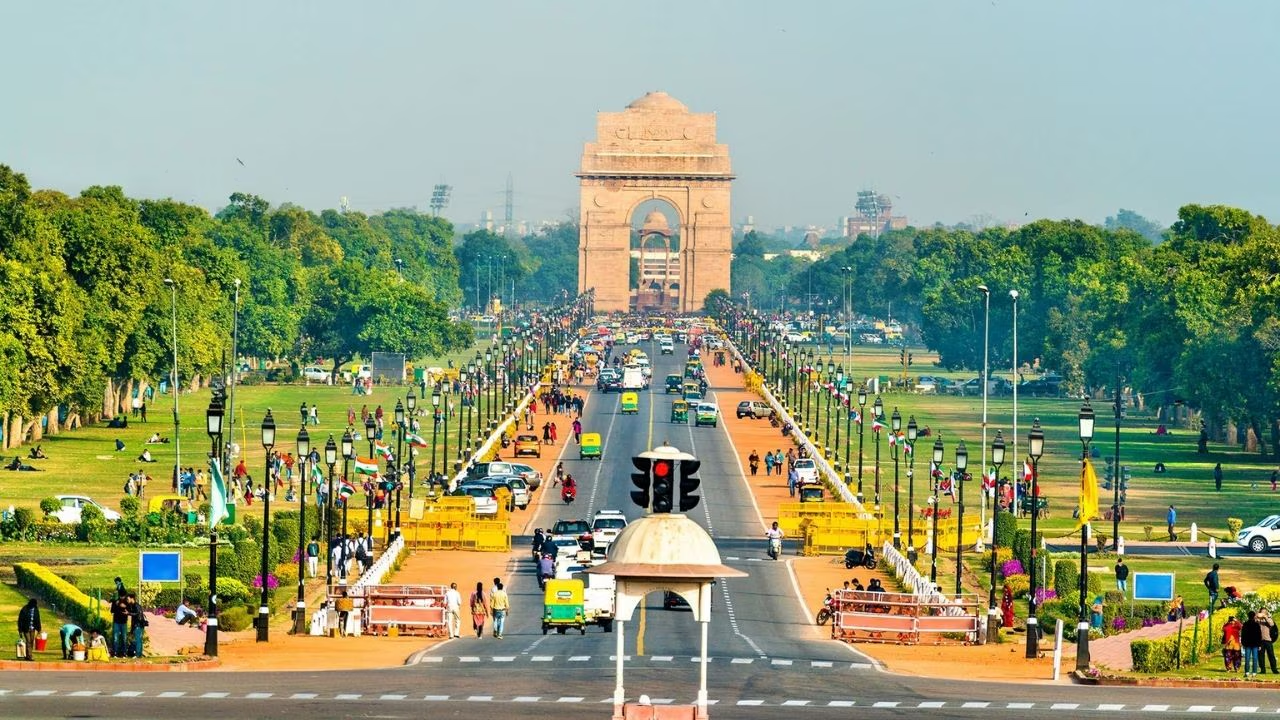

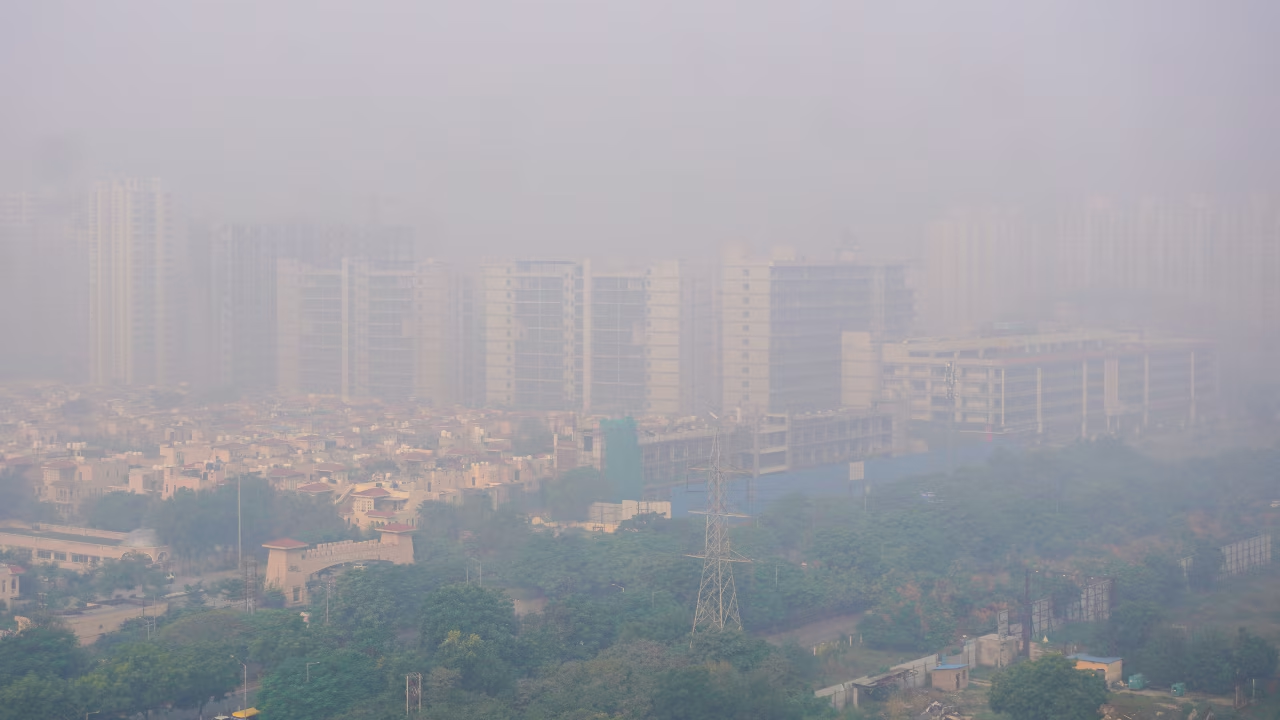
Delhi’s air quality worsened ahead of Diwali, with the average AQI reaching 324 and three areas recording levels above 400With GRAP-II measures in force and no immediate relief expected from the weather, pollution levels remain a major concern in the national capital.
Share Article
https://www.india.com/news/india/delhi-air-quality-november-3-worsens-ahead-of-diwali-aqi-crosses-400-in-multiple-areas-as-grap-ii-curbs-take-effect-delhi-morning-haze-likely-for-next-2-days-latest-imd-weather-update-8541686/
Delhi Air quality worsens ahead of Diwali, AQI crosses 400 in multiple areas as GRAP-II curbs take effect (Image: PTI)
Delhi’s air pollution has worsened ahead of Diwali, with the city’s average Air Quality Index (AQI) reaching 324 on MondayPollution levels crossed the 400 mark in several parts of the national capital, raising fresh concerns about the city’s air quality as the festival approachesAccording to the Central Pollution Control Board (CPCB), Delhi recorded its first ‘very poor’ air quality reading of the season on MondayThree monitoring stations reported AQI levels above 400, placing them in the ‘severe’ categoryThe city’s average AQI was the highest since February 4, when it stood at 339.
Jahangirpuri recorded the worst air quality among the monitored locations, with an AQI of 436 at 4 pmRohini followed with 415, while Punjabi Bagh recorded 413Delhi’s average AQI was 312 at 9 am before rising to 324 by the evening.
Fine particulate matter, known as PM2.5, was identified as the main pollutant in the city’s airThese tiny particles can enter deep into the lungs and pose health risks, particularly for children, older people and those with breathing problems.
GRAP-II measures in place as pollution rises
With air quality deteriorating across Delhi-NCR, Stage II measures under the Graded Response Action Plan (GRAP) have been brought into forceThe restrictions are aimed at preventing pollution from rising further and reducing emissions from different sources.
The measures include increasing the frequency of road cleaning and water sprinkling, strengthening dust control at construction sites, managing traffic congestion and ensuring the proper use of public transportAuthorities are also required to enforce pollution-control rules for industries and other sources of emissions.
Residents have been advised to limit unnecessary exposure to polluted air, especially during periods when pollution levels are highThe impact of the restrictions will depend on how effectively they are implemented, along with changes in weather conditions.
Delhi weather forecast: No immediate relief expected
The India Meteorological Department (IMD) has forecast mainly clear skies in Delhi, with mist likely during the morning hours on November 3 and 4The maximum temperature is expected to remain around 29 degrees Celsius on Tuesday and 28 degrees Celsius on WednesdayMinimum temperatures are likely to range between 15 and 16 degrees Celsius.
There is no rain forecast for the next few days, which means the capital may not get immediate relief from the rising pollution levelsThe air quality forecasting system run by the Indian Institute of Tropical Meteorology has also warned that Delhi’s AQI could remain in the ‘very poor’ category from November 3 to November 5.
The sharp rise in pollution comes just days before Diwali, when firecracker emissions can add to the existing pollution loadHowever, weather conditions, vehicle emissions, road dust and other sources also play a role in the city’s air quality.
Why has GRAP-II been implemented?
The Commission for Air Quality Management (CAQM) invoked Stage II of the Graded Response Action Plan across Delhi-NCR on Monday after the city’s AQI rose from 117 on October 31 to 261 on November 1 and 324 on November 2The commission said unfavourable weather conditions had contributed to the deterioration and that pollution was likely to remain high in the coming days.
Under GRAP-II, authorities must step up road cleaning and water sprinkling to control dust, improve public transport services and take steps to reduce traffic congestionRestrictions on the use of diesel generator sets and other pollution-control measures are also part of the planThe aim is to stop air quality from deteriorating further as winter approaches.