
Nitesh Tiwari’s Ramayana is set to unfold across two films, but is the decision driven by the epic’s vast narrative or a larger cinematic vision? We explore whether the two-part format does justice to India’s greatest epic and offers a compelling cinematic experience to the audience
Published: November 6, 2026, 1:08 PM IST
Share Article
https://www.india.com/entertainment/bollywood/ramayana-is-splitting-indias-greatest-epic-into-two-films-a-storytelling-necessity-or-a-franchise-gamble-8542673/
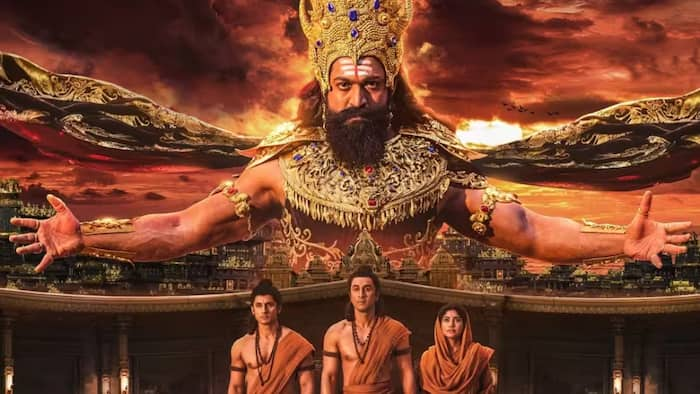
Ramayana (PC: Instagram)
There are stories that can be told in two hours, and then there are stories that have lived through generations, passed down through books, performances, television, and conversationsThe Ramayana belongs to the second categoryIt is an epic filled with journeys, relationships, difficult choices, loyalty, betrayal, and battles that have shaped how millions understand good and evilSo, when filmmaker Nitesh Tiwari decided to bring it to the big screen across two films, the decision naturally invited curiosityCould one film ever be enough to capture its scale? Or has Indian cinema become so focused on building franchises that even a timeless story needs to be divided into chapters? With the first part now released, the question feels more relevant.
Ramayana in two parts: Does the epic need more storytelling space?
Director Nitesh Tiwari has maintained that the decision to split Ramayana was driven by the story itselfDuring the film’s promotional campaign at San Diego Comic-Con, he explained that the epic could not be told effectively in a single filmHe also revealed that Part 1 ends at a dramatic point, which he described as a cliffhanger, leaving audiences wanting to watch the next chapter.
It is not difficult to understand this argumentThe Ramayana is not simply a story about Ram and RavanIt explores the lives and choices of several characters, each with their own place in the larger narrativeRama’s exile, Sita’s journey, Lakshman’s loyalty, Hanuman’s devotion, and Ravana’s ambition are all significant parts of the epic
Trying to fit every important moment of Ramayana into one film could mean rushing through relationships and emotional developmentsProducer Namit Malhota told E! News, “We want to take a little bit more time to make sure that when we present the grand finale that we have a little bit more time to do the same thing that we did on part oneWe didn’t want to do a rush job or get ahead of ourselves and we wanted to make sure that we delivered the finale in as much grandeur as it deserves.”
A two-part format gives the filmmakers more time to establish the world, introduce characters, give justice to its title, set standards in cinema, break records, and moreAfter all, spectacle alone cannot carry a story of this scaleThe emotional journey needs just as much attention
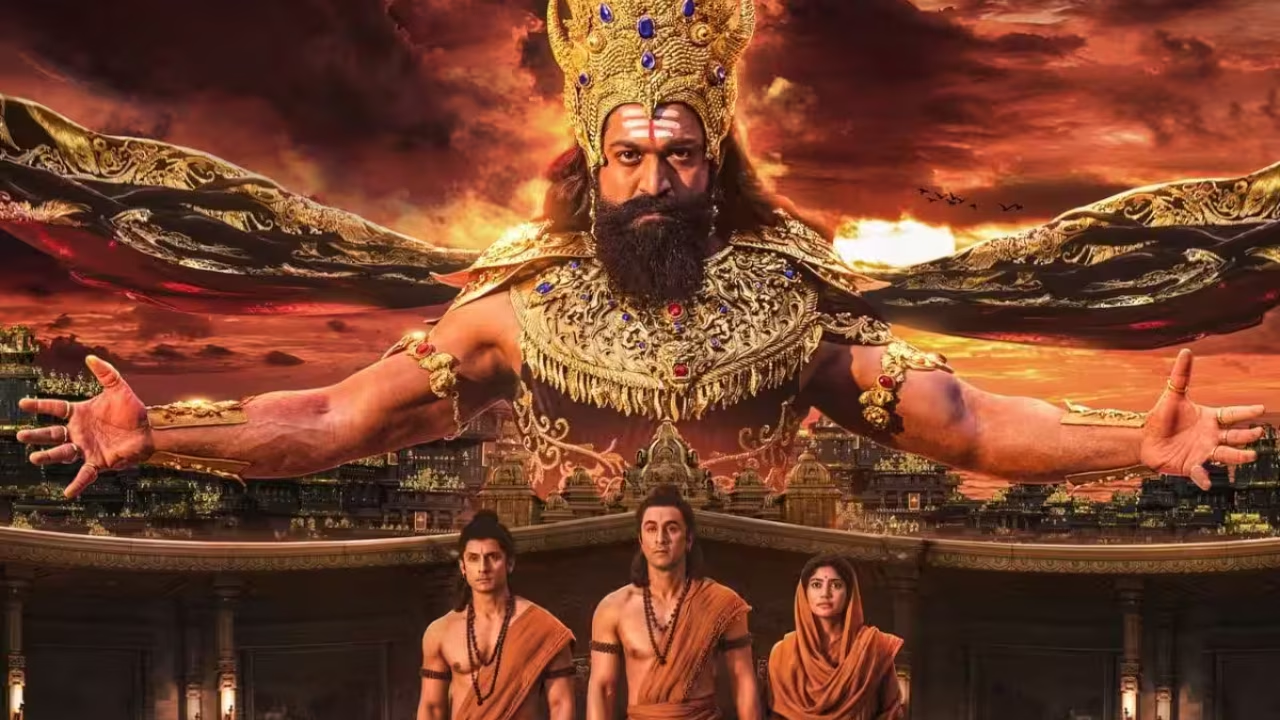
Nitesh Tiwari’s Ramayana stars Ranbir Kapoor, Yash, Sai Pallavi, Ravi Dubey, Sunny Deol, Anupam Kher, Kajal Aggarwal, Rakul Preet Singh, Vivek Oberoi, Arun Govil, Indira Krishnan, Kunal Kapoor, Adinath Kothare, and Lara Dutta in the main roles.
Is Ramayana becoming bigger than two films?
While the storytelling argument makes sense, the larger plans surrounding the project raise another questionIs Ramayana being presented as a two-film adaptation, or is it the beginning of a much bigger entertainment property?
Producer Namit Malhotra has spoken about the possibility of expanding the project into a trilogy, depending on how audiences respond to the first filmHe has also discussed a wider universe that could include spin-offs, animation, games, merchandise and other experiences inspired by Indian mythology.
There is nothing automatically wrong with exploring these possibilitiesThe Ramayana has a vast world, with characters and stories that could each support their own adaptationsHowever, there is a difference between expanding a story because it has more to offer and extending it simply because a successful film creates commercial opportunities.
Ramayana Part 2 release delay adds another layer to the debate
Ramayana release schedule has also become part of the conversationWhile the second part of Ramayana was initially planned for 2027, Malhotra has confirmed that it has been pushed to Diwali 2028He said the additional time would help the team deliver the concluding chapter on the scale it deserves, rather than rush the production.
#Ramayana2 confirmed for #Diwali2028
We are taking extra time to create the Grandest Cinematic experience, says #NamitMalhotra
“That extra year is what I genuinely believe we need to do justice for a film of this sizeWe didn’t want to do a rush job or get ahead of ourselvesWe want to deliver the finale in the most grand way that it deserves.”
— $@M (@SAMTHEBESTEST_) November 5, 2026
For a project involving extensive visual effects and a large cinematic world, taking extra time may be a sensible decisionBut a longer gap between instalments also puts pressure on the filmmakers to keep audiences investedThe first film must leave viewers interested in what comes next, while the sequel must justify the wait.
The makers are working with a story that audiences already knowThat makes the challenge even greater: the film cannot rely only on the surprise of its plotIts characters, performances, emotional depth, and presentation have to give viewers a reason to return.
Will there be Ramayana Part 3?
A third part of Ramayana could be possible, as producer Namit Malhotra has not ruled out expanding the epic into a trilogyHe revealed that the project was initially planned as three films before the makers decided to tell the story in two parts.
#Ramayana Part 3
So there is still a chance of 3rd Part confirm by Namit Malhotra
Just look at the smile of Nitesh Tiwari
#RanbirKapoor #Yash #SaiPallavi https://t.co/KwvKx7NbJt
— Prof DK2 (@who_are_u07) November 3, 2026
In a conversation with Review Nation, Ranbir Kapoor spoke about his experience working on Ramayana and also mentioned the possibility of part three.
Ranbir The Spoiler Kapoor is Back
#Ramayana https://t.co/HvsxurRVeP
— Vajra (@vajraTheAstra) November 2, 2026
However, the team may revisit that decision depending on audience feedback and how the first instalment is receivedFor now, no official confirmation has been made about Ramayana: Part 3.
Real test is storytelling, not the number of films
Ultimately, dividing Ramayana into two parts is not a problemIn fact, it could be the right choice for an epic of this scaleBut the format will only work if both films feel complete in their own way while contributing to one larger story.
This is allowing the ambition of building a cinematic universe to overshadow the reason audiences connected with the Ramayana in the first placeIts strength lies not just in grand battles or larger-than-life characters, but in the human emotions and moral questions at its heart.
A franchise can be built around a popular story, but it cannot manufacture the emotional connection that makes that story timelessIf the two films give the epic the space it deserves, the decision will feel justifiedIf the spectacle and expansion plans take priority over the storytelling, audiences may wonder whether the journey needed two films at all.
For now, the answer will depend on what the makers deliver nextIt needs to remain a compelling retelling of a story that has mattered and loved for generations.