
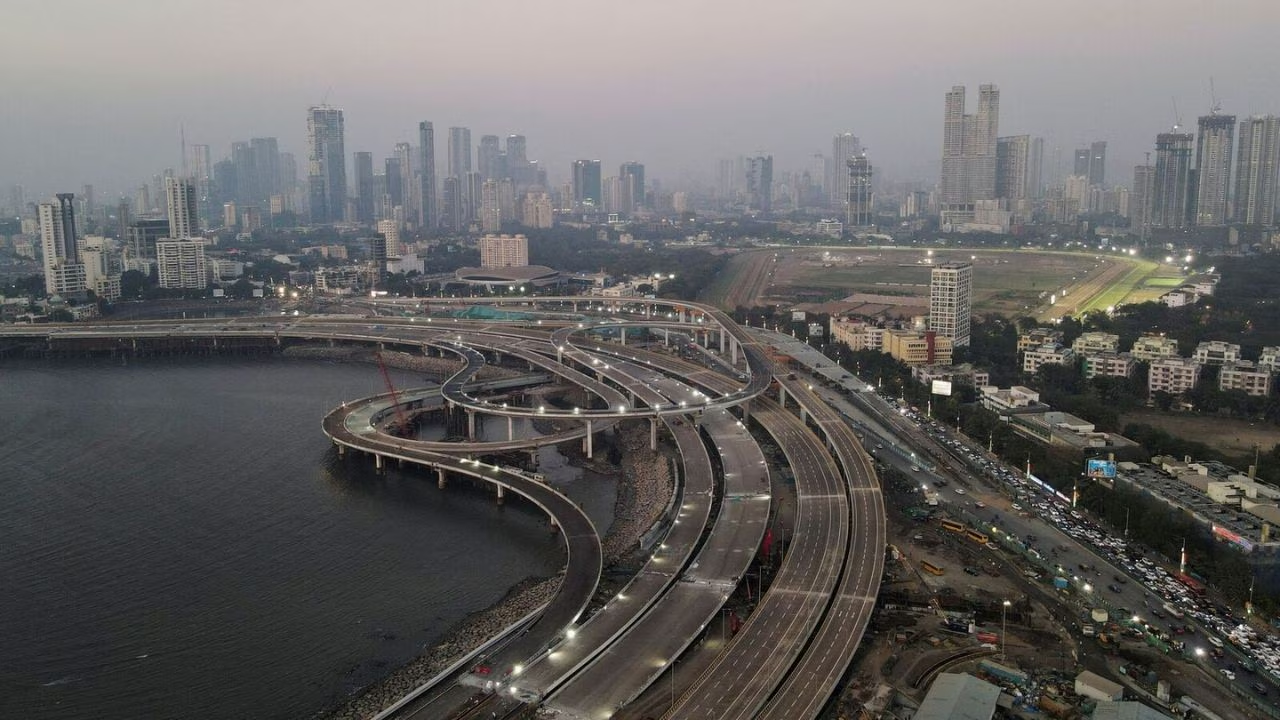
Navi Mumbai has been named India’s cleanest city in the Swachh Survekshan 2025-26 rankings, followed by Surat and VijayawadaThe latest results also mark the end of Indore’s eight-year winning streak.
Share Article
https://www.india.com/news/india/navi-mumbai-beats-indore-to-become-indias-cleanest-city-check-full-list-of-swachh-survekshan-winners-8544068/
(Image: Pixabay)
Navi Mumbai has emerged as India’s cleanest city in the Centre’s annual cleanliness survey, Swachh Survekshan 2025-26Surat in Gujarat secured the second position, while Vijayawada in Andhra Pradesh finished thirdThe results were announced on Wednesday, November 11, at an award ceremony in New Delhi, where President Droupadi Murmu presented awards to the winning cities.
This year’s results also brought a major change to the rankings as Indore, which had held the title of India’s cleanest city for eight consecutive years, did not retain its position at the topInstead, it was recognised in the newly introduced ‘Swachh Shehar Jodi’ category, securing second place along with its partner town, Depalpur.
The 10th edition of the survey covered more than 4,700 urban local bodies (ULBs) across the countryIt assessed cities on different aspects of cleanliness, waste collection, sanitation and public participation.
Which cities ranked among India’s cleanest?
In the Super Swachh League category, Navi Mumbai secured the first position, followed by Surat and Vijayawada.
The rankings for cities with a population of more than 10 lakh were differentGreater Visakhapatnam secured the top position, while Jabalpur and Lucknow finished second and third, respectively.
Among cities with a population between 3 lakh and 10 lakh, Madhya Pradesh’s Ujjain emerged as the winnerChandigarh took the second position, followed by Guntur in third place.
Indore’s eight-year winning streak comes to an end
Indore had been recognised as India’s cleanest city for eight years in a rowHowever, this year’s survey introduced a new category called ‘Swachh Shehar Jodi’, under which better-performing cities guide smaller towns in improving their cleanliness standards.
Under this initiative, Ahmedabad and its partner town Sanand secured the first positionIndore and Depalpur finished second, while Tirupati and Kuppam took the third position.
The main aim of this initiative is to help smaller cities improve waste management and sanitation by learning from cities that have performed well in previous surveys.
Full list of winners in different categories
The survey also recognised cities for their performance in different population groups and geographical categories.
Cities with a population of 50,000 to 3 lakh:
- Dewas in Madhya Pradesh secured the first position.
- New Delhi Municipal Council (NDMC) area finished second.
- Sagar in Madhya Pradesh took the third position.
Cities with a population of 20,000 to 50,000:
- Vita in Maharashtra secured the first position.
- Aska in Odisha finished second.
- Panaji in Goa took the third position.
Other special categories:
- Cleanest Riverfront Town: Rewa in Madhya Pradesh secured the first position, followed by Bilaspur and Varanasi.
- Cleanest Coastal Town: Puri in Odisha topped the list, while Alappuzha in Kerala and Ratnagiri in Maharashtra secured second and third positions.
- Cleanest Himalayan City: Uttarakhand’s Rudrapur emerged as the winner, followed by Jammu and Shopian.
How were cities evaluated in Swachh Survekshan 2025-26?
This year’s survey was conducted under the theme ‘Swachhata Ki Nayi Pehel – Badhayein Haath, Karein Safai Saath’According to the Union Ministry of Housing and Urban Affairs, more than 3,000 trained assessors visited different cities and checked their cleanliness arrangementsThe evaluation covered 43 indicators across 10 major areas.
These included door-to-door garbage collection, waste segregation, transportation and disposal of waste, cleanliness of public places, access to toilets, wastewater management and facilities for sanitation workers.
The assessment process was also made digitalGPS-based monitoring was used during field inspections, while the submission and checking of documents and other evidence were carried out online.
The survey has grown significantly since its first edition in 2016, when only 73 urban local bodies participatedThis year’s edition covered more than 4,751 cities, making it one of the largest urban cleanliness assessments in the world.
Smaller cities also show improvement
The ministry also highlighted improvements among cities participating in the Swachh Shehar Jodi mentorship programmeAccording to the ministry, more than 350 urban local bodies improved their rankings by over 500 positionsMore than 1,700 smaller urban local bodies with populations below 50,000 also performed better than they did in the previous edition.
The programme also recorded improvements in several cleanliness-related areas between the 2024-25 and 2025-26 surveys.
- Visible cleanliness improved from 48% to 70%.
- Door-to-door garbage collection increased from 52% to 74%.
- Waste segregation at source rose from 16% to 30%.
- Access to sanitation facilities improved from 11% to 38%.
- Used water management increased from 32% to 53%.
- Awareness and public participation in cleanliness activities improved from 48% to 66%