


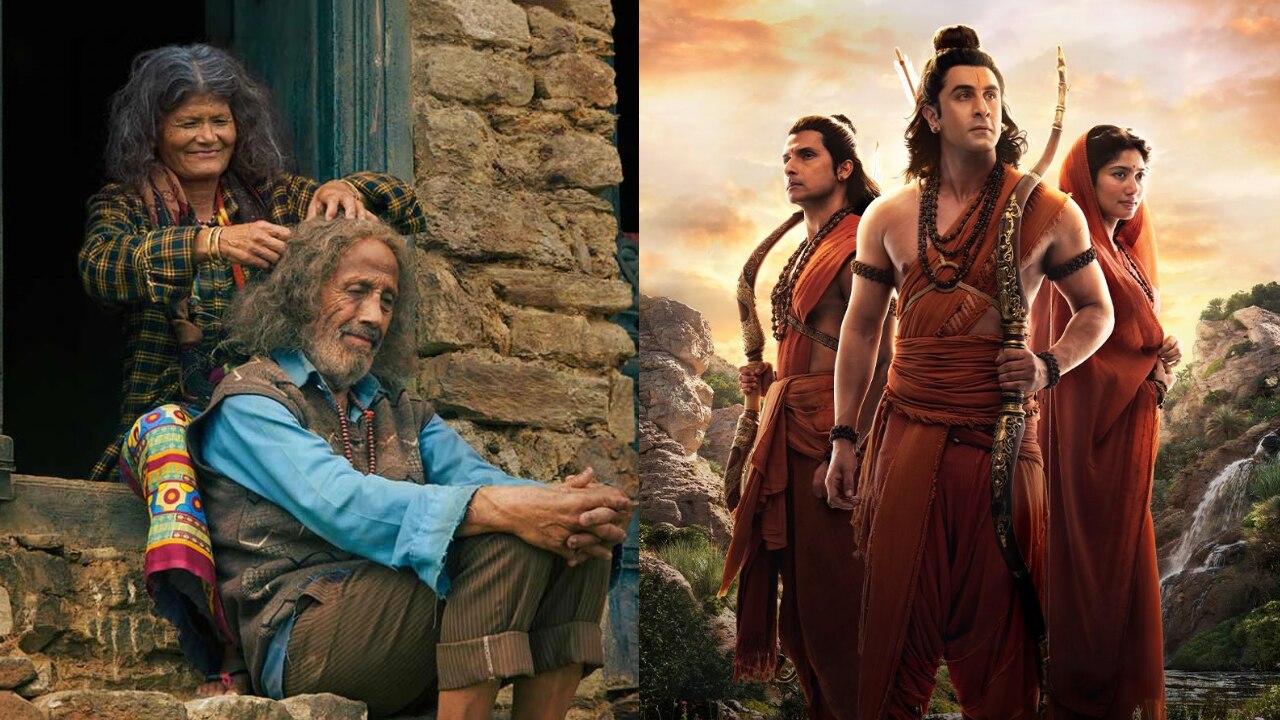
Vinod Kapri’s Pyre has received support from the All India Cine Workers Association after the filmmaker raised concerns over its reduced theatrical screeningsAICWA has now approached the I&B Minister, demanding an investigation and a fair screen allocation policy for small films.
Published: November 12, 2026, 12:33 PM IST
Share Article
https://www.india.com/entertainment/bollywood/pyre-controversy-aicwa-approaches-i-and-b-minister-ashwini-vaishnaw-over-75-percent-screen-cut-for-vinod-kapri-film-amid-ramayana-release-demands-fir-8544142/

Vinod Kapri’s Pyre gets AICWA support after screen cut controversy (PC: Instagram)
The release of a big-budget film often changes the theatrical landscape, but what happens to smaller films that are already finding an audience? This question has become the centre of a new debate in the Indian film industryNational Award-winning filmmaker Vinod Kapri recently raised concerns over the sudden reduction in screenings of his film Pyre following the release of RamayanaThe filmmaker alleged that the film lost a major share of its shows despite receiving a positive response from moviegoersNow, the controversy has taken another turn, with a film workers’ association stepping in and approaching the Union Information and Broadcasting MinisterThe update has also brought attention to the challenges faced by independent filmmakers when competing with large theatrical releases.
AICWA writes to I&B Minister Ashwini Vaishnaw, demands inquiry and FIRs
The All India Cine Workers Association (AICWA) has written to Union Information and Broadcasting Minister Ashwini Vaishnaw, seeking an investigation into the alleged reduction in screenings of PyreThe letter was written by AICWA president Suresh Shyamlal Gupta
In its letter, the association highlighted how Pyre, made on a modest budget of approx Rs 2.5 crore, initially received around 80 screensFollowing positive word of mouth, the number reportedly increased to nearly 400However, after the release of Ramayana on November 5, the film allegedly lost nearly 75 per cent of its screenings, with its screen count falling to fewer than 100.
AICWA clarified that it does not oppose big-budget films or their theatrical successIt acknowledged that large productions provide employment to hundreds of technicians, artists and other film workersHowever, the association believes that smaller films should not lose their opportunity to reach audiences because of bigger releases.
AICWA demands include:
- A fair screen allocation policy for Indian cinema.
- An impartial inquiry into the reduction of Pyre screenings.
- A proper grievance redressal mechanism to protect independent and small-budget films.
- FIRs against theatre owners and distributors found guilty after the investigation.
- Restoration of the maximum possible screens and shows for Pyre while the inquiry is underway.
Vinod Kapri says Pyre will return to more screens from November 13
Filmmaker Vinod Kapri has continued to raise concerns about the film’s theatrical availabilityIn an earlier social media post, he claimed that Pyre started with around 80 screens but gradually expanded to more than 400 shows following audience appreciationHe alleged that over 75 per cent of its shows were subsequently removed.
In a recent interview with India Today, Vinod Kapri said the film was then running on approx70-75 screens, with nearly 90 per cent of its shows reportedly running housefulHe also appealed to exhibitors to give the film at least one screening in cities where it had disappeared from theatre schedules.
However, there is some positive news for the filmmaker. Recently, Vinod Kapri announced that more than 200 shows of Pyre would be added from Friday, November 13, 2026He thanked audiences for supporting the film and acknowledged PVR Cinemas and Cinepolis for helping it return to more screens.
About Pyre
Pyre is directed by Vinod Kapri and tells the story of Amma and Bubu, an elderly couple living in a remote Himalayan village in UttarakhandAccording to IMDb, the plot of Pyre revolves around, “As their Himalayan village empties, elderly Padam and Tulsi struggle with loneliness and abandonmentA surprise letter from their long-absent son rekindles their spirit.”
The film explores their relationship, loneliness, parent-child bond, and the impact of migration on mountain communities.