



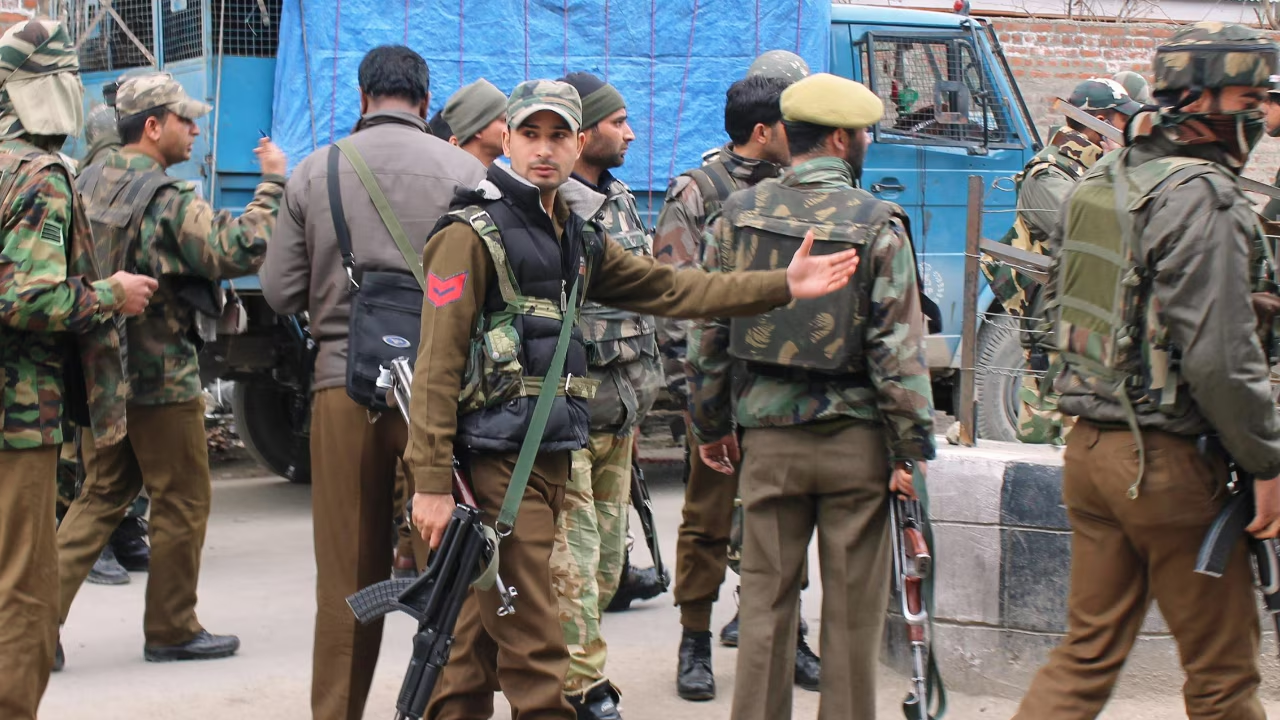
Officials said the pattern of infiltration attempts has also changedInstead of larger groups associated with a single outfit, smaller mixed groups are reportedly being used, with members linked to different terror organisations operating together.
Published: August 12, 2026, 2:54 PM IST
Share Article
https://www.india.com/news/india/over-500-terrorists-await-infiltration-big-shift-in-terror-operations-in-pakistan-as-isi-takes-direct-control-of-let-jem-and-hizbul-mujahideen-8499624/
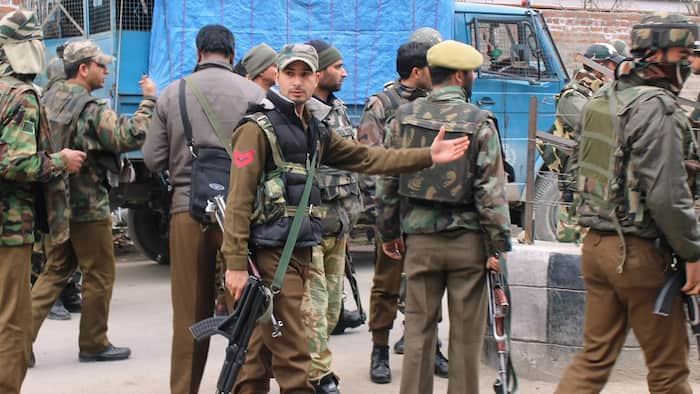
Over 500 terrorists await infiltration? BIG shift in terror operations in Pak as ISI takes direct control of LeT, JeM and Hizbul Mujahideen
(Image: PTI/File)
The operational structure of terror groups based in Pakistan has reportedly undergone a major change following Operation Sindoor, with the Pakistan-based Lashkar-e-Taiba (LeT), Hizbul Mujahideen and Jaish-e-Mohammed (JeM) now functioning under greater coordinationAccording to a report in IANS, LeT has increased its activities in recent months, while Hizbul Mujahideen and JeM have remained relatively less active since the operation.
One of the key changes is reportedly at the top levelInstead of the individual leadership of the three groups directly overseeing operations, Pakistan’s Inter-Services Intelligence (ISI) has taken greater control of their activities.
Sources told the news agency that a Brigadier and a Colonel have been assigned to supervise operations involving the three outfitsDecisions related to their activities are reportedly taken only after approval from these officers.
An Intelligence Bureau official said the restructuring had resulted in closer coordination among the groups and had also affected the way their operatives conduct activities“There is complete operational synergy following this restructuring of the top command,” the official was quoted as saying by IANS.
Indian intelligence agencies have also maintained that more than 500 terrorists are waiting across the Line of Control (LoC) for opportunities to enter India.
Earlier, LeT, Hizbul Mujahideen and JeM operated through separate command structures, with their own leaders and teams overseeing infiltration-related activitiesIntelligence inputs now suggest that the system has been brought under a common command structure involving Brigadier Iqbal and Colonel Owaiz.
Officials said the pattern of infiltration attempts has also changedInstead of larger groups associated with a single outfit, smaller mixed groups are reportedly being used, with members linked to different terror organisations operating together.
According to intelligence officials, the change is aimed at improving coordination between the three groups.
Officials further said that instructions related to infiltration are now being issued directly through the ISI structure rather than coming independently from the leadership or handlers of the individual terror groups.
ISI reportedly shifts focus to local recruitment in Jammu and Kashmir
The report in the news agency also said that ISI is also changing its approach in Jammu and Kashmir, with a greater focus on recruiting local youth instead of relying heavily on its traditional networks.
The ISI is using its religious scholars in Jammu and Kashmir for outreachInstead, it is reportedly using networks in places such as Afghanistan and parts of Africa to influence and radicalise young people.
Officials said the broader aim is to encourage locally recruited individuals to carry out attacks independently.
The officials also said recruits could be exposed to terrorist training, including methods related to the use of improvised explosive devices (IEDs).