
The loco pilot stated that a ‘brake feel’ and ‘brake power’ test was carried out in the Hatia-Ranchi section after the train departed from Hatia, in accordance with the prescribed instructions.
Share Article
https://www.india.com/news/india/vande-bharat-indian-railways-irctc-kolkata-sairang-express-brake-failure-ashwini-vaishnaw-hatia-jhansi-8545248/
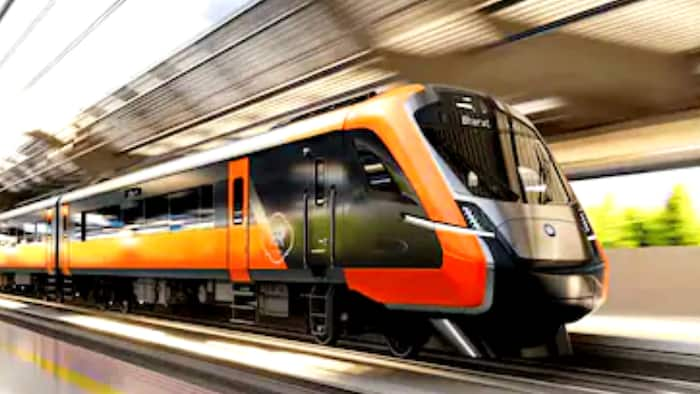
Vande Bharat Train
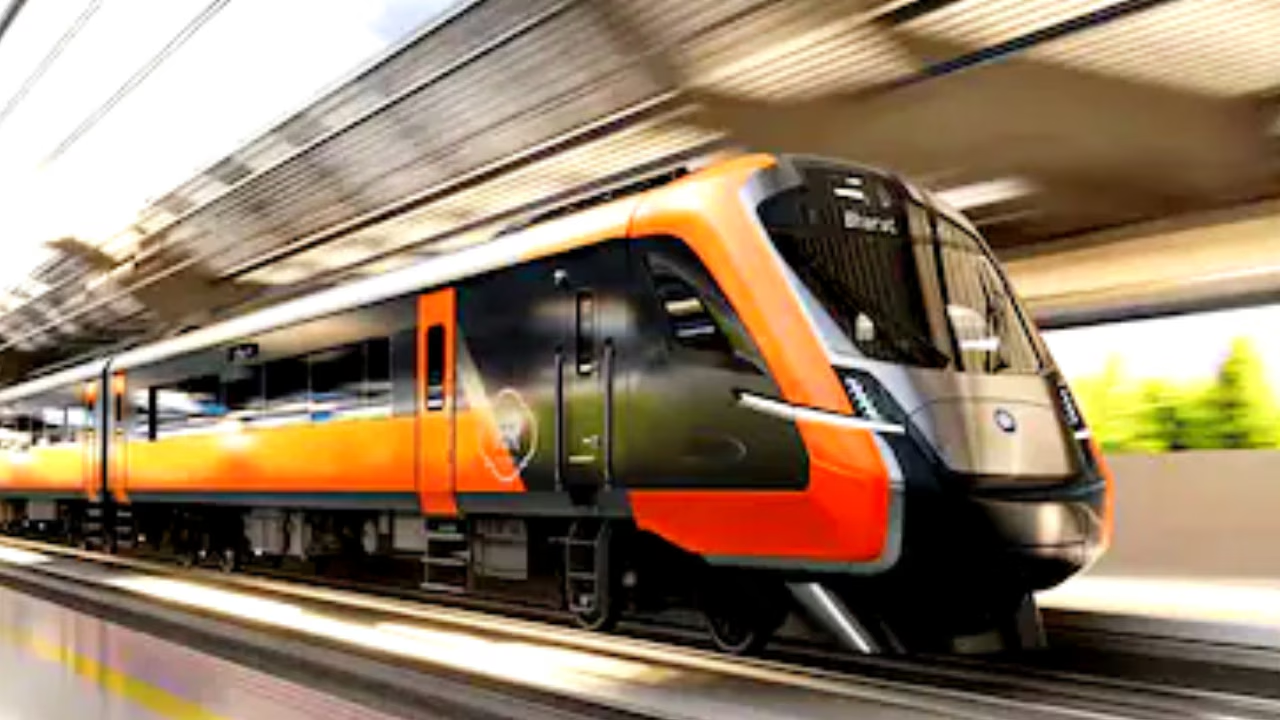
New Delhi: The Kolkata-Sairang Express, which derailed in Assam a few days ago, has once again raised concerns among passengers travelling by trainAmid this, a report about the Vande Bharat Express began circulating on social media, further deepening passengers’ anxietyAccording to the viral report, a Vande Bharat train was operated at full speed for nearly 463 km despite a malfunction in its braking system.
On October 24, the train reportedly travelled from Jharkhand to Uttar Pradesh despite the technical faultHowever, the concerned railway zone has now issued a clarification, putting the matter into perspective.
Indian Railways Issues Clarification:
As per Indian Railways, operating any train without the required braking capacity is extremely dangerous from a safety perspectiveIt could potentially lead to a major accident, putting the lives of railway staff as well as passengers at risk.
Clarifying the incident, the Railways stated that there were no passengers on board the Vande Bharat train in questionAfter the technical fault in its braking system was detected, a goods train locomotive was attached to itThe Vande Bharat train was subsequently hauled from Hatia in Jharkhand to Jhansi in Uttar Pradesh using the goods train locomotive.
Railway officials stated that before the train departed, the braking system of the goods train locomotive was connected to that of the Vande Bharat train to ensure a safe journey from Hatia to JhansiHowever, questions have been raised over whether the two braking systems were properly coupled, with reports suggesting that certain warnings were ignored.
Ranchi Railway Authorities Order an Investigation
An order issued on November 7 stated that instructions had been given on October 24 to move the empty Vande Bharat train from Hatia to JhansiIn his statement, the loco pilot said that after departing from Hatia, a ‘brake feel’ and ‘brake power’ test was conducted in the Hatia-Ranchi section as per the prescribed instructions.
During the test, the loco pilot found that the train’s braking power was extremely weak and ineffectiveUpon reaching Ranchi station, the loco pilot submitted a written complaint to railway officials, including the Section Controller and Traction Loco Controller, highlighting the poor braking.
Vande Bharat Train Continued Its Journey Despite the Fault
The railway order further stated that despite being informed about the poor braking capacity, the train was allowed to continue its journey in the same condition.
It was only after the train reached Deen Dayal Upadhyaya (DDU) station in Uttar Pradesh’s Chandauli district that railway staff took the matter seriouslyFollowing an inspection by DDU station officials, it was discovered that the braking systems of all the coaches had been disconnectedAs a result, the coaches had no functional brakes.
The order also pointed out that despite receiving information about the weak braking capacity, the railway staff concerned failed to take any corrective action.