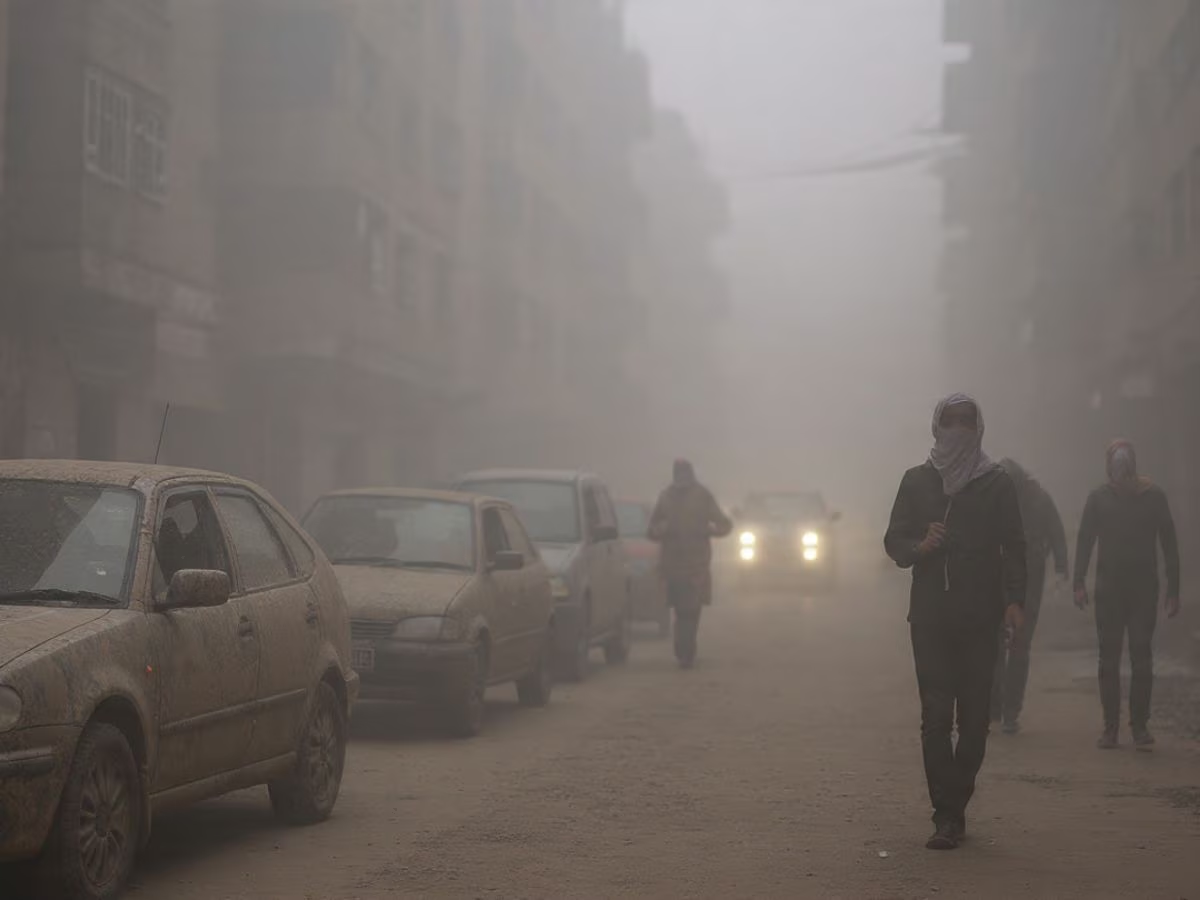



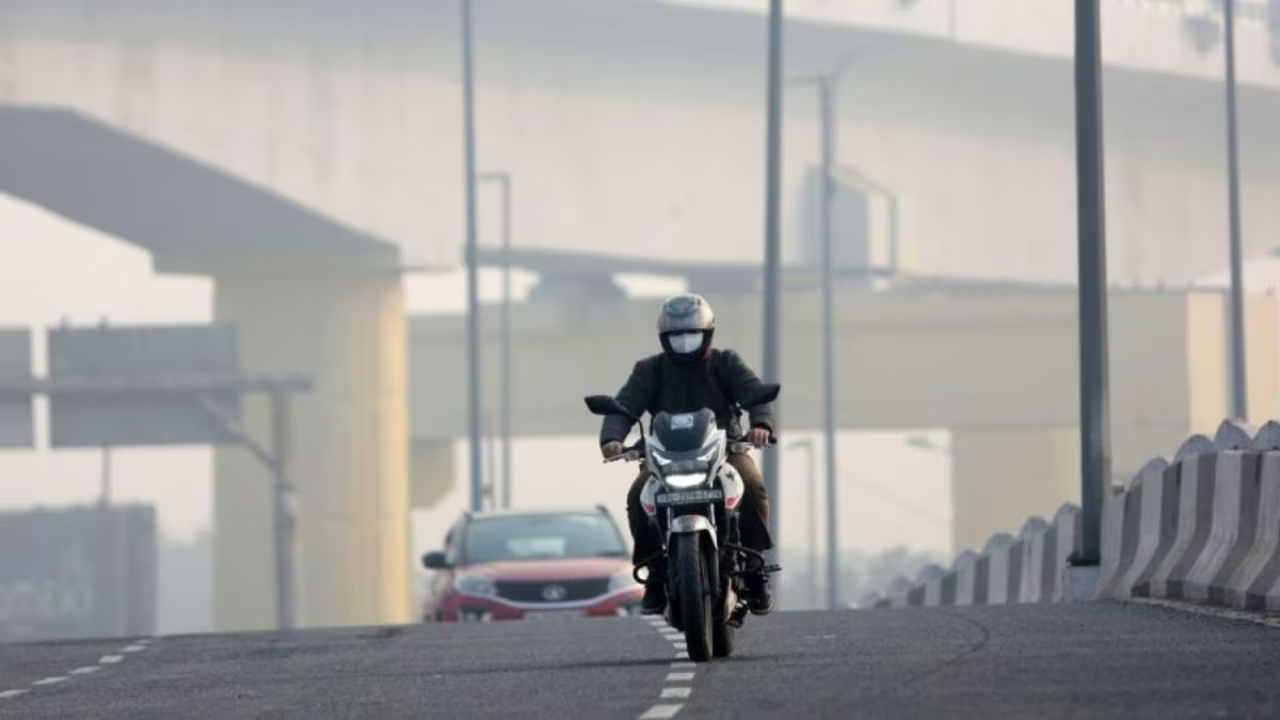
The drop in AQI has brought a much-needed sigh of relief to residents, as pollution levels continue to decline.
Share Article
https://www.india.com/news/india/delhi-air-quality-aqi-anand-vihar-ashok-vihar-bawana-chandni-chowk-igi-airport-noida-ghaziabad-gurugram-8545814/
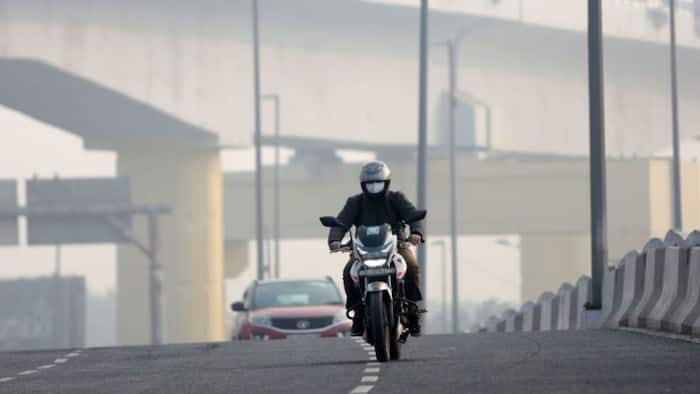
Delhi Pollution Update
New Delhi: In a major relief, the Air Quality Index (AQI) of Delhi recorded below 300 on Wednesday, offering residents some relief from pollutionIt is important to note that the AQI was recorded below 300 on Tuesday as wellNotably, several areas across the capital reported AQI levels below the 300 mark on Wednesday.
For the past several days, the residents had been grappling with severe pollutionThe decline in AQI is now being seen as a sign of relief, with people feeling reassured as pollution levels continue to dropThe improvement means residents may no longer have to breathe the same choking air they had been exposed to over the past few days.
| Location | AQI | Category |
|---|---|---|
| Anand Vihar | 207 | Poor |
| Ashok Vihar | 224 | Poor |
| Bawana, Delhi | 247 | Poor |
| Chandni Chowk, Delhi | 292 | Very Poor |
| IGI Airport | 194 | Moderate |
| Noida Sector 62 | 295 | Very Poor |
| Indirapuram, Ghaziabad | 207 | Poor |
| Hapur | 114 | Moderate |
| Gurugram Sector 51 | 267 | Poor |
Children, the elderly, and people suffering from health issues, in particular, are breathing a sigh of relief as Delhi’s air quality continues to show improvementMeanwhile, the administration has also been making several efforts to improve air quality, and these initiatives are now yielding positive results.
GRAP-3 Restrictions Lifted
Meanwhile, with pollution levels easing in Delhi, restrictions imposed under GRAP-3 have been liftedHowever, restrictions under GRAP-1 and GRAP-2 will remain in place to prevent the pollution situation from deteriorating further in the coming daysGRAP-3 was implemented on November 6.
Besides this, while pollution levels may be providing some relief to people, they are being advised not to let their guard down and to take all necessary precautionsThey should wear masks whenever they step outdoorsChildren, the elderly, and women are also advised to take extra care of their health.
Delhi most polluted among 24 state and UT capitals
Delhi recorded an annual average PM2.5 concentration of 94 micrograms per cubic metre between Diwali 2025 and Diwali 2026 ( barring the festival days), which was more than twice the national standard, making it the most polluted among 24 state and Union Territory capitals analysed by a Delhi-based think tank.
According to data by Envirocatalysts, PM2.5 levels in Delhi breached the 24-hour national standard of 60 micrograms per cubic metre for 201 days.
The data showed that Delhi’s annual average PM2.5 concentration was 2.3 times the national annual standard of 40 micrograms per cubic metre and 18.7 times the World Health Organization’s annual guideline of 5 micrograms per cubic metre.
Delhi also recorded a peak hourly PM2.5 concentration of 584 micrograms per cubic metre on Diwali night, between midnight and 1 am on November 9The festival day’s 24-hour average stood at 257 micrograms per cubic metre, rising to 266 micrograms per cubic metre the following day.
The data across 24 state and UT capitals with available monitoring data, as analysed by PTI, found that 10 cities recorded annual average PM2.5 concentrations above the national standard.
Jaipur followed Delhi with 54 micrograms per cubic metre, followed by Lucknow (52), Kolkata (48), Patna (47), Bhubaneswar (46), Dehradun (45), Guwahati (42), Bhopal (42) and Naharlagun (41).