


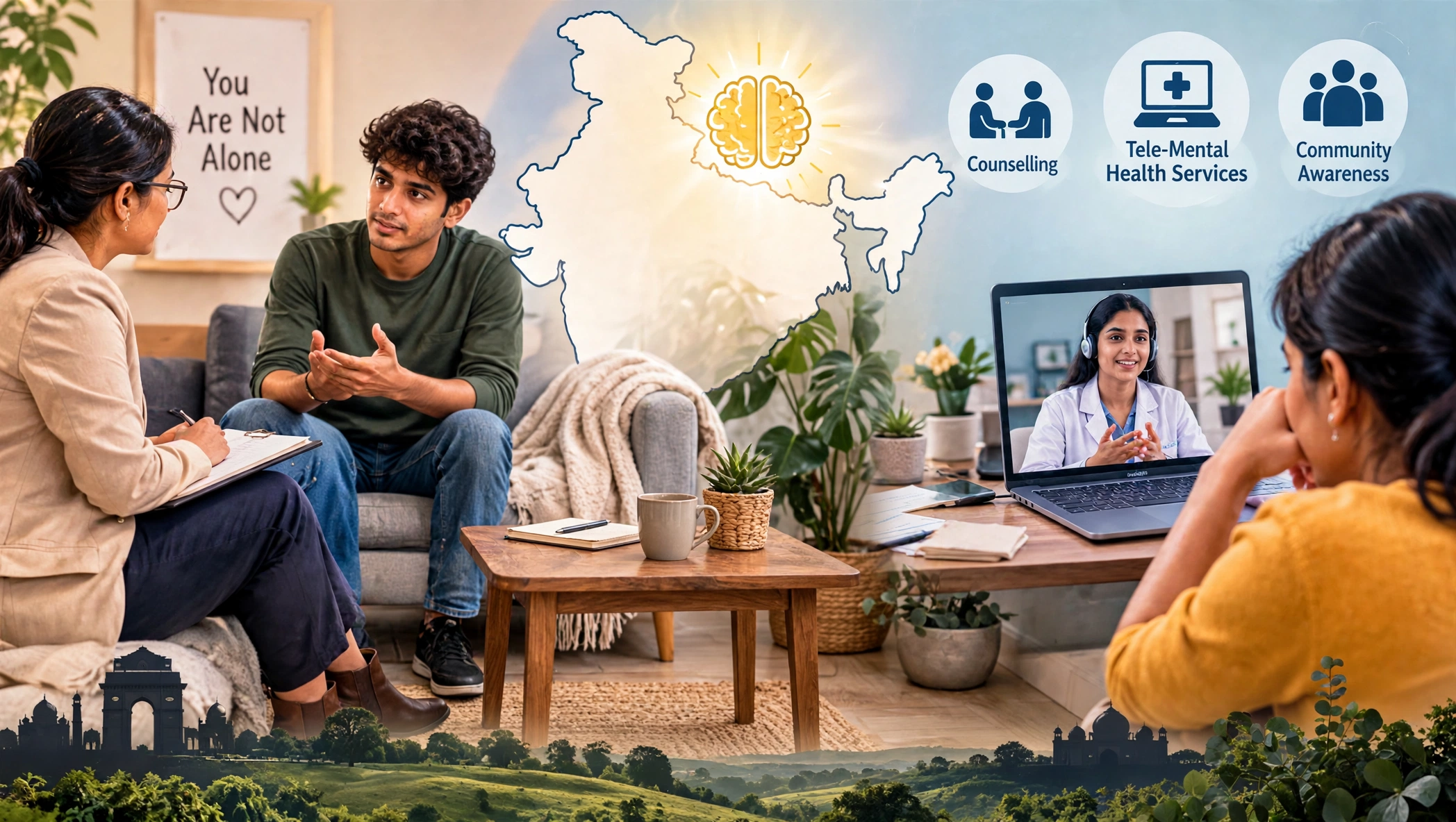
Changing attitudes, wider outreach and technology-driven solutions are creating new ways for people in India to seek guidance and support for their mental well-being.
Share Article
https://www.india.com/news/india/india-story-what-is-changing-in-indias-mental-healthcare-landscape-with-the-rise-of-counselling-and-tele-mental-health-services-8547886/
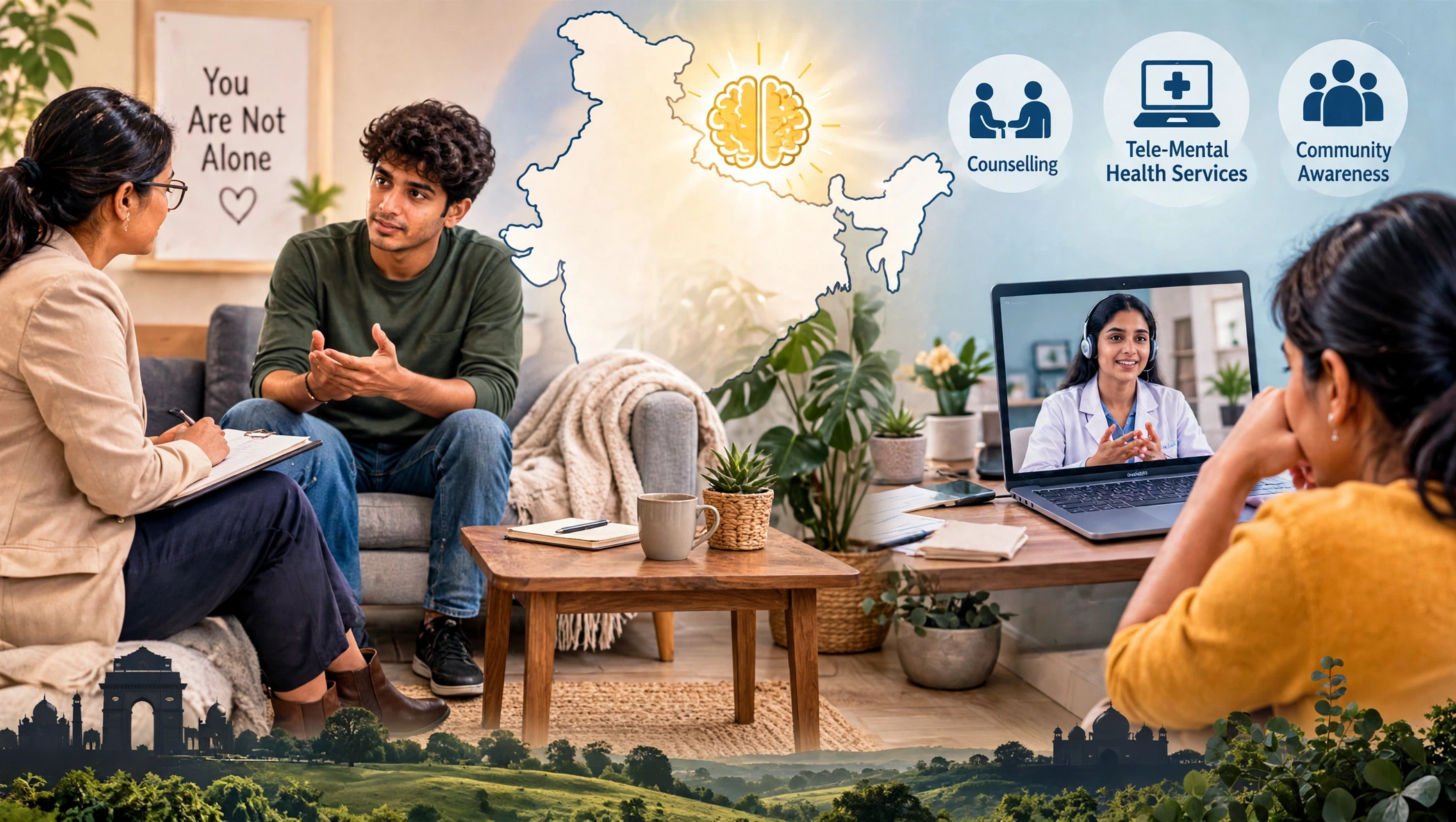
How is access to counselling and tele-mental health services changing in India (PC: Meta AI)
Mental health is becoming more visible part of India’s healthcare conversationFor a long time, people dealing with anxiety, depression, emotional distress or other mental health concerns often struggled to speak about what they were experiencingFinding professional help could also be difficult, particularly for those living outside major citiesThat situation is gradually changingMore people are discussing emotional well-being, counselling is becoming easier to access and digital services are creating new ways to seek supportGovernment programmes, community networks and changing attitudes are all contributing to this shift.
How is India’s approach to mental healthcare changing?
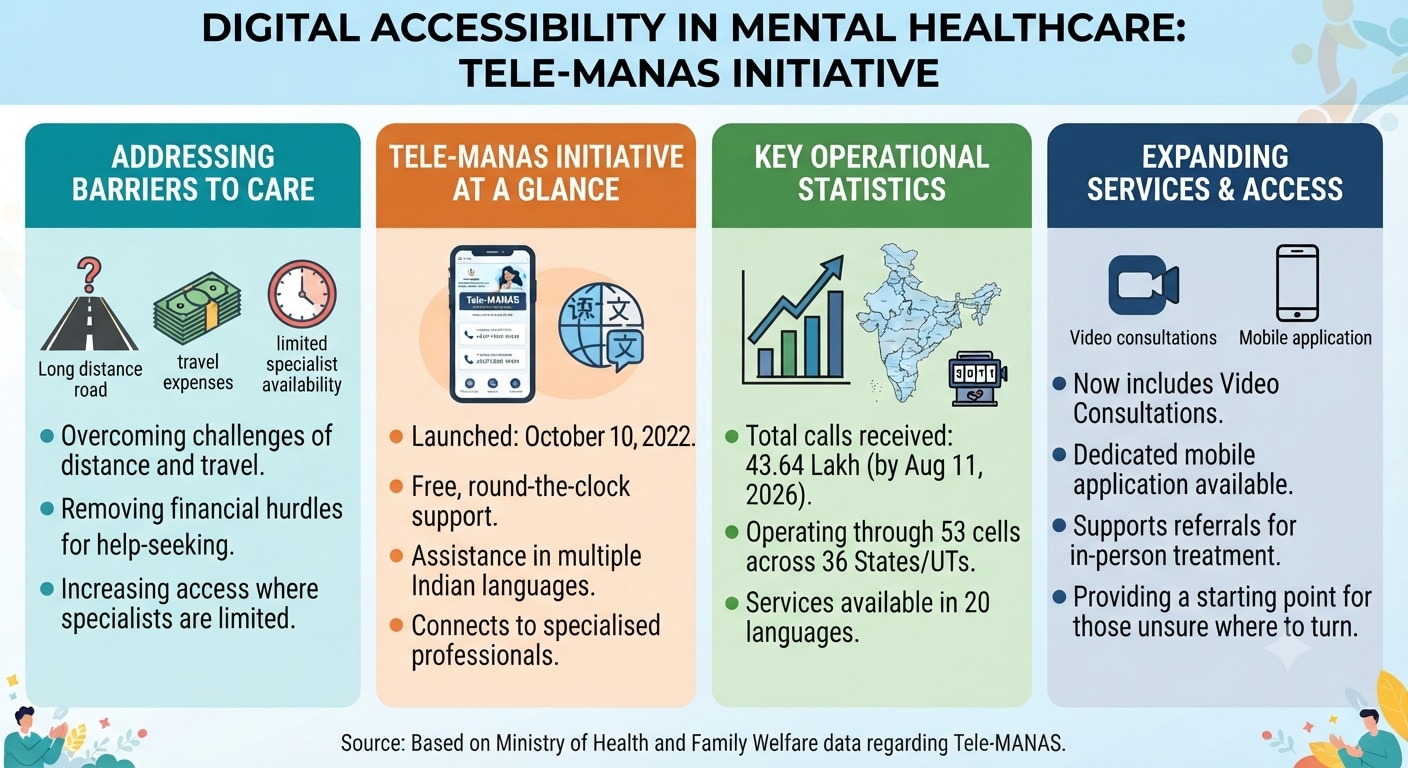
One of biggest changes is the growing recognition that mental health deserves same attention as physical healthThe Mental Healthcare Act, 2017 marked an important step by focusing on the rights and dignity of people living with mental health conditionsIt also requires health insurance policies to cover mental illnesses on the same basis as physical illnesses.
The Act also changed approach towards people who attempt suicideUnder Section 115, a person who attempts suicide is presumed to be under severe stress and should receive care, treatment and rehabilitation rather than punishmentThis reflects a wider shift towards treating mental health concerns as matters that require support and professional attention.
India’s National Mental Health Policy, introduced in 2014, also emphasised the need to make mental healthcare part of the wider public health systemInstead of depending only on specialised hospitals, the focus has increasingly moved towards bringing services closer to communities.
Tele-MANAS is making mental health support easier to reach
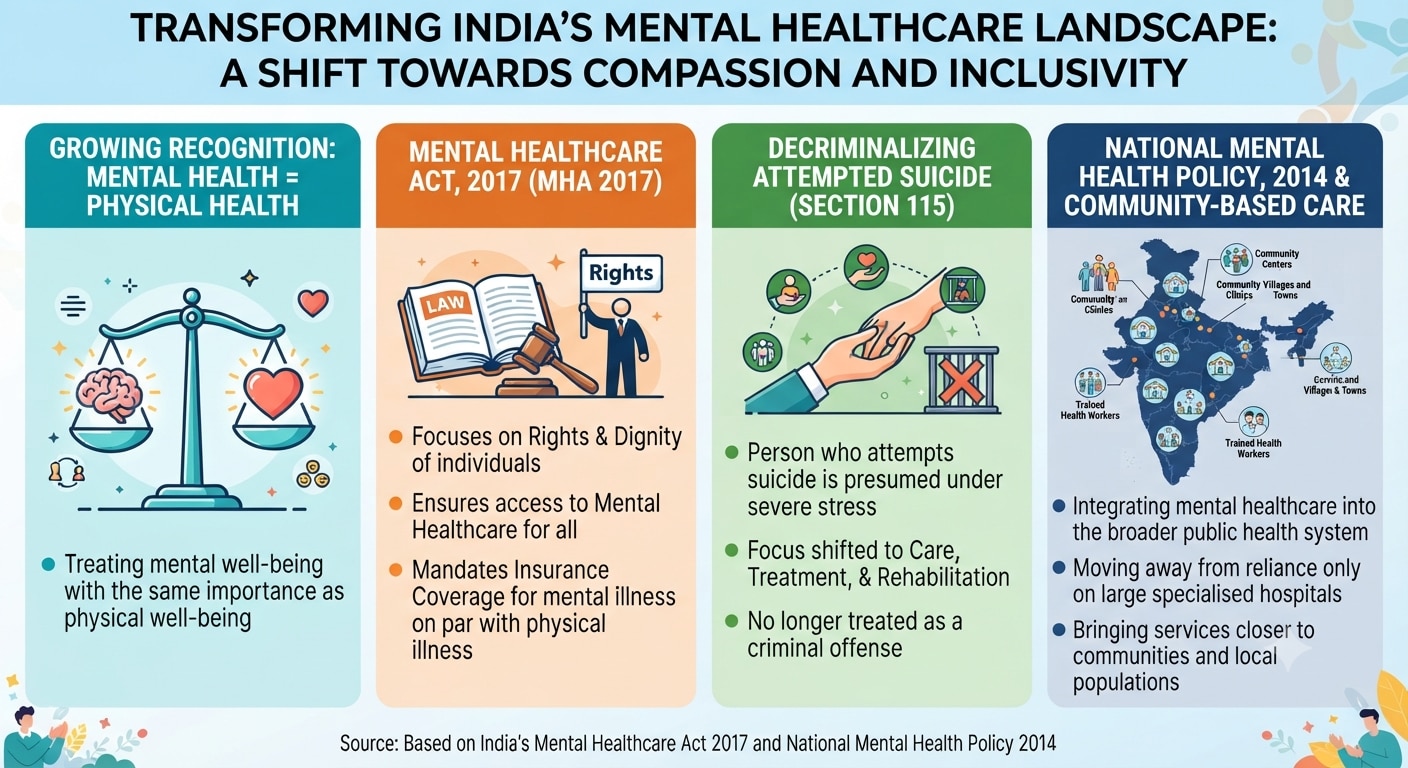
Digital access is playing an important role in this changeA person who may find it difficult to visit a counsellor in person can now seek initial guidance through a phone callOne of the most important government initiatives in this area is Tele-MANAS, launched on October 10, 2022.
The service provides free, round-the-clock mental health support through the toll-free numbers 14416 and 1-800-891-4416It offers assistance in multiple Indian languages and can connect callers with more specialised professionals when requiredThe service also supports referrals for in-person treatment.
According to the Ministry of Health and Family Welfare, Tele-MANAS had received 43.64 lakh calls by August 11, 2026It was operating through 53 cells across 36 states and Union Territories, with services available in 20 languagesThe programme has also expanded to include video consultations and a mobile application.
These options are important in a country where distance, travel expenses and limited availability of specialists can prevent people from seeking helpPhone-based support can provide a starting point for someone who is unsure where to turn.
Counselling services are reaching beyond major cities
Mental healthcare is also being taken closer to people through the District Mental Health Programme (DMHP). Implemented under the National Mental Health Programme, it aims to provide services through district hospitals and other public healthcare facilities.
The programme has been sanctioned for implementation in 767 districts, according to government figuresIts services include assessment, counselling, outpatient care, medicines and referralsMental health services are also being integrated into primary healthcare facilities, including Ayushman Arogya MandirsThis approach matters because people should not have to travel to a large city every time they need mental health assistanceIt also helps make conversations around emotional well-being a more familiar part of routine healthcare.
Online therapy platforms are changing how people seek help
Alongside government services, private digital platforms have created additional ways to access counsellingServices such as Amaha, YourDOST, MindPeers and TalktoAngel offer different forms of mental health support, including online consultations and therapy sessions.
Depending on the platform, users may be able to connect with professionals through video calls, audio sessions or text-based communicationFor some people, starting a conversation online feels less intimidating than walking into a clinicFlexible appointment options can also make it easier to fit counselling into busy work or study schedules.
However, people should check the qualifications and professional credentials of anyone offering clinical mental health servicesOnline wellness advice is not a substitute for diagnosis or treatment from an appropriately qualified professional.
Why community awareness is important?
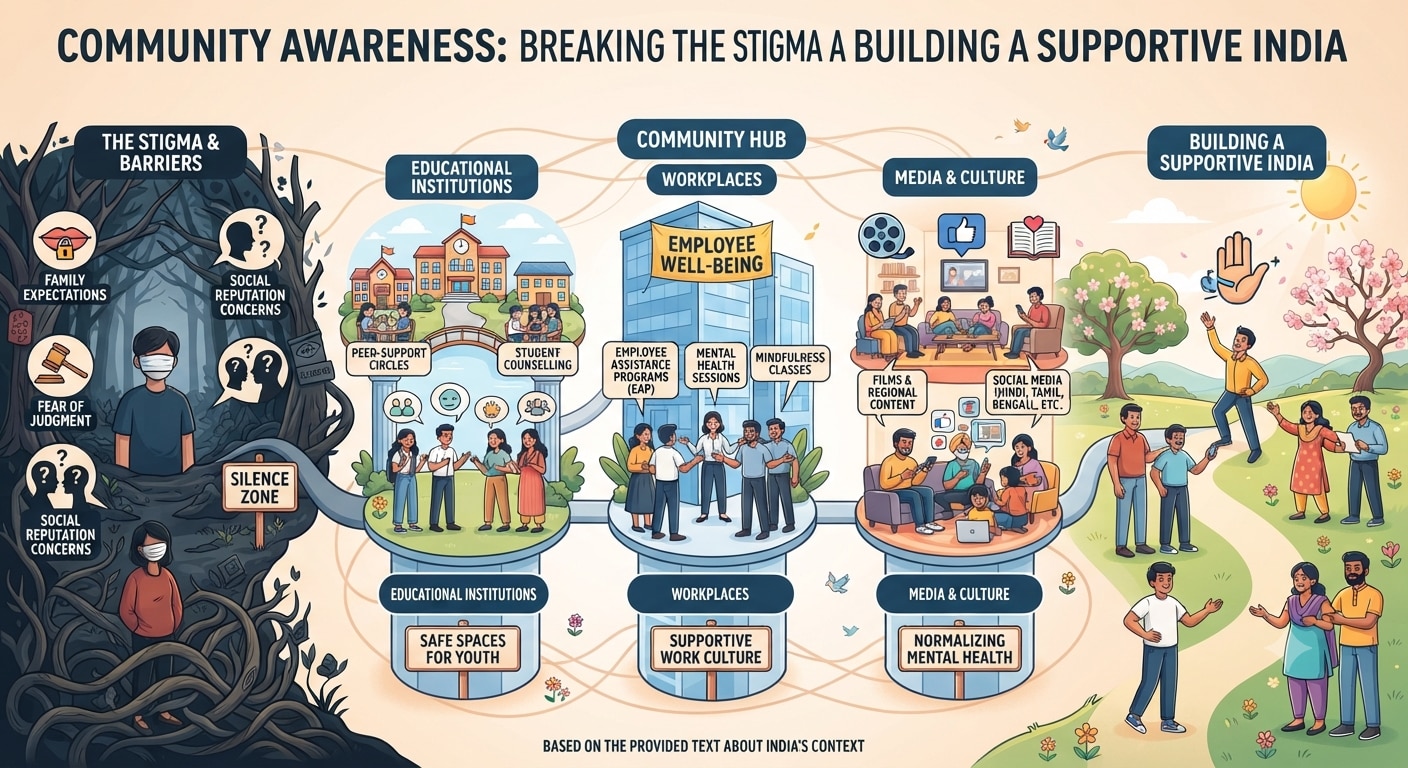
Better access to counselling is only one part of the solutionPeople also need to recognise when they or someone close to them may require supportIn India, family expectations, fear of judgement and concerns about social reputation can make these conversations difficult.
Schools, colleges and workplaces can help create environments where people feel more comfortable discussing emotional difficultiesStudent counselling services, peer-support activities and awareness sessions can help young people understand stress, anxiety and the importance of seeking assistance.
Workplaces are also paying greater attention to employee well-beingSome organisations offer employee assistance programmes, counselling sessions and mental health awareness activitiesFilms, social media discussions and regional-language content have also helped bring mental health topics into everyday conversationsWhen people hear these subjects discussed in familiar language, it can become easier to understand that seeking help is not something to feel ashamed of.
What lies ahead for mental healthcare in India?
India’s next step will be to connect digital support with reliable treatment at the community and district levelsMore trained professionals, stronger referral systems and better awareness in regional languages can help make services accessible to a wider populationThe National Suicide Prevention Strategy also provides a framework for coordinated action, with a target of reducing suicide mortality by 10% by 2030.
Its success will depend on sustained work across healthcare, education, workplaces and communitiesThe direction of change is encouraging, but progress will depend on how consistently these services reach people who need themMental healthcare must become affordable, reliable and accessible regardless of where someone lives.
Quick Take
-
Government programmes and digital platforms are making counselling and mental health support easier to access across India.
-
Tele-MANAS, district-level services and community initiatives are helping people seek guidance beyond major cities.