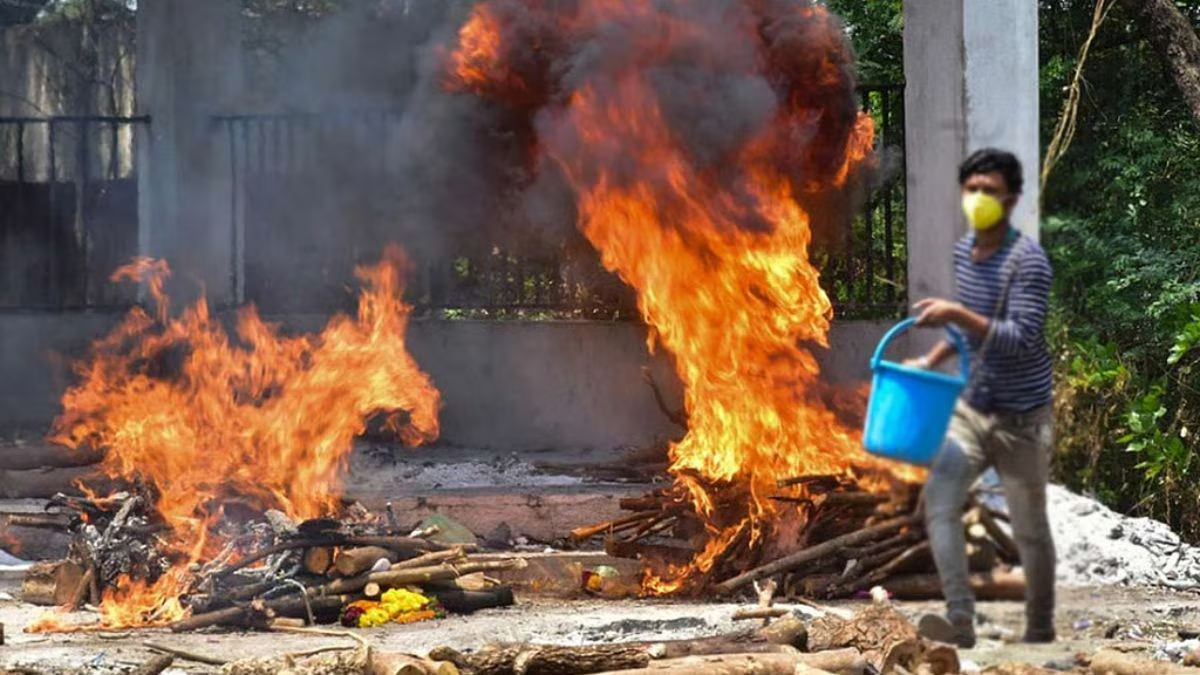
To help tackle air pollution, the MCD has rolled out a new initiative making electric and CNG cremations completely free from this month. The facility does not apply to traditional wooden cremations, which will continue under the existing system.
Published: June 10, 2026, 10:21 PM IST
Share Article
https://www.india.com/news/india/delhi-launches-free-electric-and-cng-cremation-initiative-heres-how-it-works-8442675/
Delhi launches free electric and CNG cremation initiative: Here’s how it works
Delhi’s civic body has launched a new measure to help reduce pollution in the city. Under a pilot project that began on June 1, families can now avail electric and CNG cremation services free of charge. The scheme is intended to cut down on the smoke produced by conventional wood-based cremations.
Assistance amount will be given
MCD officials said that many of Delhi’s crematoriums will now be operated by NGOs and social groups. To support their functioning, they will be provided Rs 500 per CNG or electric cremation. However, the free facility applies only to CNG and electric cremations, while traditional wooden cremations will continue under the existing system.
Environmental benefits from electric and CNG cremations
Every cremation carried out using electricity or CNG helps save about 700 kg of wood while significantly reducing air pollution. Previously, electric cremations cost around Rs 500 and CNG cremations up to Rs 1,500, but the MCD’s new initiative has made both services completely free.
CNG cremation facilities are available at these places
The capital currently offers CNG cremation services at just nine sites. These facilities are situated in Sarai Kale Khan, Rohini’s Kaivalya Dham, Dwarka Sector-24, Green Park, Karkardooma, Ghazipur, Subhash Nagar, Punjabi Bagh and Hastal.
Book slots on the MCD portal
The MCD has appealed to citizens to make use of greener cremation alternatives whenever feasible and to check the official portal for available slots before booking. The project is expected to involve an annual expenditure of Rs 2 crore to Rs 2.5 crore, with its continuation subject to public feedback and results.