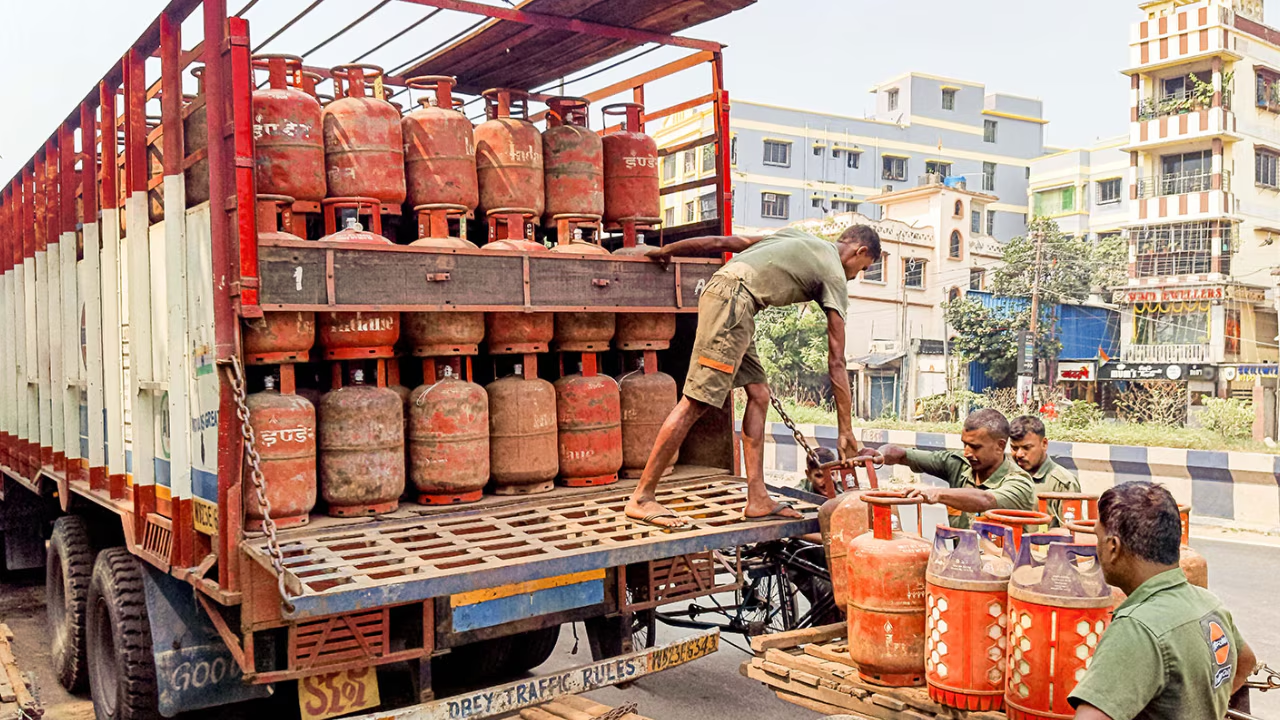
To shield its energy security from geopolitical shocks, India drastically shifted its LPG import profile by scaling up fuel supplies from the US and alternative markets. Scroll down to know the details.
Share Article
https://www.india.com/business/how-did-india-diversify-lpg-imports-amid-west-asia-war-to-safeguard-its-energy-security-explained-8452421/
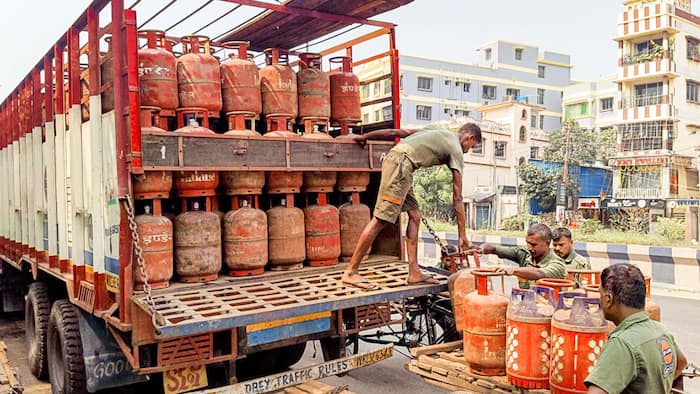
LPG cylinders| Image: ANI
India LPG imports: As the Iran-US war nears its end with the signing of the peace deal between the two parties, it becomes important to know how did India manage its energy supplies and most importantly, its global imports of liquefied petroleum gas, which is very critical to every household and commercial space of India. With the crisis now ending, it can be said that India successfully diversified its LPG imports during the recent West Asia conflict to safeguard its energy security. According to a report by ratings agency Crisil, the country significantly increased its LPG purchases from the United States, Iran, and several other nations. This strategic pivot was aimed at reducing India’s heavy dependence on the volatile Gulf region, which traditionally accounts for nearly 90 percent of its total LPG imports. Here in this article, we will discuss how India diversified its liquefied petroleum gas (LPG) imports during the recent West Asia conflict to safeguard its energy security.
How did India diversify its LPG imports during West Asia conflict?
At a time the whole world was movies towards an energy crisis, diversification of LPG became critically necessary to buffer the country against sudden price shocks and potential supply chain choke points during geopolitical hostilities. Relying almost entirely on a single geographical belt left India’s domestic energy market highly vulnerable to maritime blockades and regional instability. By scaling up volumes from alternative global suppliers like the US, India managed to insulate its domestic LPG availability, ensuring uninterrupted fuel supply for millions of households.
India’s annual LPG import and distribution
By April 2026, the United States emerged as a major supplier, contributing nearly one-third of India’s LPG imports, compared with just 8 per cent in February. The change was supported by a 2.2 million tonne per annum LPG supply agreement signed between India and the United States in late 2025. The agreement covers around 10 per cent of India’s annual LPG import requirements.
How many countries did India import LPG from?
Iran returned to India’s import basket, making up nearly 6% of its LPG imports in April. Additionally, India expanded its sourcing by securing LPG cargoes from countries such as Argentina, Chile, France, and the Netherlands. Although this diversification strategy successfully maintained supply security throughout the conflict, it led to longer shipping routes and increased transportation costs.
However, these supply disruptions and elevated costs significantly impacted domestic usage. India’s LPG consumption dropped to 2.47 million tonnes in April from 3.2 million tonnes in February, as rising prices and supply constraints curbed demand. After hitting a record high of 33.2 million tonnes in FY26 with a 6% annual growth rate, consumption experienced a sharp decline in the following months. Demand fell by 13% year-on-year in both March and April, with a steeper 20% drop recorded in May. Commercial and industrial sectors bore the brunt of the impact, as they navigate market-linked pricing and pulled back quickly in response to rising costs.
Also read: Rs 25 to be paid for home delivery of LPG cylinders: A must-know for THESE customers
India’s Household demand amid West Asia war
Household demand remained relatively resilient, supported by limited increases in retail cooking gas prices. The Crisil report noted that the conflict led to a sharp increase in global LPG prices, with the Saudi Aramco Contract Price, the benchmark used for Indian imports, rising 46 per cent between February and June amid concerns over supply disruptions and higher freight costs. Despite the surge in international prices, domestic household LPG prices saw only a modest increase.
How did India manage LPG prices?
The price of a 14.2-kg domestic LPG cylinder in Delhi rose around 10 per cent during the period, while the price of a 19-kg commercial cylinder jumped more than 79 per cent. The restrained increase in household LPG prices led to a sharp rise in under-recoveries for oil marketing companies as procurement costs significantly exceeded retail prices.