

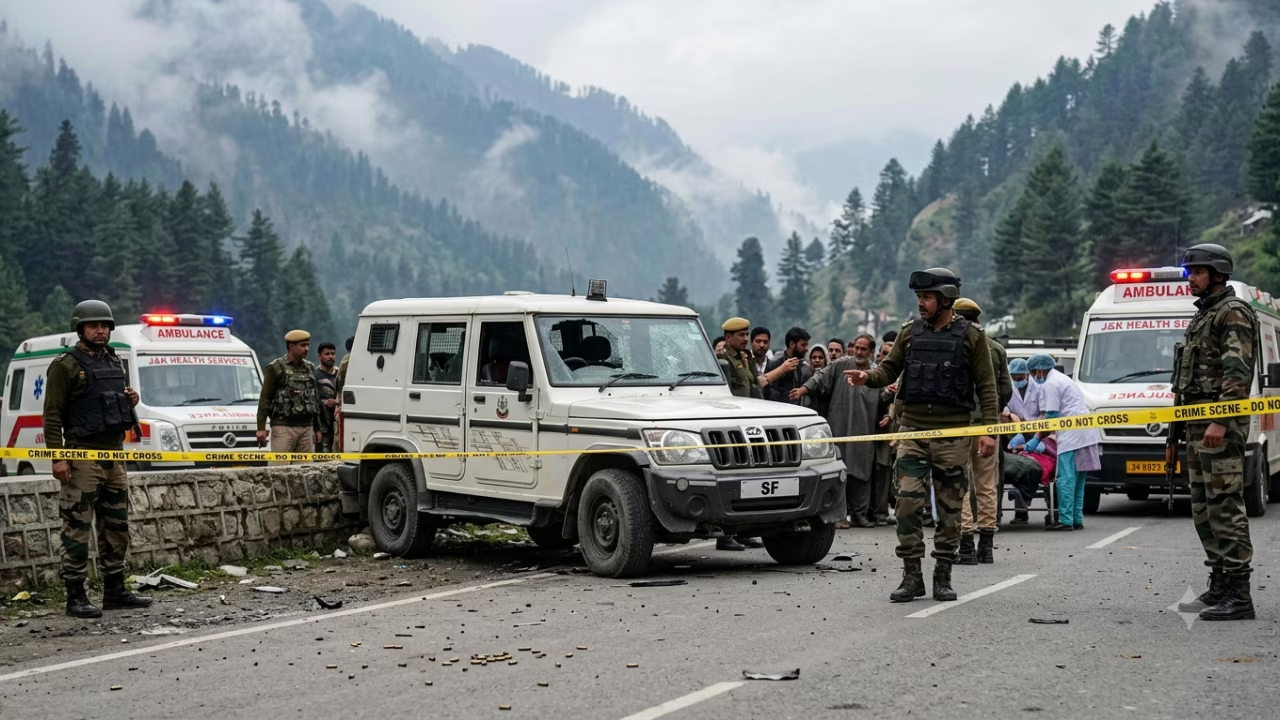
According to officials, increasing threat messages, attempts to build OGW networks, infiltration efforts and attempts to trigger communal tensions could all form part of a wider strategy aimed at putting pressure on Indian security agencies.
Published: September 4, 2026, 2:52 PM IST
Share Article
https://www.india.com/news/india/isi-plot-in-jk-intelligence-agencies-warn-of-major-infiltration-100-150-terrorists-may-enter-valley-ogw-network-expansion-8516655/
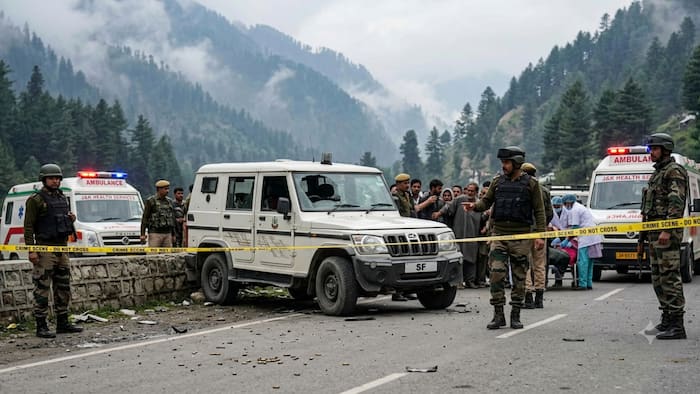
ISI plot in J&K? Intelligence agencies warn of major infiltration, 100–150 terrorists may enter valley, OGW network expansion (Representational image/AI generated)
Security agencies in Jammu and Kashmir are on high alert following a series of threat messages allegedly circulated by Pakistan-backed proxy groups in the ValleyThe messages have reportedly asked Kashmiri Pandits not to leave the region while warning migrant workers to leave Jammu and Kashmir immediately.
Officials believe the threats could be part of a larger strategy by Pakistan’s Inter-Services Intelligence (ISI) to divert the attention of Indian security forces from other activities being planned in the Valley.
ISI focusing on OGW network, infiltration
According to an intelligence assessment, reported by news agency IANS, the ISI is currently focusing on two major objectives in Jammu and KashmirThe first is to expand the network of over-ground workers (OGWs) who can provide terrorists with food, shelter, transport and other logistical support.
The second is an attempt to push a large number of foreign terrorists into the Valley through infiltration routes.
An Intelligence Bureau official said Pakistan could try to send around 100 to 150 terrorists into Jammu and Kashmir over the next few months.
Officials believe threat messages could become more frequent as part of this broader strategy.
Recent killings seen as warning
The concern comes after terrorists recently killed a head constable and two migrant workers in KashmirAccording to officials, these attacks may have been intended to reinforce the fear created by the threat messages and show that such warnings could be followed by actual attacks.
Security agencies are therefore taking the messages seriously while trying to determine which threats are genuine and which may be intended mainly to create panic.
Precise details about victims worry officials
According to the report in IANS, one of the biggest concerns for investigators is the amount of personal information reportedly available with the groups issuing the threatsOfficials said some of the messages contained specific details about migrant workers and Kashmiri Pandits, including their names, residential addresses and phone numbers.
This has raised questions about whether the groups have people inside the system who are passing sensitive information to them.
Officials have linked groups such as the United Liberation Council and The Resistance Front to Pakistan-based terror organisations, including Jaish-e-Mohammed and Lashkar-e-Taiba, respectively.
Infiltration attempts remain a concern
Security forces are also keeping a close watch along the Line of Control (LoC)Terrorists linked to groups such as Jaish-e-Mohammed, Lashkar-e-Taiba and Hizbul Mujahideen are believed to be waiting for opportunities to cross into Jammu and Kashmir.
Officials said tight security along the border has made infiltration more difficult, but the threat remains.
The agencies are therefore monitoring both the border and the internal support network that could help infiltrated terrorists survive and operate in the Valley.
Communal tensions also a security concern
Officials, as per IANS, have also warned of attempts to create communal tensions in Jammu and KashmirThey believe incidents designed to provoke religious or community-based clashes could further stretch security resources and distract forces from tracking terrorist movements and infiltration attempts.
According to officials, increasing threat messages, attempts to build OGW networks, infiltration efforts and attempts to trigger communal tensions could all form part of a wider strategy aimed at putting pressure on Indian security agencies.
(With IANS inputs)