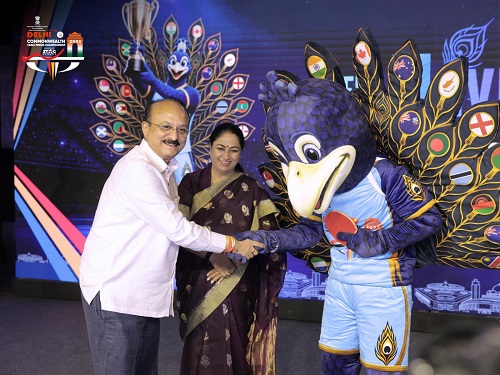
The official mascot of the Commonwealth Table Tennis Championship 2026 (CWTTC 2026) was unveiled at a grand ceremony held at The Lalit, Barakhamba Road, New Delhi, marking an exciting milestone in the countdown to one of the biggest sporting events of the year.
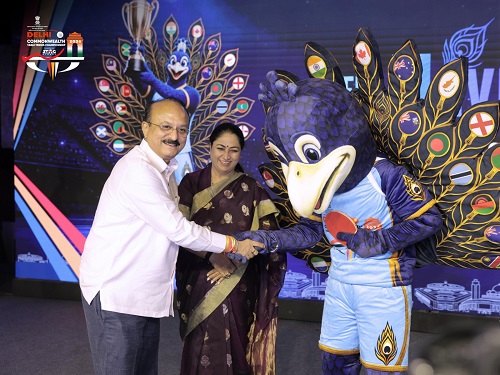 |
Hon’ble Delhi CM Smt. Rekha Gupta and Hon’ble Minister Shri Ashish Sood unveiled and welcomed Mayur, the official mascot of CWTTC 2026
The unveiling ceremony was graced by the Hon’ble Chief Minister of Delhi, Smt. Rekha Gupta, along with the Hon’ble Minister of Education & Sports, Shri Ashish Sood, who officially introduced the championship mascot in the presence of distinguished guests, sports officials, athletes, media representatives, and members of the table tennis fraternity.
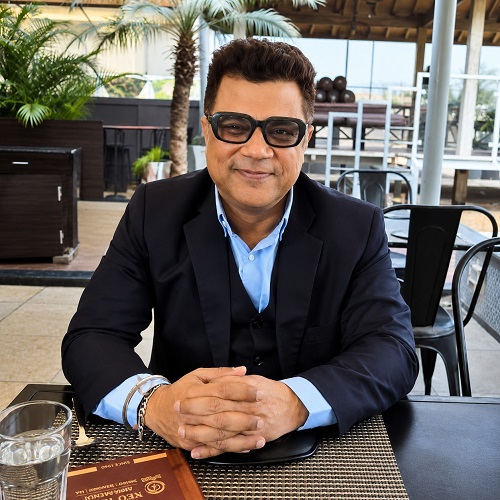 |
Managing Partner & CEO at XPERIA GROUP
The mascot launch reflects the spirit, energy, and aspirations of the Commonwealth Table Tennis Championship, symbolizing Delhi’s commitment to hosting an international sporting event while celebrating the city’s vibrant culture and sporting excellence.
The event was conceptualized, managed, and executed by Xperia Group, one of India’s leading experiential marketing and event management companies. Under the leadership of Mr. Saibal Gupta, Founder & CEO, Xperia Group delivered a seamless experience by combining creative storytelling, meticulous planning, and flawless on-ground execution. The agency is known for its expertise in experiential advertising, events and promotions, OOH media, and technology-led brand experiences, serving leading national and international brands across India.
Speaking on the successful execution, Mr. Saibal Gupta, Founder & CEO, Xperia Group, said, “It is an honour for Xperia Group to have been entrusted with the execution of such a prestigious sporting milestone. We are proud to have partnered in bringing the Commonwealth Table Tennis Championship 2026 mascot to life through an event that reflects the scale, passion, and vision of this international championship. We thank the organisers for their trust and look forward to contributing to more landmark sporting experiences.”
The successful unveiling has been a significance of excitement ahead to the championship, reinforcing Delhi’s readiness to welcome athletes and fans from across the Commonwealth.
The event also highlighted the collaborative efforts of government dignitaries, sports authorities, and event professionals in promoting international sporting excellence in India.
As the countdown to the Commonwealth Table Tennis Championship 2026 continues, the mascot now stands as a symbol of unity, determination, and the sporting spirit that will define the tournament.
About Xperia Group
Xperia Group is a full-service experiential marketing and advertising company specializing in events & promotions, OOH/DOOH advertising, cinema advertising, content creation, and technology-driven brand experiences. With a nationwide presence and a portfolio of successful campaigns for leading brands, the company is committed to delivering innovative, impactful, and memorable experiences that connect brands with audiences.