
Delhi’s air quality worsened sharply as the AQI climbed to 387, nearing the severe category, on ThursdayThick smog continued to cover the Capital as low wind speeds trapped pollutants close to the ground.
Share Article
https://www.india.com/news/india/delhi-pollution-crisis-aqi-nears-400-as-thick-smog-covers-city-21-areas-enter-severe-zone-will-aqi-get-worse-8544401/
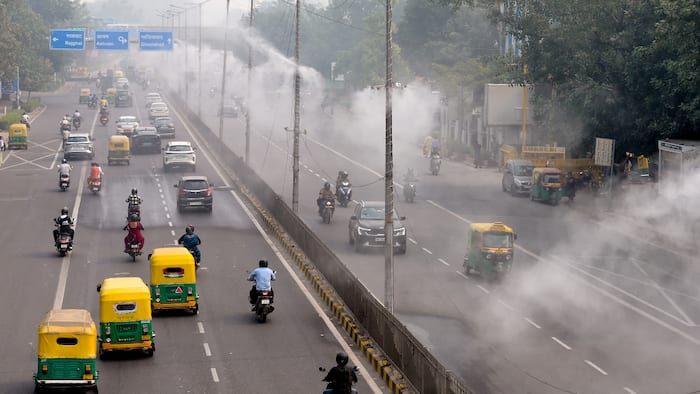
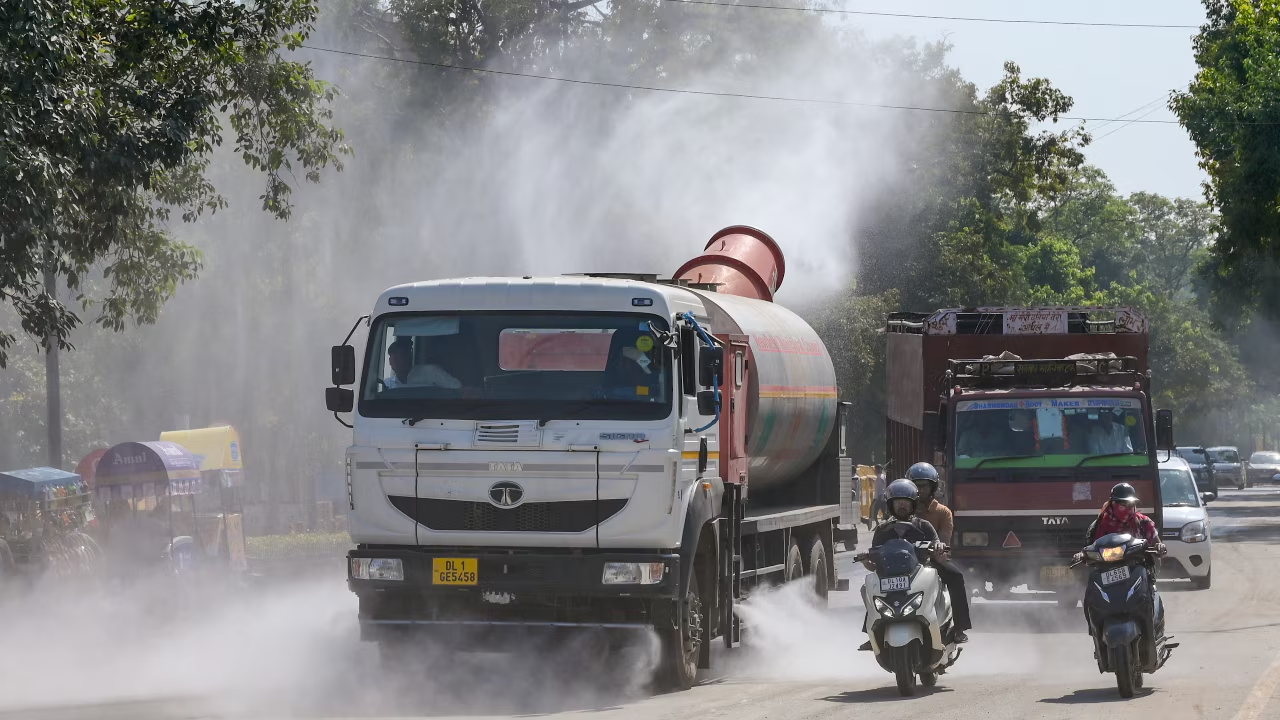
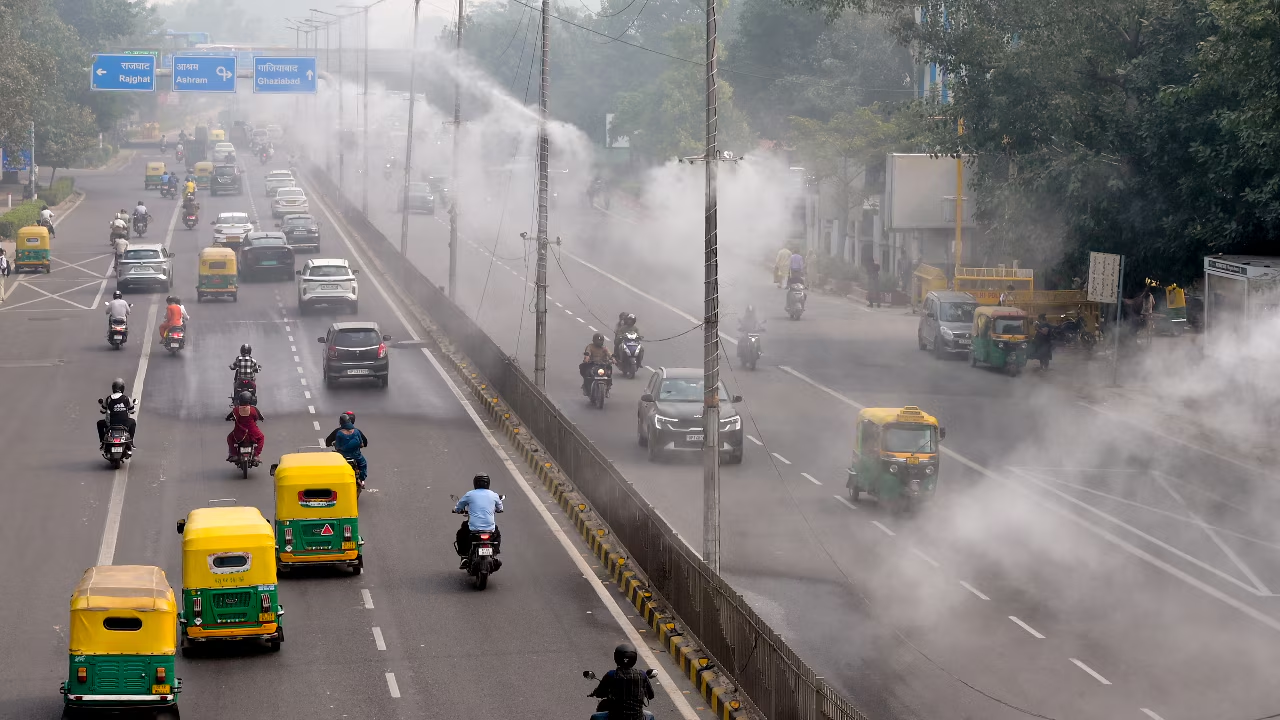
Delhi pollution crisis: AQI nears 400 as thick smog covers city, 21 areas in severe zone; Will AQI get worse? (Image: PTI)
Delhi’s air quality took a sharp turn for the worse on Thursday as pollution levels increased across the cityA thick layer of smog continued to cover the national capital, with unfavourable weather conditions preventing polluted air from clearingThe concentration of PM2.5, tiny pollution particles that can enter deep into the lungs, more than doubled in just 24 hoursIt reached 244 micrograms per cubic metre by 6 pm on Thursday, nearly four times the national safe limit.
According to the Central Pollution Control Board (CPCB), Delhi’s Air Quality Index (AQI) rose from 313 at 2 am to 366 by 6 pmIt climbed further to 387 by 10 pm, showing a steady rise in pollution throughout the day.
The city’s average AQI stood at 350 in the CPCB’s 4 pm bulletin, placing it in the ‘very poor’ categoryOn Wednesday, the reading was 313, while it was 299 on Tuesday.
The situation also worsened at several monitoring stationsBy 10 pm on Thursday, 21 out of the 58 stations reporting pollution levels had recorded an AQI above 400, which falls in the ‘severe’ categoryIn comparison, only one station had reported severe air quality on Wednesday evening.
Why is Delhi’s pollution increasing?
Weather conditions have played a major role in the sudden rise in pollutionLow wind speeds, warm temperatures and high moisture levels have made it difficult for polluted air to move away from the city.
Normally, sunlight and stronger winds during the afternoon help pollutants spread out, offering some reliefHowever, this did not happen on Thursday as the air remained almost still and the thick haze continued to hang over Delhi.
Another concern is the return of north-westerly winds, which can carry smoke from stubble burning in Punjab and Haryana towards Delhi-NCRThese winds were blowing at around 34 kmph above the city on Thursday, according to an analysis of official weather and pollution data by Hindustan Times.
The height of the atmospheric layer in which pollutants mix and disperse also dropped sharplyIt was around 400 metres on Thursday afternoon, compared with nearly 1,400 metres two days earlierThis meant that pollution remained concentrated closer to the ground.
Delhi weather forecast: Mist and shallow fog likely
According to the India Meteorological Department (IMD), Delhi is likely to experience partly cloudy skies on Friday, November 13, with mist or shallow fog in several areas during the morning.
The maximum temperature is expected to remain between 28 and 30 degrees Celsius, while the minimum temperature may range from 16 to 18 degrees Celsius.
Winds are expected to blow from the west in the morning before shifting towards the north-west during the afternoonWind speeds may reach around 15 kmph.
The air quality is likely to remain in the ‘very poor’ category, according to the Air Quality Early Warning System for DelhiThe forecast also indicates that pollution could continue to be a concern over the weekend.
GRAP Stage III restrictions already in place
The worsening air quality comes as Stage III of the Graded Response Action Plan (GRAP) is already in force across Delhi-NCR.
The Commission for Air Quality Management (CAQM) introduced the restrictions on November 6 after pollution levels remained high and forecasts indicated a possibility of the AQI entering the severe category.
The measures include restrictions on non-essential construction and demolition work, along with steps to control road dustSchools up to Class 5 have also been directed to conduct classes in hybrid mode.
Residents have been advised to limit outdoor activities, avoid unnecessary exposure to polluted air and use public transport wherever possible.