

With the revised BOQ, the budget for the original $2.8 million to be spent on consultants has been changed to $10,000 in total, and the remaining amount ($2.79 million) has been approved for unrelated expenditures not permitted under the contract.

Published: March 22, 2026 8:55 PM IST
What Was the Pokhara Airport Scam About?
As per a report by The Kathmandu Post, the charge sheet filed by the Commission for the Investigation of Abuse of Authority (CIAA) states that a provisional sum of $2.8 million allocated for consultancy services under the Engineering, Procurement, and Construction (EPC) contract was meant to be used strictly for that purpose. Any unspent amount was supposed to be deducted from the overall contract cost. However, the accused allegedly bypassed this provision.How Much Money Was Allegedly Misappropriated?
It is alleged in the charge sheet that the accused engaged in acts of alleged malice by appointing consultants outside the contract and making arrangements for payment through other CAAN budgets. A contract worth Rs. 428.93 million was awarded to ERMC / Anot / SlateJV after the alleged malice. The accused has made payments of Rs. 406.82 million, in violation of the Contract and other applicable laws. The charge sheet further alleges, that the same consultant was instrumental in the preparation of an updated Bill of Quantities (BOQ), which was in breach of the contract. How educated is Balendra Shah, Nepal’s former rapper eyeing the PM’s post? Studied at this Indian UniversityAdd India.com as a Preferred Source
An updated Bill of Quantities (BOQ) is a detailed, item-by-item document used in construction projects to list materials, labour, and associated costs. This list includes all materials, labour on the site and any other costs associated.
With the revised BOQ, the budget for the original $2.8 million to be spent on consultants has been changed to $10,000 in total, and the remaining amount ($2.79 million) has been approved for unrelated expenditures not permitted under the contract. As per the Commission for the Investigation of Abuse of Authority (CIAA), this led to the disbursement of an additional Rs372.08 million, where the procurement laws and contract clauses were violated, The Kathmandu Post reported.
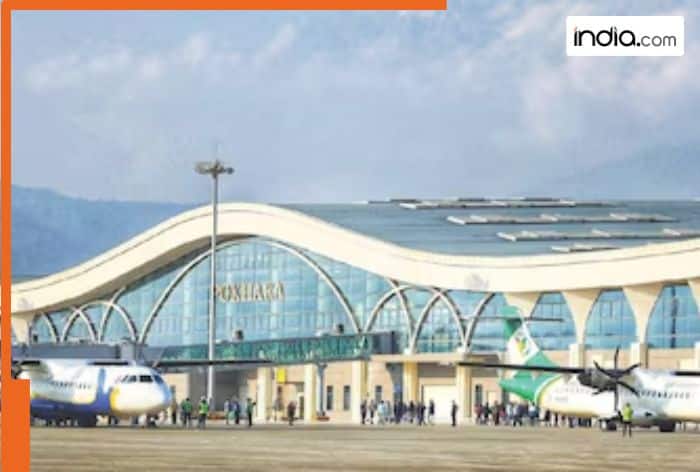
Pokhara International Airport is the third international terminal in Nepal, located in Gandaki Province. The airport commenced operations on January 1, 2023 and contains modern terminals, a two-thousand-five-hundred-meter-long runway and sufficient parking for one million annual passenger capacity.
Construction of Pokhara International Airport was finalised in 2013 after an agreement was reached between the Civil Aviation Authority of Nepal (CAAN) and China CAMC Engineering (a Chinese company). This project was largely funded through a loan from China Exim Bank; the loan amount was approximately NPR 22 billion ($215 million).
Source link

Leave a Reply