

Discover 10 must-try traditional Jordanian foods in 2025, from iconic Mansaf and Maqluba to sweet Kunafa. Explore Jordan’s rich culinary heritage and authentic local flavors.

Published: December 16, 2025 1:37 PM IST
10 must-try traditional Jordanian foods
1. Mansaf
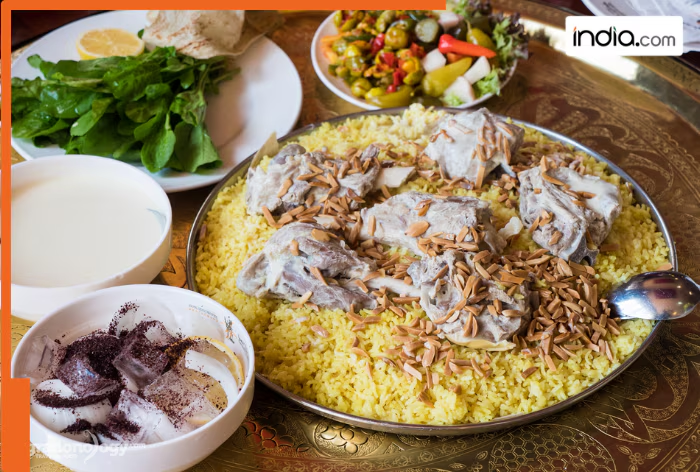
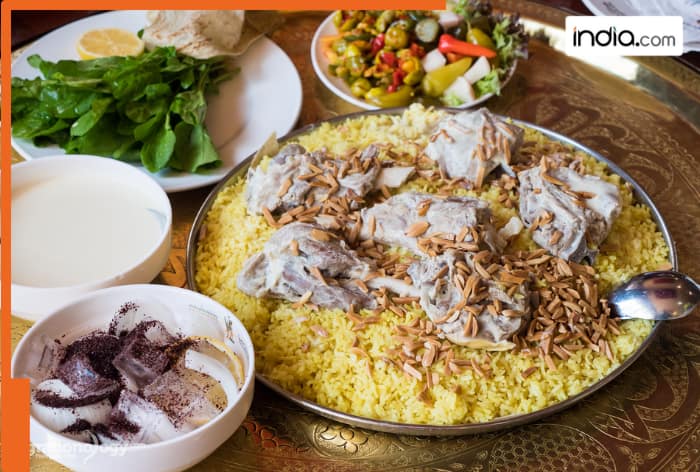
Mansaf is Jordan’s national dish and a symbol of hospitality. It is made with tender lamb cooked in fermented dried yogurt called jameed and served over rice and flatbread. Mansaf is usually shared during weddings, family gatherings, and special celebrations across Jordan.:max_bytes(150000):strip_icc():format(webp)/20221208-Mansaf-Mai-Kakish-hero-ec9c515c00d24b5c9ef567854036f044.JPG)
2. Maqluba
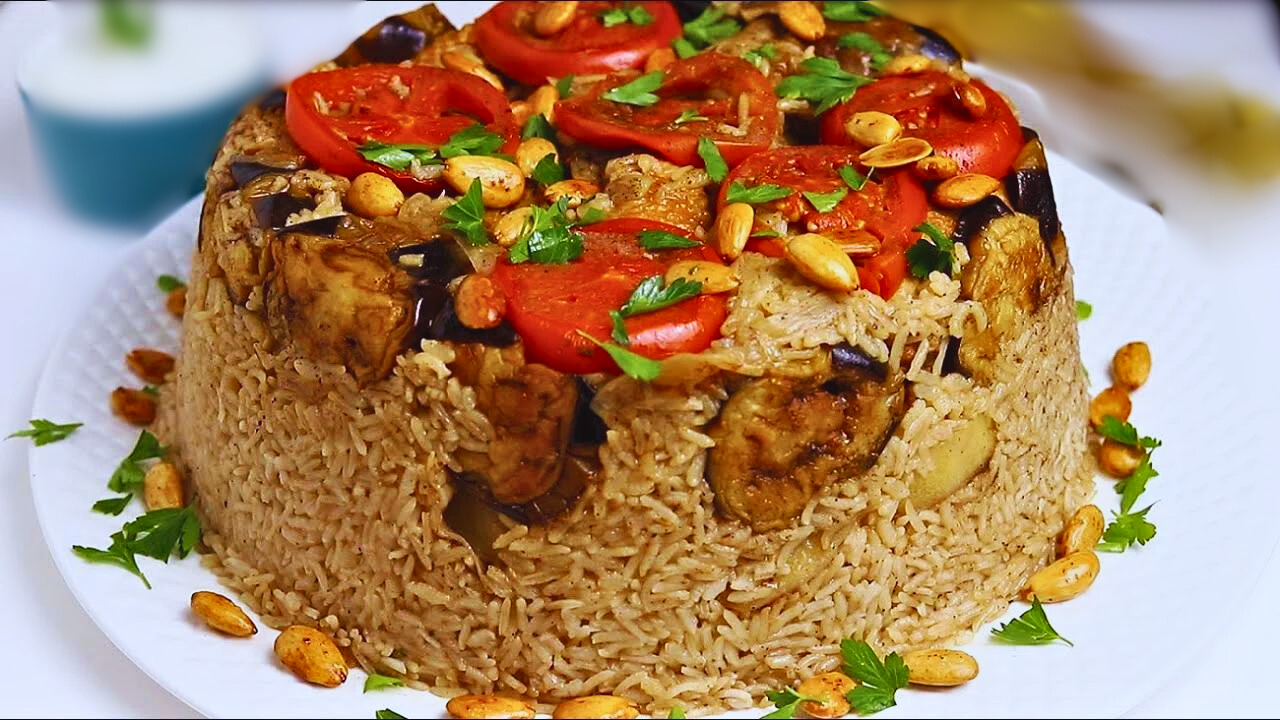
Maqluba is a famous Jordanian comfort food whose name means “upside down.” Rice, vegetables, and meat are cooked together, then flipped before serving. The dramatic turn makes it special. Families often prepare Maqluba for guests as a sign of warmth and welcome.Add India.com as a Preferred Source
3. Musakhan
Musakhan is a traditional dish made with roasted chicken, caramelized onions, olive oil, and sumac. It is served on thick taboon bread and eaten by hand. This flavorful dish is especially popular during olive harvest season and reflects Jordan’s love for local ingredients.
4. Foul Medames
Foul Medames is a common Jordanian breakfast dish made from slow-cooked fava beans. It is mixed with olive oil, lemon juice, garlic, and spices. Simple yet filling, it is often enjoyed with fresh bread and shared at home or in local cafes.
5. Hummus
Hummus is a staple in Jordanian cuisine and appears on almost every table. It is made from blended chickpeas, tahini, lemon juice, and garlic. Served with warm bread, hummus is enjoyed as a dip, side dish, or light meal throughout the day.
6. Falafel
Falafel is one of the most popular street foods in Jordan. These crispy balls are made from ground chickpeas, herbs, and spices. Falafel is usually served in pita bread with vegetables and tahini sauce, making it a favorite for quick and affordable meals.
7. Kibbeh
Kibbeh is a traditional dish prepared with minced meat, bulgur wheat, and aromatic spices. It can be fried, baked, or served raw depending on the recipe. Often made for special occasions, kibbeh shows the skill and care of Jordanian home cooking.
8. Galayet Bandora
Galayet Bandora is a simple yet flavorful tomato-based dish cooked with onions, olive oil, and sometimes beef or lamb. It is usually served hot in a pan and eaten with bread. This dish is common in homes and reflects everyday Jordanian flavors.
9. Kunafa
Kunafa is Jordan’s most loved dessert, especially during celebrations. It is made with soft white cheese, shredded pastry, and sweet sugar syrup. Crispy on the outside and soft inside, kunafa is best enjoyed warm and shared with family and friends.
10. Basbousa
Basbousa is a traditional semolina cake soaked in sugar syrup. It is soft, sweet, and often topped with almonds or coconut. Basbousa is commonly served with tea or coffee and is a popular dessert during gatherings and festive occasions. Together, these ten dishes offer a true taste of Jordan’s culture, history, and generous spirit in every bite, reflecting centuries of tradition, family values, and warm hospitality. From shared meals at celebrations to simple everyday foods, each dish tells a story of community, heritage, and the deep connection Jordanians have with their food.
Source link











Leave a Reply