

The Sri Lankan government has warned that if the conflict in the Middle East becomes protracted, it will become increasingly difficult for the country to emerge from the economic crisis it faced in 2022.

Published: March 22, 2026 7:57 PM IST
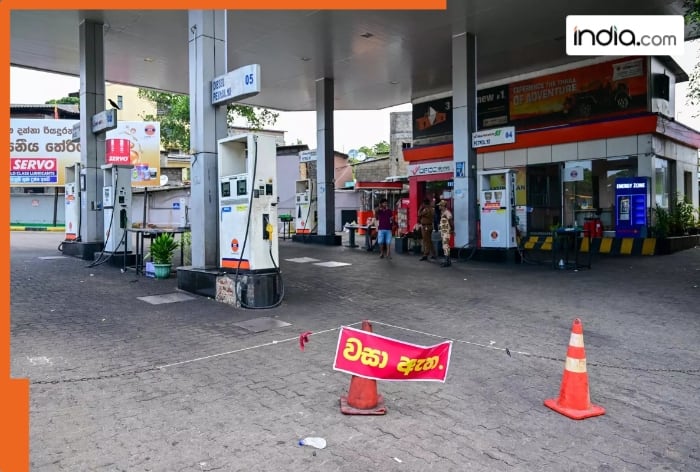
Work-from-Home Directives Issued to Conserve Fuel
An official from the Ceylon Petroleum Corporation (CPC) stated that the primary objective behind this significant price hike is to reduce the country’s fuel consumption by 15 to 20%. President Dissanayake had already issued an order last Wednesday mandating a four-day workweek for both government and private offices.Additionally, companies have been instructed to allow employees to work from home wherever feasible, in order to reduce vehicular traffic on the roads and conserve fuel.Add India.com as a Preferred Source
Strait of Hormuz blockade
The primary reason behind Sri Lanka’s current predicament is the ongoing conflict in the Middle East involving Iran, the United States, and Israel. As the conflict enters its fourth week, Iran has effectively blocked the ‘Strait of Hormuz.’This is the very maritime route through which approximately 20% of the world’s total oil exports typically pass during peacetime. Sri Lanka imports coal to generate all the electricity it requires and to meet its fuel needs; consequently, a disruption in supplies has raised the danger of the country running out of its existing stocks.Fears of a 2022-style ‘Default’ Resurface
The Sri Lankan government has warned that if the conflict in the Middle East becomes protracted, it will become increasingly difficult for the country to emerge from the economic crisis it faced in 2022. It is worth noting that in 2022—following the depletion of its foreign exchange reserves—Sri Lanka declared a ‘sovereign default’ on its foreign debt, which totalled $46 billion.Oil Imports from Singapore and Malaysia
Sri Lanka imports crude oil for its refinery operations from the Middle East, while relying on Singapore, Malaysia, and South Korea for refined petroleum products. The country’s sole oil refinery—originally built by Iran—is currently grappling with a shortage of crude oil. Just last week, the government began fuel rationing measures to ensure that adequate stocks remain available for essential services.Source link

Leave a Reply