

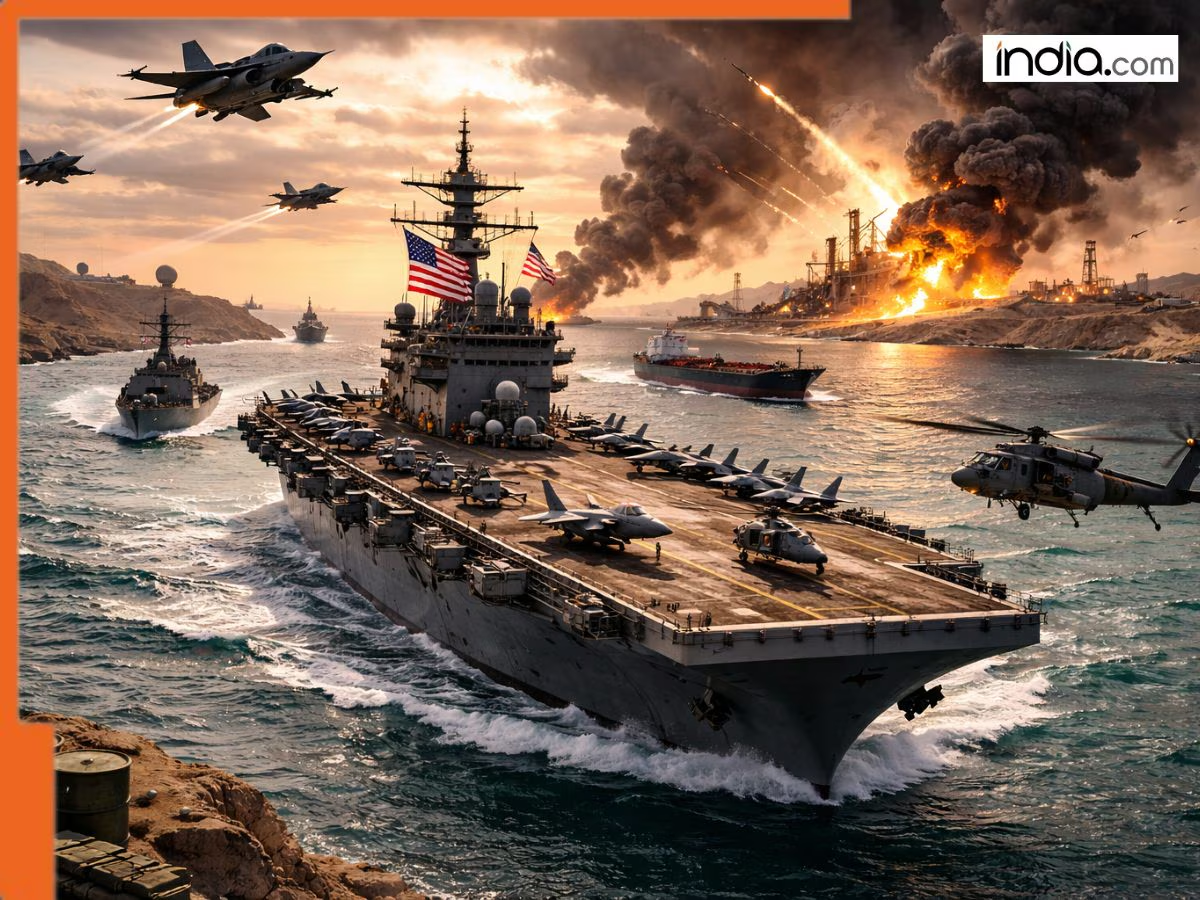
The US is deploying the USS Tripoli strike group to West Asia as tensions with Iran rise near the Strait of Hormuz, raising concerns over global oil supply and regional security.

Published: March 14, 2026 10:16 AM IST
USS Tripoli Deployed to West Asia With Marines
The U.S. Pentagon authorized the deployment of the USS Tripoli, a navy ship that transports special operations aircraft, helicopters, and thousands of Marines. It’s believed approximately 2,500 Marines will deploy with the ship to form a Marine Expeditionary Unit (MEU) destined for West Asia. U.S. Central Command (CENTCOM) requested the deployment to bolster military options in West Asia and provide additional support to U.S. troops already in the region. According to officials, the strike group will serve as an amphibious force with access to MV-22 Osprey aircraft if needed to provide air support, humanitarian support, and amphibious capabilities.Add India.com as a Preferred Source
Tripoli is currently deployed in the Indo-Pacific and could take days to arrive in the Middle East.
Also read: Why is the US operation against Iran called ‘Epic Fury’? Donald Trump reveals the story behind the powerful name
What’s Happening at the Strait of Hormuz?
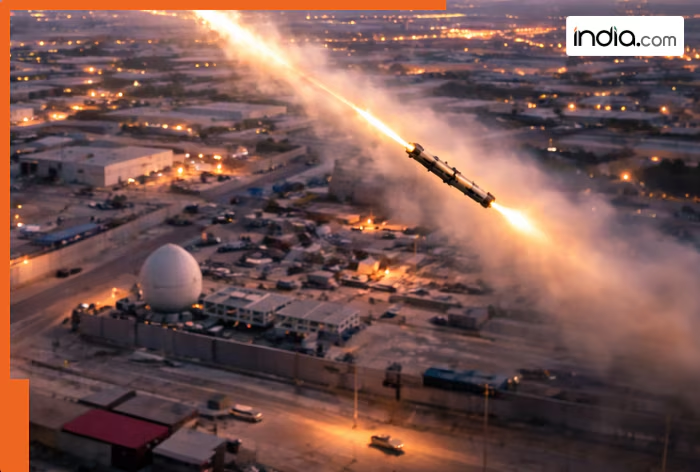
Tensions in the Strait of Hormuz have been rising since late February. Located between Iran and Oman, the Strait of Hormuz is one of the most important chokepoints for oil transport in the world. Approximately 20% of oil transported through water passes through the strait, linking oil coming from the Persian Gulf to the rest of the world. Shipping traffic has slowed in the Strait of Hormuz after several missile attacks and drone attacks as well as Iranian threats against commercial ships entering the waterway. Tanker traffic throughout the strait has significantly decreased as many companies avoid the risk of having their ships attacked. Analysts fear any extended slowdown will have dire consequences for the world’s energy supplies and could cause oil prices to surge.Iranian Conflict Continues to Escalate
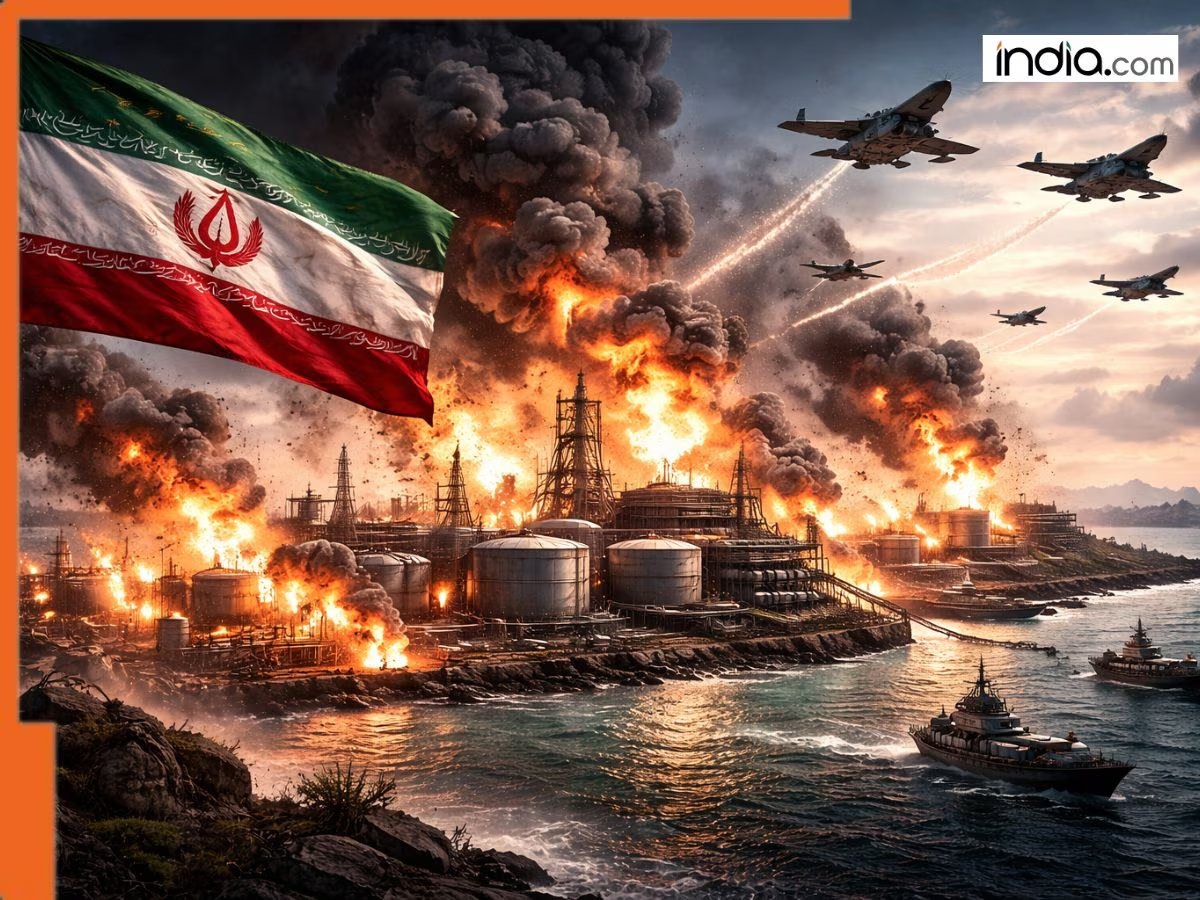
Tensions between the U.S. and Iran began earlier this year when the two countries bombed Iranian military bases. Iran then launched missile attacks and drone attacks on Israeli territory in retaliation. Since then, the conflict has spread throughout the region, with Israel, Iran-backed militants, and Gulf allies trading attacks. President Donald Trump announced Monday that Washington is prepared to attack Iran’s oil exports if they continue to threaten shipping in the Strait of Hormuz. Hours later, Iran warned it would retaliate against energy facilities should they be attacked by the U.S. and its allies. The increase in troops and military resources show that West Asia can expect escalations if a peaceful solution cannot be met.Global Energy Prices On Edge
Global markets have felt the impact of the recent attacks as Brent crude oil prices have surged. Without shipping through the Strait of Hormuz, countries around the world could potentially see massive disruptions to their energy supplies. “The Strait of Hormuz situation is as serious a threat to global energy security as we’ve seen in many years,” said Frank Tudor, founder of Proship Intelligence. “Addition ships and marines are a show of force to both protect shipping lanes and deter Iran from taking further action.”Source link






Leave a Reply