

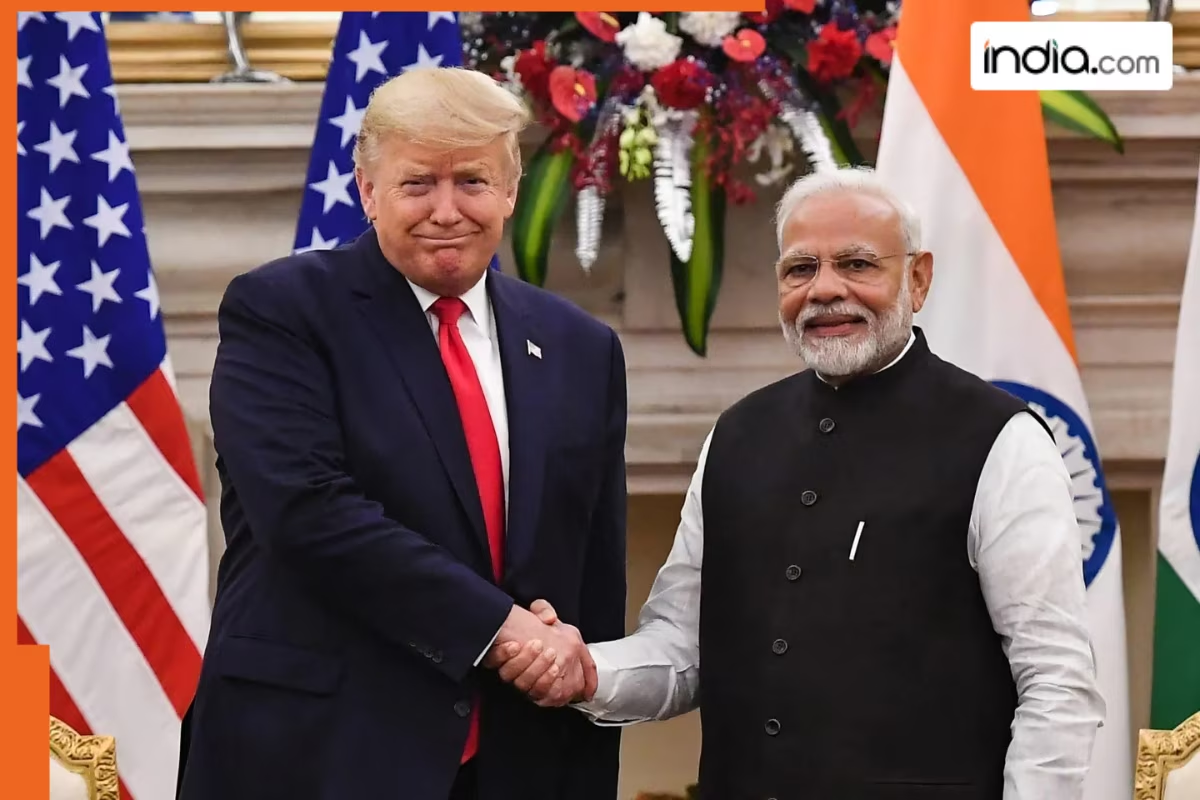
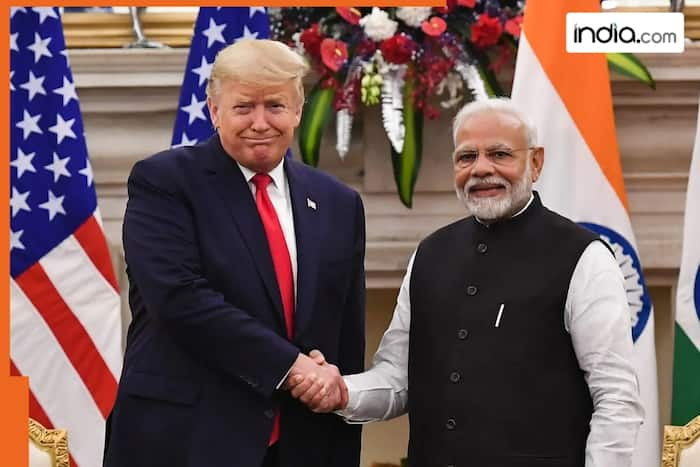
The changes came a day after Congress President Mallikarjun Kharge slammed BJP over the framework of the Interim Trade Agreement with Washington.

Published: February 11, 2026 11:21 AM IST
Add India.com as a Preferred Source
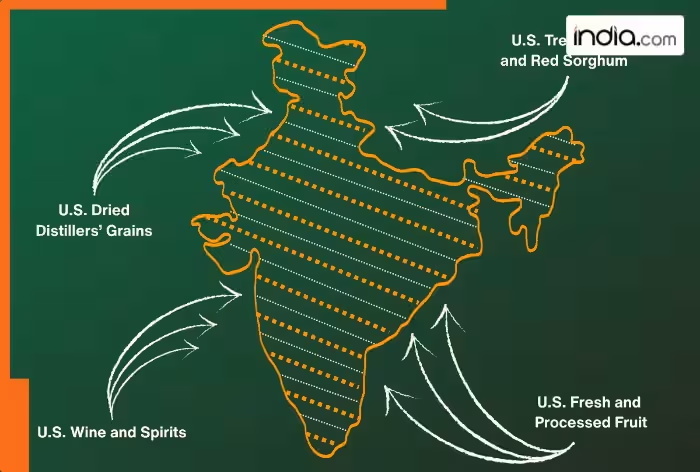
Notably, the version currently available on the White House website says India “intends” to buy more American products. It also omits the term “agricultural” from the list of product categories. Similarly, the earlier version noted that, “India will eliminate or reduce tariffs on all US industrial goods and a wide range of US food and agricultural products, including dried distillers’ grains (DDGs), red sorghum, tree nuts, fresh and processed fruit, certain pulses, soybean oil, wine and spirits, and additional products”.
In another significant change, the original factsheet mentioned, “India will remove its digital services taxes” and “committed to negotiate a robust set of bilateral digital trade rules that address discriminatory or burdensome practices and other barriers to digital trade”.
Congress Slammed the Modi Government over the Framework of the Interim Trade Agreement:
- The changes came a day after Congress President Mallikarjun Kharge slammed BJP over the framework of the Interim Trade Agreement with Washington.
- Kharge said the trade pact undermined India’s strategic autonomy, farmers, cattle, and the textile sector.
- He called the deal a “PR-wrapped betrayal” and questioned whether it protects India’s strategic and economic interests.
- The Congress leader raised concerns over agriculture, alleging that pulses and genetically modified (GM) feed, including dried distillers’ grains (DDGs) and red sorghum for animal feed, have been silently added to the deal.
- He noted that the White House factsheet on the deal mentioned conditions not included in the earlier Indo-US Joint Statement.
India’s Stand:
The Modi government has assured the interests of Indian farmers will be fully protected. Commerce Minister Piyush Goyal had pointed out that the farm sector hasn’t been opened fully and the sectors where India is self-sufficient have been kept outside the deal. “I can say with absolute certainty that our farmers, artisans, and handloom industry will not suffer any harm,” Goyal said at a briefing, describing the trade deal as “fair, equitable, and balanced.”Source link

Leave a Reply