

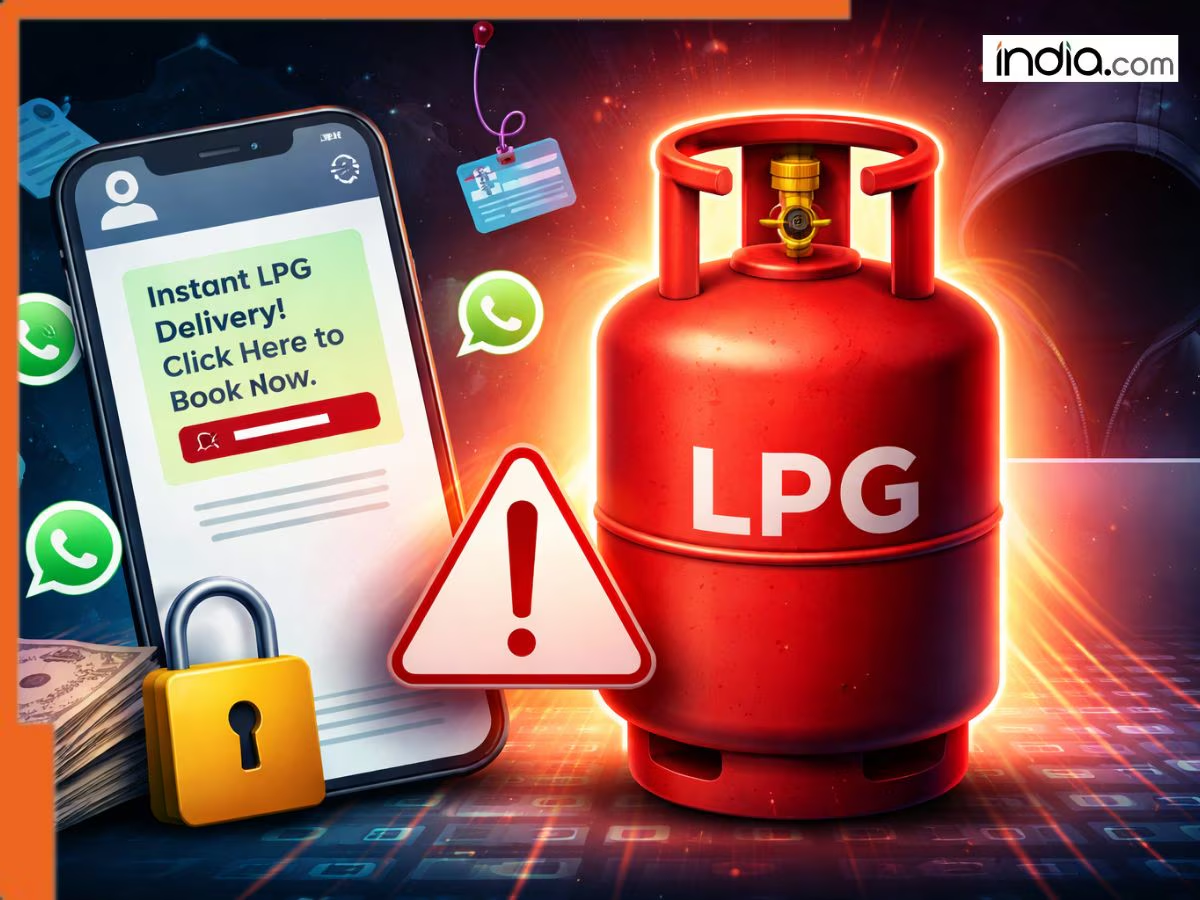
Cybercriminals are targeting LPG consumers through fake WhatsApp and SMS messages promising instant cylinder delivery. Authorities warn users to avoid suspicious links and book gas cylinders only through official platforms.

Published: March 13, 2026 7:54 PM IST

How Does The Cooking Gas Scam Work?
Investigations reveal that some fraudsters have been sending messages claiming there is a “gas supply shortage” and offering an “instant LPG cylinder delivery” or “next day refill service.” The message further includes a link which redirects users to a fake booking website where consumers are asked to enter their mobile number and address. Users are also asked to provide bank/UPI details in some cases. Once this information is submitted, users are asked to make an advance payment in order to avail quick delivery service.Add India.com as a Preferred Source
However, after consumers pay the money, fraudsters abscond, and no cylinder is delivered. Agencies say scammers are targeting people who panic at the thought of cooking gas shortage at their homes.
“These fraudsters create panic among consumers by sending messages that mostly look legitimate. Cyber criminals use names of reputed gas companies or lure netizens with keywords like emergency delivery, priority booking or extra cylinder supply,” say officials.
Also read: LPG Gas cylinder running low? Check the step-by-step guide to book an LPG cylinder via phone, WhatsApp, SMS, in just few minutes
Gas Shortage Panic Being Exploited By Fraudsters
Cyber experts suspect that fraudsters are leveraging panic over cooking gas shortage and creating a sense of urgency among consumers. Recently there have been rumours of gas shortage in certain parts of the country, which led to panic booking by netizens. Moreover, there has also been an increase in online searches with queries like booking LPG cylinder, which suggests that many consumers are looking to refill gas. Fraudsters can create and target such audiences easily by sending them direct messages. These WhatsApp forward messages are also creating a sense of urgency by asking consumers to book refills before the stocks run out. The cyber scam warning was issued after agencies received multiple complaints regarding fake booking links shared on social media sites. Moreover, there are fake advertisements on social media promising cashbacks on LPG bookings or cheap cylinders.How To Spot a Fake LPG Booking Message
Authorities have listed a few pointers that can help you spot a fake cooking gas message:- Messages offering next day or instant delivery service.
- Messages with links redirecting to unknown websites.
- Fraudulent messages with keywords like emergency delivery or additional supply.
- Messages from unfamiliar numbers masquerading as gas agencies or distributors.
- Authorities Say Legitimate agencies do not direct consumers to fill up their details on random websites.
Tips To Avoid Getting Duped
Here’s what you can do to steer clear of such cooking gas scams:- Always book LPG refills through official apps or websites or through distributor helpline numbers.
- Never reveal your OTP or UPI PIN or bank details to anyone.
- Do not click on suspicious links offering emergency deliveries.
- Report cyber fraud messages to national helpline number 1930 or cybercrime.gov.in
Source link









Leave a Reply