


The price of petrol and diesel has been surging across Europe amid the Iran-Israel war. In the middle of this, petrol and diesel prices have been low even as it rose exponentially in Europe. Here’s how

Published: April 3, 2026 4:53 PM IST
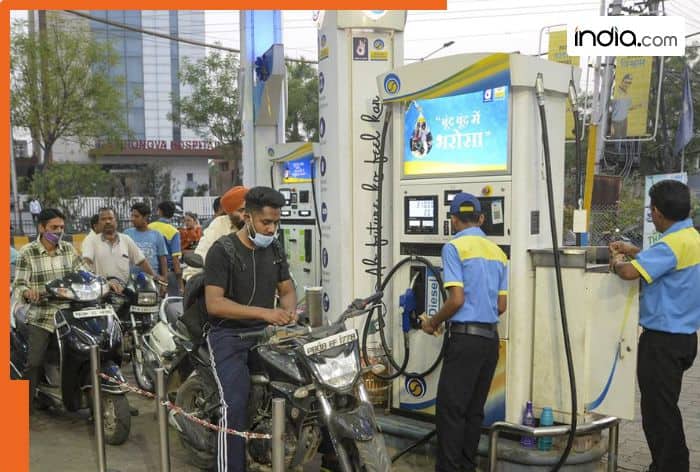
Gas prices have been on the rise across the world following the war in West Asia and the closure of the Strait of Hormuz. This has resulted in a surge of prices by nearly 70 per cent, intensifying volatility in global energy markets. In a bid to control the surge in prices, Russia has imposed a gasoline export ban effective from April 1.
Since the Iran-Israel War, energy markets have been acutely destabilised across the world. Inflation in the Eurozone rose from 1.9 per cent to 2.5 per cent, driven mainly by a 4.9 per cent increase in energy costs. Even as crude prices surged by Rs 74 and supply risks emerged in the Strait of Hormuz, India successfully contained the impact on consumers.
Amid all this, India has been trying to keep its prices low even as the prices of fuel rise exponentially in Europe.
The reason behind the divergence
The shock in fuel prices originated at the critical chokepoint, the Strait of Hormuz, which contributes to nearly 25 per cent of global oil flows transit. Following Israel and US attacks on Iran on February 28, Tehran blocked the chokepoint in early March.

Disruptions pushed Brent crude from around USD 70 to over USD 120 per barrel. In consequence, European gas prices also rose by 50 per cent while retail fuel prices increased sharply. Germany saw petrol rise 18 per cent, Spain 34 per cent, and Portugal’s diesel rose nearly 17 per cent.
In the middle of all this, India’s was also impacted.
Impact on India
India’s crude oil import dependence stands at 88 per cent, while LPG imports accounted for 60 per cent of consumption, of which roughly 90 per cent transits through Hormuz. More than 100 million households depend on subsidised LPG through the Pradhan Mantri Ujjwala Yojana (PMUY) , making this reliance particularly important.
There were early warning signs of strain, as LPG imports dropped to 2,65,000 metric tonnes from 3,22,000, while the Gulf’s contribution fell from roughly 60 per cent to 34 per cent. In usual circumstances, this would have led to a sharp increase in retail prices.
Yet, the surge in prices did not affect the country, unlike The other economies. Petrol and diesel prices remained largely unchanged, and LPG saw only a limited increase.
This has left many wondering why there has been no domestic price instability.
Why do prices remain unchanged in India?
India responded first by adapting on the supply side, rapidly expanding its import base. Notably, this shift wasn’t improvised but built on existing procurement frameworks.
The US emerged as an important marginal supplier of LPG, with pre-contracted volumes of roughly 2.2 million tonnes per year, accounting for nearly 10 per cent of India’s import basket. Meanwhile, India’s imports of crude oil from Russia rose to 45-50 million barrels since the beginning of the war. This is expected to go up to around two million bpd. This was acquired via the Cape of Good Hope, thus bypassing the Hormuz-related disruptions.
India has also been taking supplies from Nigeria and Angola. However, these flows were costlier due to the longer transit route. Argentina has also supplied LPG to India. Thus, India’s resilience to the crisis came from its diversified import portfolio.
Price containment
Even after securing the supply, global price escalation remained unavoidable. Here’s when India played its second card – decouple global price shocks from domestic retail prices through a combination of fiscal absorption and administrative controls.
Under-recoveries of nearly Rs 40,000 crore were borne by Oil Marketing Corporation (OMCs), even as the government offered compensation of about Rs 30,000 crore. PMUY subsidies added an extra layer of protection for vulnerable families.
Measures were even stronger in petrol and diesel pricing, where the government slashed excise duty by Rs 10 per litre, brought diesel duties down to almost zero, and introduced export levies to channel supply into the domestic market.
Will this last?
As highly visible and frequently tracked indicators, petrol and diesel prices often reflect economic strain, encouraging government intervention. Still, the system has its limits, as private firms such as Nayara Energy have increased prices, highlighting gaps in control.
India tackled the 2026 energy shock through a comprehensive and coordinated policy framework, limiting how global disruptions affected the domestic economy. By intervening across key areas, the state absorbed the impact rather than letting it hit consumers directly.