

#HumFitTohIndiaHit: Men often put off doctor visits or ignore symptoms, influenced by societal expectations and fear of appearing weak. Understanding these patterns can help improve early intervention and overall wellness.

Published: March 23, 2026 10:52 PM IST
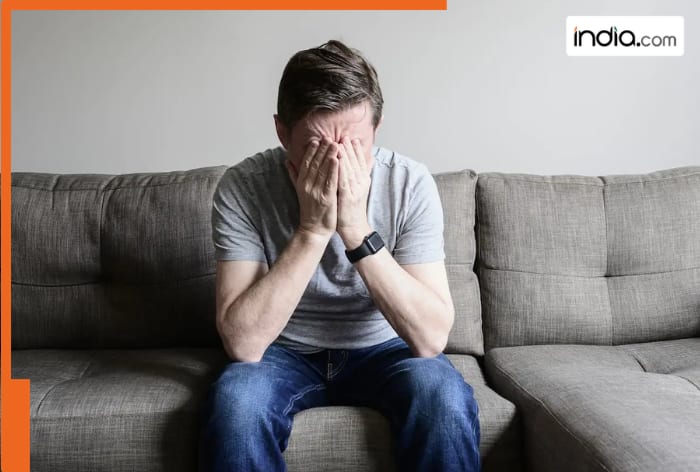
Mental health stigma and its hidden impact
Mental health stigma refers to the negative attitudes society holds toward mental illness. For men, this often translates into pressure to appear strong and self-reliant. Seeking help may be seen as a weakness, leading many to ignore mental stress. Unaddressed mental strain can manifest physically through fatigue, headaches, high blood pressure and sleep disruption. Men may avoid medical appointments because they fear being judged or misunderstood. This avoidance creates a dangerous cycle where mental health issues go untreated while physical symptoms worsen silently.How do societal expectations influence health choices?
From early childhood, many boys are taught to suppress emotions and “tough it out.” While resilience is valuable, emotional suppression can prevent men from recognizing health risks. Peer pressure and social norms often reinforce this mindset.Add India.com as a Preferred Source
Men may ignore minor injuries, skip screenings for blood pressure, cholesterol or prostate health and delay seeking treatment for chronic conditions. This is not simply denial; it is rooted in fear of appearing vulnerable or dependent.
Connection between stress and physical health
Mental stress directly affects physical wellbeing. Chronic stress can weaken immunity, increase inflammation and raise risk of heart disease. Men who avoid addressing stress may also neglect nutrition, exercise and sleep. Preventive care such as routine checkups is often postponed because it forces confrontation with personal vulnerability. Early intervention could prevent long-term complications, but stigma makes even minor health concerns feel overwhelming.Breaking the Cycle
Encouraging open conversations about mental health is key. Family, friends, workplaces and media can challenge stereotypes and normalize help-seeking behavior. Education about preventive care benefits and how mental wellbeing supports physical health can empower men to act before conditions become serious. Small steps such as scheduling annual checkups, sharing stress concerns with trusted people and seeking therapy can prevent avoidable health crises.Key Takeaways
- Stigma around mental health discourages men from seeking help early
- Suppressed emotions and cultural expectations contribute to health neglect
- Chronic stress affects immunity, sleep, heart health and overall physical wellbeing
- Preventive care and early intervention can save lives
Source link

Leave a Reply