

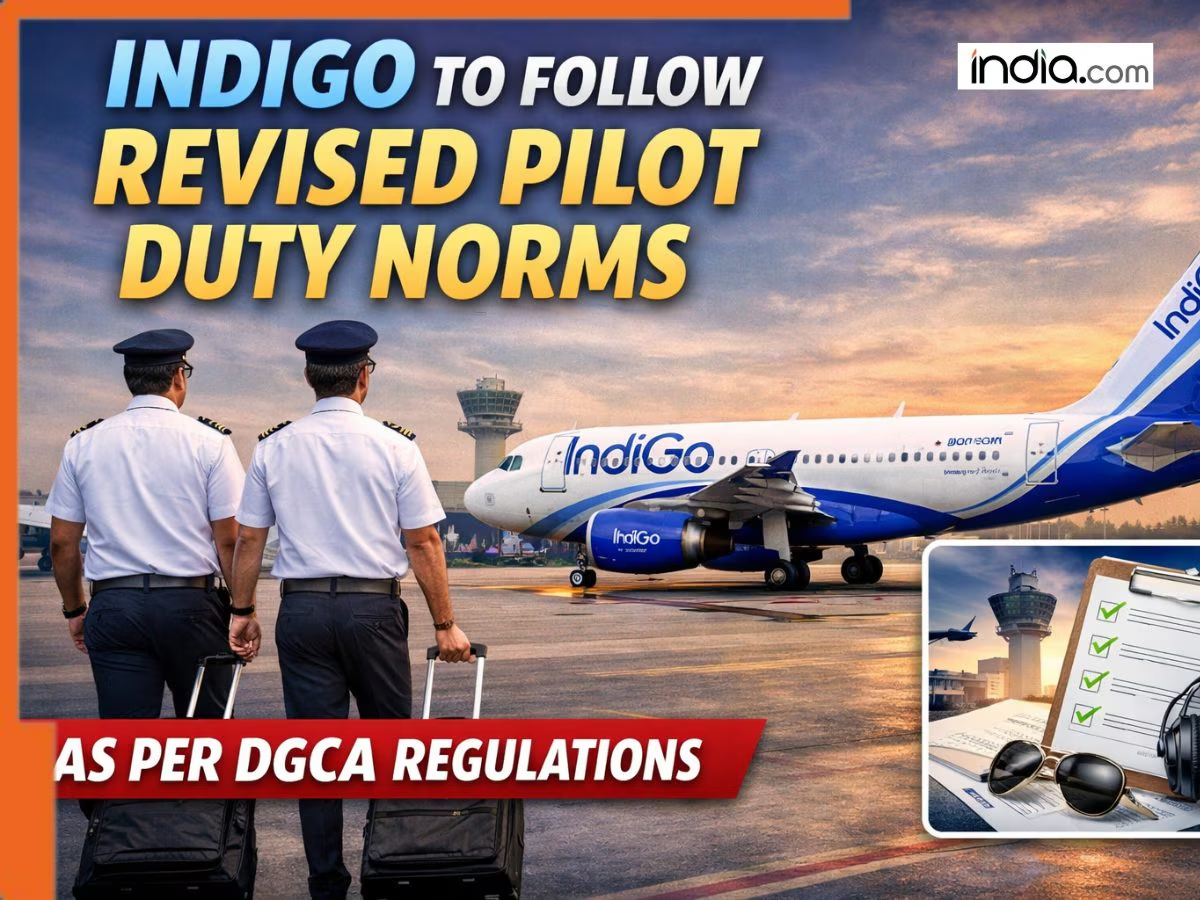
IndiGo begins full compliance with revised DGCA pilot duty norms from February 11, ending temporary exemptions and reinforcing flight safety through stricter rest regulations and improved crew scheduling systems.

Published: February 11, 2026 3:59 PM IST
The changes in norms
In accordance with the FTL framework rules, airlines must strictly enforce limits on pilots’ duty hours, rest requirements, and night duties to mitigate fatigue and increase aviation safety. The framework modifies regulations around rest blocks and circadian cycle to account for pilot fatigue. For IndiGo, the exemptions that were earlier granted allows it to not class night hours between 11 pm and 6 am as night duty, nor account those hours towards its night-cap of 11 flight duties in a rolling 28-day period. However, rest requirements were also waived for IndiGo.Add India.com as a Preferred Source
Reviewing exemptions for IndiGo
In December last year, IndiGo experienced significant disruption after going phased with FTL norm compliance. Starting December 5, IndiGo cancelled thousands of flights over the course of several days, at peak leaving over two million passengers stranded. The DGCA eventually granted IndiGo until February 10 with certain exemptions from the rules. This was to allow IndiGo time to “optimise crew rostering, hire more pilots and build better rostering teams,” according to DGCA officials. DGCA officials assigned compliance inspectors at airports and IndiGo’s operation control centre to oversee the period.No problems going forward: IndiGo
IndiGo told the DGCA that it has put in place all the operational, rostering and monitoring measures needed to operate as per requirements under the FTL framework. A spokesperson for IndiGo told: “We have adequate pilots and crew to operate our existing schedule and comply with the regulations going forward.” Aviation regulator DGCA had in November maintained that safety was a priority before deciding to revoke IndiGo’s exemptions.DGCA ending exemptions with IndiGo may indicate intent
Fatigue and duty time limitations continue to be an important factor airlines cite when dealing with disruptions. Industry bodies and pilot unions had argued that duty-time regulations will help address pilot fatigue – one of the human factors in air accidents.Source link











Leave a Reply