


US health authorities revise childhood vaccine guidelines, reducing the number of doses recommended for children under the updated schedule.

Published: January 6, 2026 10:30 PM IST

What changed in the vaccine schedule?
As per reports, under the new guidance, the Centers for Disease Control and Prevention (CDC) has lowered the number of vaccines it universally recommends for all children from 17 to 11. This means that several vaccines that were once recommended for every child—such as those for rotavirus, seasonal influenza (flu), hepatitis A and B, respiratory syncytial virus (RSV), and certain meningitis strains, are no longer broadly advised for all kids. Instead, these vaccines are now recommended only for children at high risk or based on “shared clinical decision-making” between families and their healthcare providers.Why has this decision been taken?
Health officials say the overhaul aligns US practice more closely with the vaccine schedules of some other developed countries and may help rebuild trust in vaccination programs. The change followed a presidential memorandum directing the Department of Health and Human Services and the CDC to review how peer nations structure their childhood immunization schedules. After comparing schedules and the evidence behind them, officials moved to revise the guidance while asserting that no vaccines were removed entirely and all will remain available.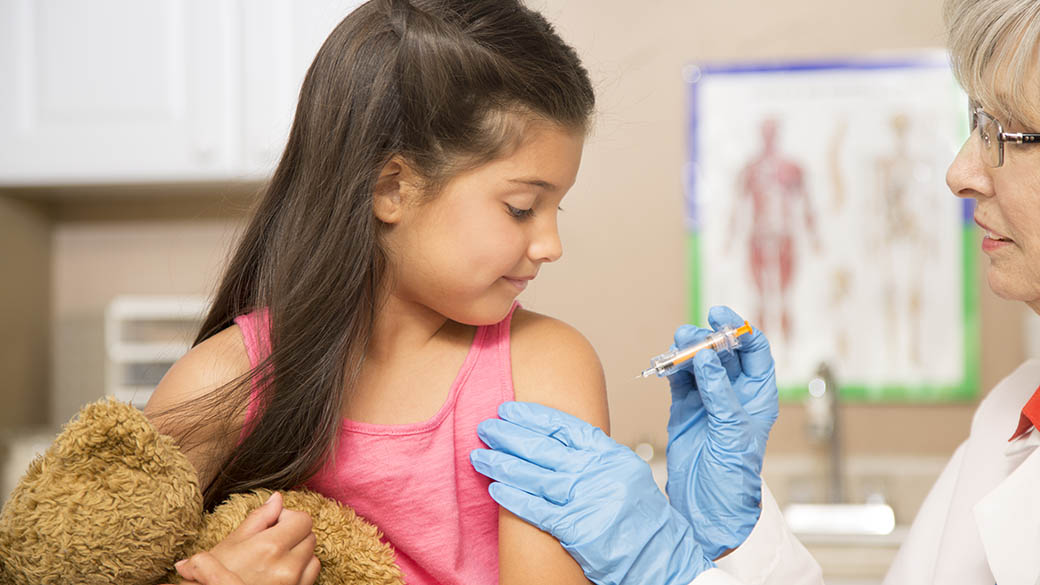
Add India.com as a Preferred Source
About the new categories
The revised framework divides immunizations into three categories: those recommended for all children (such as vaccines for measles, mumps, rubella, polio and human papillomavirus), those for certain high-risk groups, and those based on shared clinical decision-making with a healthcare provider. Under this model, families and doctors are encouraged to discuss vaccine needs and make choices based on individual risk factors and medical history.
What are the reactions?
The changes have prompted mixed reactions. Some public health officials and pediatricians worry that reducing routine vaccine recommendations could lead to confusion and lower vaccination rates, which, in turn, might increase the risk of outbreaks of preventable diseases. Others say the shift could give parents greater control and personalization in vaccine decisions after discussions with doctors.Source link









Leave a Reply