

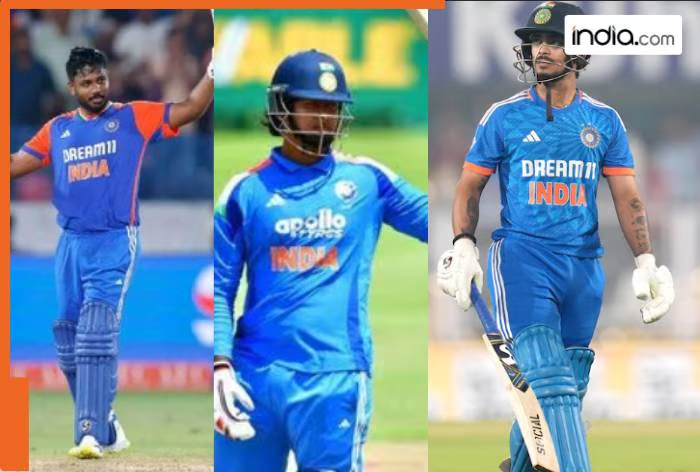
14-year-old Vaibhav Suryavanshi’s rapid rise sparks T20I selection debate, as India weighs powerplay firepower, squad balance, and bold choices ahead of the 2026 World Cup.

Published: January 7, 2026 11:19 PM IST
Add India.com as a Preferred Source
If the selection committee picks Vaibhav Suryavanshi into the senior T20I setup, his role is clear an attacking opener tasked with maximising the powerplay.
Where should Suryavanshi bat if he is included in the squad?
Suryavanshi should open the innings, where his impact is most pronounced. Against the new ball, he applies instant pressure on opposition captains. Even at the youth level, the approach has been consistent. Could he bat No. 3 to extend the powerplay? Yes, if India wants to stick with an established opening pair. However, his greatest impact still comes as an opener, as it allows him to face more deliveries during the phase where boundary-hitting has the biggest influence on the game.Sanju Samson making way for Suryavanshi seems the simplest option
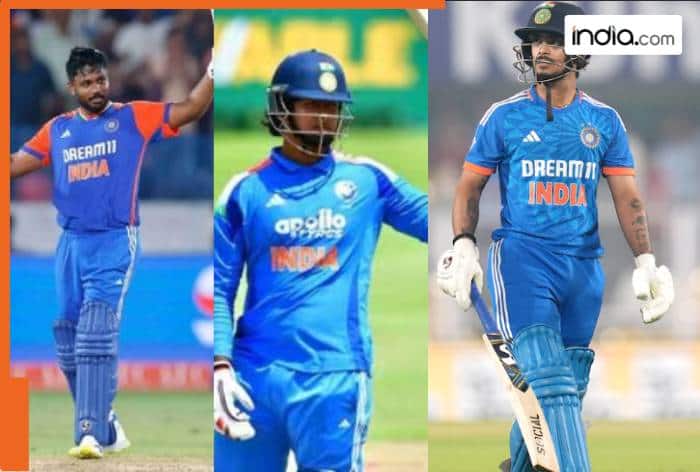
Currently the Indian squad has double wicketkeeper-batter options, while India can address the keeping duties separately. In that scenario, Sanju Samson making way for Suryavanshi seems the simplest route to ease the teenager into the setup. However, India’s T20 World Cup 2026 squad already includes Abhishek along with two wicketkeeper-batters, Sanju Samson and Ishan Kishan, which puts overall squad balance at the heart of the selection dilemma. If India wants to bring Suryavanshi into the playing XI without compromising depth, one clear option is to leave out Samson and shift Ishan Kishan into the dual role of first-choice wicketkeeper and No. 3 batter. If Vaibhav Suryavanshi and Abhishek Shrarma opens the innings, India can go harder in the Powerplay. As a result, players like Rinku Singh and Hardik Pandya can be used as impact accelerators rather than firefighters, allowing India to dictate the tempo instead of reacting to it.Suryavanshi’s inclusion will reshape how India approach the powerplay
If India picks Suryavanshi while retaining an additional wicketkeeper in the middle order, another player’s spot inevitably comes under pressure. That could push Dube into a more conditions-based role, or India may choose to keep him and drop a specialist batter instead, banking on Suryavanshi’s powerplay impact to lessen the dependency on late-overs rescue acts. Suryavanshi’s inclusion will reshape how India approach the opening six overs, promoting bolder batting plans, forcing opposition captains to retreat into defensive field settings early, and easing pressure on the rest of the line-up as the run rate tilts in India’s favour.Source link











Leave a Reply