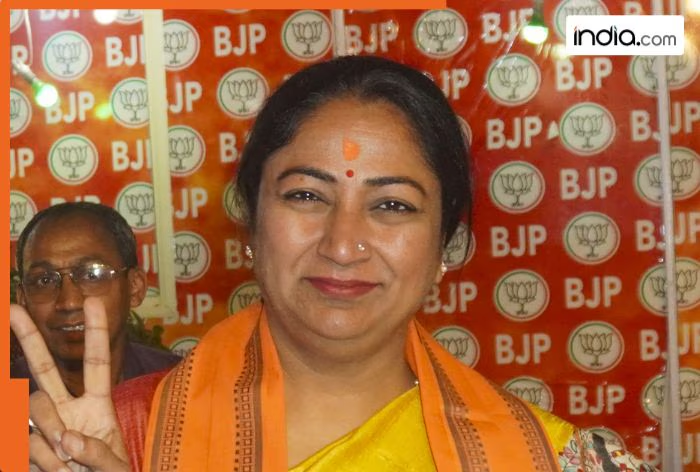
Delhi CM Rekha Gupta stated that women in the country have faced a long journey to attain dignity and equal rights in their own nation. She also praised the NDA governments for appointing women to significant cabinet roles

Published: April 13, 2026 4:22 PM IST
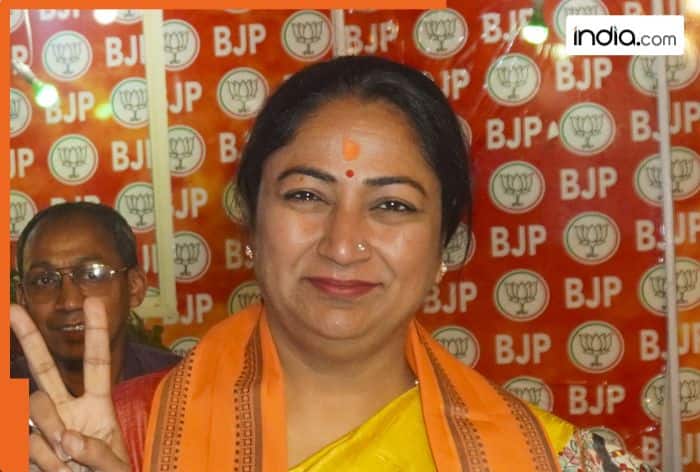
Delhi Chief Minister Rekha Gupta on Monday expressed support for the Centre’s initiative to operationalise the Nari Shakti Vandan Adhiniyam, 2023, through the proposed Amendment Bill. She stated that 33 per cent reservation for women in the Lok Sabha and state legislatures will advance women’s empowerment on autopilot.
The Parliament is scheduled to hold a three-day special session starting April 16 to consider the Amendment Bill and Delimitation Bill that aim to implement the one-third reservation for women legislators. She went on to praise the initiatives by the Prime Minister Narendra Modi-led central government and said, “Today, women in India have established a distinct identity. There was a time when the existence of daughters was under threat, but under the leadership of the Hon’ble Prime Minister, the country has moved beyond “Beti Bachao, Beti Padhao” to the era of “Beti Badhao.”
Reflecting on the progress towards women’s equal rights in India, she stated that women in the country have faced a long journey to attain dignity and equal rights in their own nation. She also praised the NDA governments for appointing women to significant cabinet roles.
National Commission for Women Chairperson Vijaya Rahatkar stated that Prime Minister Modi realised former Prime Minister Atal Bihari Vajpayee’s vision of one-third reservation for women in Parliament. She said, “Atal Bihari Vajpayeeji had said, ‘Women hold up half the sky, so shouldn’t they hold at least one third of the political ground?’ Prime Minister Narendra Modi has fulfilled his visionary idea with this Nari Shakti Vandan Adhinyam.”

Women’s reservation under the Nari Shakti Vandan Adhiniyam is linked to the next census and delimitation process. However, due to delays, the government plans to use the 2011 census data, which could lead to Lok Sabha seats increasing from 543 to 816. To enforce women’s reservation, the government intends to introduce two major amendments, one of them a separate Delimitation Bill, both requiring Constitutional approval. The legislation does not provide for OBC reservation, though SC/ST quotas will remain unchanged.
Key highlights from CM Rekha Gupta’s speech:
- Women’s power lies at the core of India’s progress, development, and global recognition.
- Today, women in India have established a distinct identity. There was a time when the existence of daughters was under threat, but under the leadership of the Hon’ble Prime Minister, the country has moved beyond “Beti Bachao, Beti Padhao” to the era of “Beti Badhao.”
- Every scheme of Prime Minister Shri Narendra Modi places women’s dignity and safety at its center. Initiatives like toilets under the Swachh Bharat Mission, smoke-free kitchens through the Ujjwala Yojana, and financial inclusion via Jan Dhan accounts have been milestones in ensuring women’s dignity.
- Today, daughters are not only excelling in education and nutrition but are also defending the country by flying fighter jets in the armed forces.
- The Nari Shakti Vandan Adhiniyam is the foundation of women-led development.
- This Adhiniyam will pave the way for empowered leadership for nearly 70 crore women in the country.
PM Modi on Women’s Reservation Act
Prime Minister Narendra Modi on Monday said Parliament is close to creating “new history” when the Women’s Reservation Act will be amended this week for its implementation in 2029.
The enactment of the law will realise the visions of the past and fulfil the resolutions of the future, he said at the ‘Nari Shakti Vandan Sammelan’ here ahead of a three-day sitting of Parliament, where the amendments to the women’s quota law are expected to be brought for consideration and passage.
“Our country’s Parliament is close to creating a new history. A new history that will realise the visions of the past; that will fulfil the resolutions of the future. A resolve for an India that is egalitarian, where social justice is not merely a slogan, but a natural part of our work culture, our decision-making process,” he said at the conference.
He also said that when the law was introduced in 2023, it was passed unanimously by all parties, and there was a collective demand, particularly from the opposition, for its implementation by 2029. The Prime Minister said from the state assemblies to the country’s Parliament, the time to end decades of waiting is April 16, 17, and 18 — when the extended Budget session has been scheduled for the consideration and passage of the amendments.