“Unfollowing” is becoming a new form of protest among Gen Z. A similar trend was recently observed with Raghav Chadha, where Gen Z appeared to distance themselves silently. This shift demonstrates a shift in thinking from traditional politics.

Published: May 2, 2026 11:02 AM IST
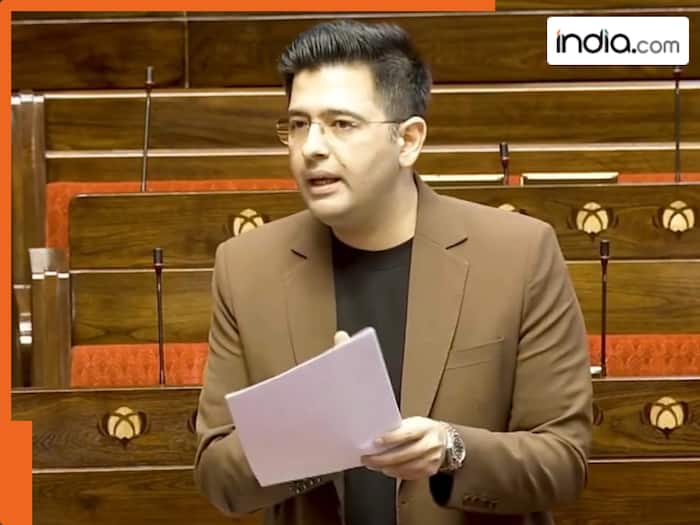
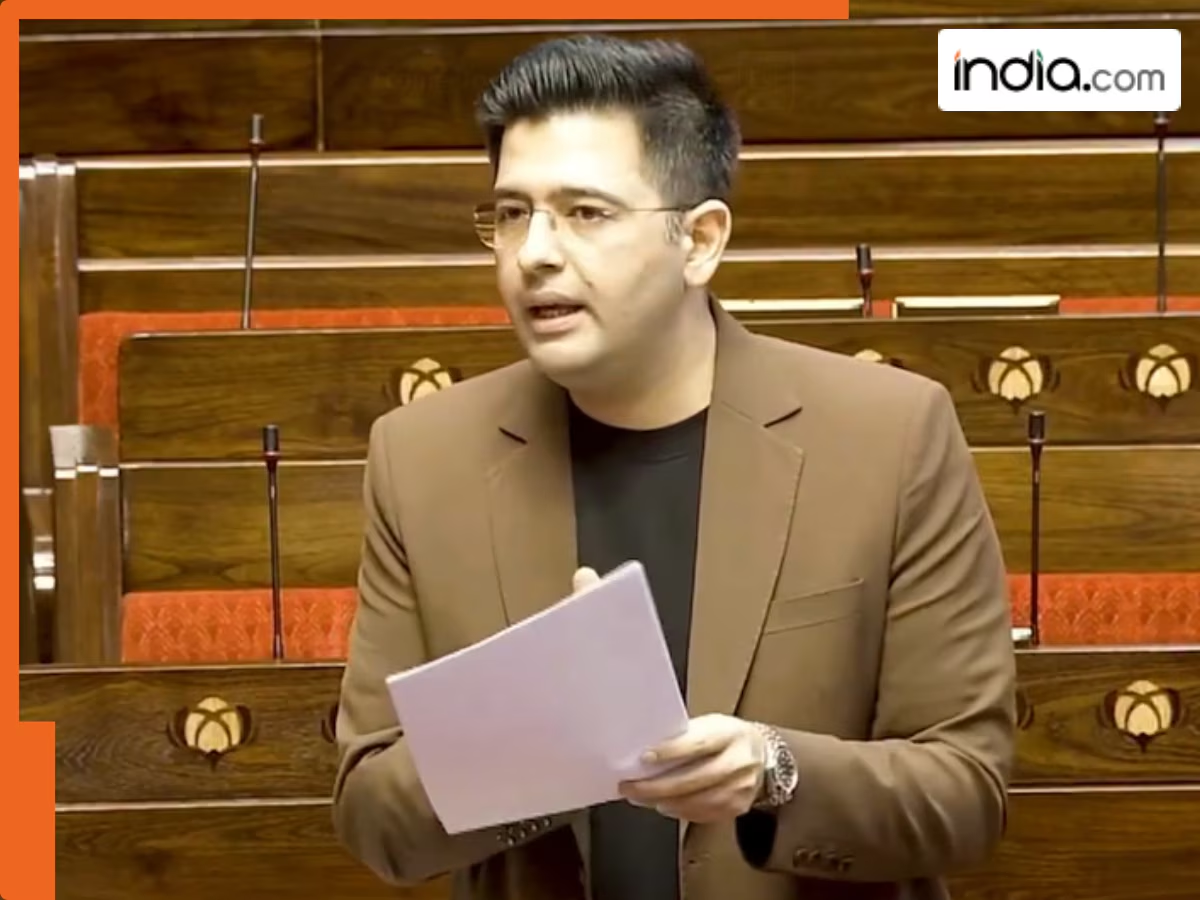
Ever since Raghav Chadha left the Aam Aadmi Party (AAP) and joined the BJP, his social media following has steadily dwindled. This incident has raised many questions: Why are Gen Z members unfollowing him? Indeed, taking to the streets to protest is no longer necessary. The new generation has changed its language, and this language is very quiet but effective. One click, one tap, and “unfollow”—this is becoming the new way to express dissent.
A similar trend has been observed in the Raghav Chadha case. Chadha, once considered the face of youthful, clean, and sensible politics, is now facing a different kind of digital backlash. Interestingly, there are neither big hashtags nor uproar, but rather a silent distance. This trend suggests that Gen Z no longer engages in debates to express displeasure, but quietly distances itself. This change is redefining the relationship between today’s politics and the digital world.
Raghav Chadha was one of those leaders who initially established a special identity among the youth. His simplicity, calm nature, and issue-focused politics set him apart. But now, that same youth seems to be distancing themselves from him. The question isn’t why people are angry, but rather why they are silently withdrawing. This shift isn’t limited to one leader; it reflects how Gen Z views politics. For them, engagement isn’t permanent. It changes with time and image. This is why today, “unfollow” has become a digital protest of displeasure, disagreement, and shifting trust.

‘Unfollow-Raghav’ became viral
The day before his resignation, Chadha had over 14.6 million followers. However, after his Friday address along with AAP MPs Ashok Mittal and Sandeep Pathak, his Instagram account seems to have lost several followers. At 2 PM on Saturday, Raghav Chadha’s Instagram account has only 13.5 million followers. This means he has lost over 1.1 million followers. As on May 2, just a week over his exit from AAP, he has 12.1 million followers on Instagram.
Why was Raghav Chadha different in the pack of AAP leader?
Raghav Chadha established himself as a leader who stood out from conventional politics. Initially, his biggest strength was that he didn’t seem like a typical politician. He wasn’t overly aggressive, nor was he quick to comment on every issue. His conversational simplicity appealed to young people. Viral moments like “Blinkit” also presented him as a “normal” person.
His personal life with Parineeti Chopra also attracted attention, though this wasn’t the primary reason. The real connection was forged through his public image, which seemed comfortable and relatable.
But in politics, image changes very quickly. The same thing that elevates you can also bring you down. The trend we’re seeing now is more a sign of distance than anger. People aren’t arguing, they’re quietly withdrawing.
Experts believe that Gen Z is quick to pick up on any sense of disconnect. If they sense a leader is no longer the same, they react quickly. This reaction isn’t swift, but it’s clear.
Decoding Gen Z’ political loyalties
The most distinctive feature of Gen Z is that it doesn’t believe in traditional loyalty. While people used to connect with a leader or party once, this connection has become temporary. Gen Z’s perspective is simple: as long as you’re relatable, you’ll have support. As soon as that connection weakens, people retreat. This shift poses a challenge for leaders. It’s no longer enough to simply build an image; it’s also crucial to maintain it consistently.