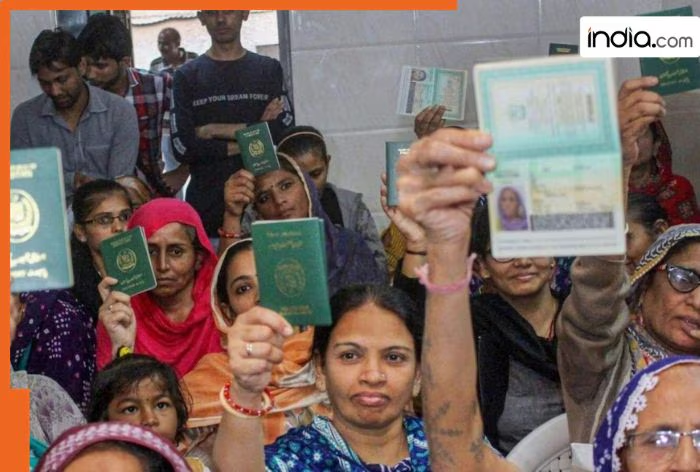
CAA Rules Changed: Now, Hindus, Sikhs, Jains, Buddhists, and Parsis coming to India from Pakistan, Bangladesh, and Afghanistan will be required to declare whether they hold a valid or expired passport from these countries.

Updated: May 19, 2026 11:10 AM IST
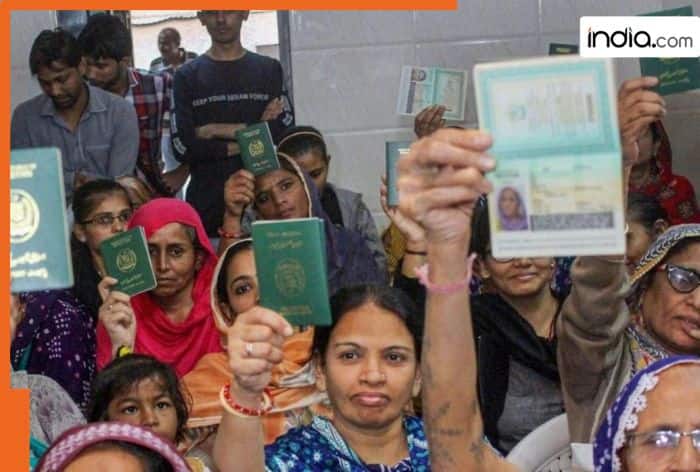
CAA rules: The central government has further tightened the process for obtaining Indian citizenship under the Citizenship Amendment Act (CAA). The Home Ministry issued a new notification on Monday, mandating additional disclosures for religious minority applicants from Pakistan, Bangladesh, and Afghanistan. Now, Hindus, Sikhs, Jains, Buddhists, and Parsis arriving in India from these countries will be required to disclose whether they hold a valid or expired passport from these countries. If they do, they must provide complete details and surrender the passport within 15 days of receiving it.
This decision by the Home Ministry is being considered a major step towards increasing transparency and security in the CAA process. According to officials, several cases have been reported in recent times in which some applicants were found to have old or invalid foreign passports. Dual citizenship and holding two passports are not permitted under Indian law. Therefore, the government now wants to ensure that no one can use the identity or documents of another country after obtaining Indian citizenship.
ALSO READ | What’s CAA And How Is It Linked To NRC? Everything You Need To Know
What is the new rule of CAA?
According to the new rules, every applicant must declare through an affidavit that they do not hold a valid or expired passport issued by the governments of Pakistan, Bangladesh, or Afghanistan. If they do possess such a document, they must provide complete information, including the passport number, place of issue, date of issue, and expiry date. After citizenship is granted, the passport must be submitted to the relevant country’s embassy or appropriate authority within 15 days.

Why did this change happen?
The Citizenship Amendment Act, passed in 2019, aimed to facilitate the granting of Indian citizenship to six minority communities who fled religious persecution in Pakistan, Bangladesh, and Afghanistan. These include Hindus, Sikhs, Jains, Buddhists, Parsis, and Christians. The central government notified rules for implementing this law in 2024, and this new condition has now been added by amending those rules.
The government says this step is necessary to strengthen national security and the legal system. According to officials, it has been observed that applicants often retain old foreign documents even after completing the citizenship process in India. This can create confusion regarding identity, travel, and legal status. To prevent such cases, the government has now made passport surrender mandatory.
What will be the effect?
This new notification comes at a time when issues related to illegal immigration, fake documents, and citizenship across India’s borders are a constant political debate. Security agencies have long been vigilant, particularly regarding people coming from Bangladesh and Pakistan. Consequently, the government now wants to further tighten the document verification and disclosure requirements for the citizenship process.
Following this new rule, the vetting process for applicants under the CAA could become more lengthy and rigorous. Applicants will now be required to provide a complete record of their past documents. Furthermore, legal action could be possible if they retain a foreign passport after receiving citizenship.
Where to Apply and what are the mandatory documents?
All applications must be submitted digitally through the official Indian Citizenship Online portal. Applicants must provide proof of entry into India, proof of origin in one of the three specified countries (like a passport, birth certificate, or educational certificate), and an affidavit verifying their statements.