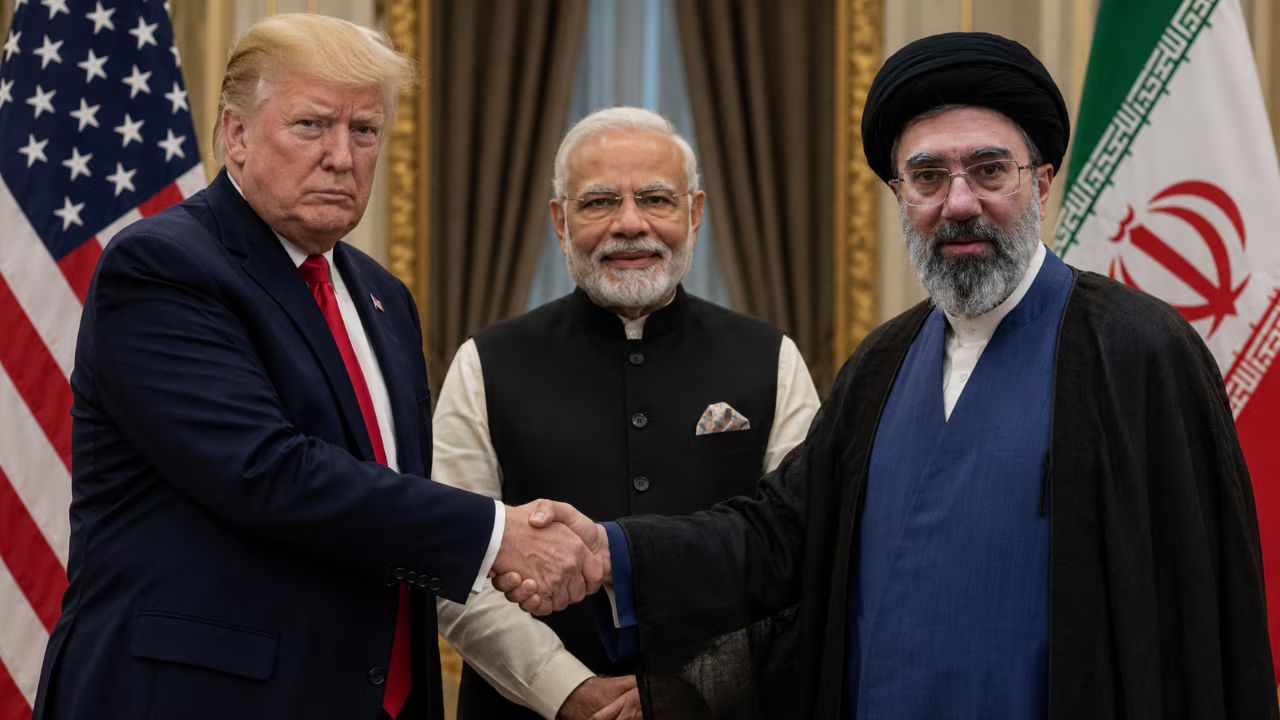
The agreement reached between the United States and Iran to ease the West Asia crisis is expected to benefit India in at least seven different ways
Published: June 15, 2026, 10:28 AM IST
Share Article
https://www.india.com/news/india/us-iran-peace-agreement-oil-gas-crisis-india-narendra-modi-strait-of-hormuz-chabahar-port-instc-oman-dubai-middle-east-cng-png-8446867/
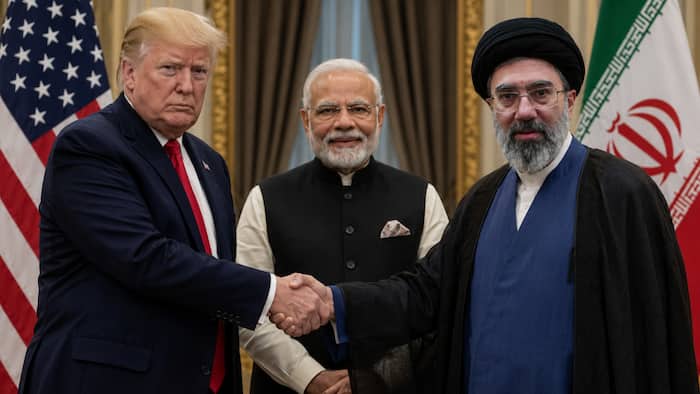
Seven long-term benefits India could gain from the agreement (AI)
New Delhi: In a significant development, the US and Iran on Sunday finalised a deal to end their 107-day war and open the Strait of Hormuz, the narrow waterway used to ferry one-fifth of the global oil supplies. The deal will be signed on Friday after an in-person signing of the agreement in Switzerland. The announcement was made by US President Donald Trump on Truth Social, easing pressure on the global energy markets, as officials said the peace agreement would be signed on June 19 in Switzerland.
“The Deal with the Islamic Republic of Iran is now complete. Congratulations to all,” Trump said, adding that it would reopen the Strait of Hormuz and end the US naval blockade on Iranian ports. “I hereby fully authorise the toll-free opening of the Strait of Hormuz and, simultaneously, authorise the immediate removal of the United States Naval blockade. Ships of the World, start your engines. Let the oil flow!” Trump said.
The agreement reached between the United States and Iran to ease the West Asia crisis is expected to benefit India in at least seven different ways. Some of these benefits are likely to have an immediate impact, while others are expected to produce long-term advantages.
Major Relief from the Oil and Gas Crisis
- To recall, even before the Iran-US peace deal was formally implemented, the mere announcement of the deal pushed global crude oil prices downward.
- On the morning of June 15, 2026, crude oil prices fallen by nearly 4 percent, dropping below USD 84 per barrel
- India will reap immediate benefits from this development.
- The country’s oil import bill is expected to decline, which could help ease inflationary pressures.
- According to the reports, the Modi government is likely to resume importing oil and natural gas from Iran.
- The US blockade in the Strait of Hormuz had severely disrupted supplies, and the peace agreement is expected to restore stability.
Lower Costs and Stronger Supply Chains
- The West Asia crisis has pushed India to find alternative sources for crude oil, LNG, and LPG supplies.
- India increased imports from Russia and Venezuela.
- While these sources offered cheaper oil, transportation costs were significantly higher than imports from Gulf countries.
- This increased the cost of manufacturing, freight, and logistics within India.
- Over the past three and a half months, supply chains have been severely disrupted. The peace agreement raises hopes that these networks will gradually return to normal.
Chabahar Port and the INSTC
- In Iran’s Chabahar port, India made substantial economic and strategic investments
- Owing to the US sanctions, the project had already been facing difficulties.
- The Iran-U.S. conflict raised fears of additional restrictions, but those concerns may now ease, allowing work to accelerate.
- The conflict had cast uncertainty over the International North-South Transport Corridor (INSTC).
- The peace agreement could help revive momentum behind the project.
- The corridor is expected to provide India with a more direct trade route to Afghanistan, Russia, and Central Asia.
Lower Costs and Stronger Supply Chains
- The West Asia crisis has pushed India to find alternative sources for crude oil, LNG, and LPG supplies.
- India increased imports from Russia and Venezuela.
- While these sources offered cheaper oil, transportation costs were significantly higher than imports from Gulf countries.
- This increased the cost of manufacturing, freight, and logistics within India.
- Over the past three and a half months, supply chains have been severely disrupted. The peace agreement raises hopes that these networks will gradually return to normal.
Security of Indians Living in Gulf Countries
- It is important to note that around 9-10 million Indians reside in West Asia and the Gulf region.
- Over the past three and a half months, the conflict between the US, Israel, and their allies on one side and Iran and its allies on the other led to frequent missile attacks
- The attacks have created serious risks for the lives and property of Indians living there.
- Unfortunately, some Indians have already been affected by the conflict.
- With peace and stability returning to the region, the safety and security of the Indian diaspora are expected to improve significantly.
Reduced Risks to Maritime Trade
- The maritime transit became extremely risky in recent months owing to the combination of the US blockade and Iran’s restrictions in the Strait of Hormuz
- During the crisis, several ships with Indian crew members came under attack, which led to casualties among Indian sailors.
- Recently, a Palau-flagged tanker was struck in the Gulf of Oman, resulting in the deaths of three Indian seafarers.
- The peace agreement is expected to significantly reduce the risks faced by Indians working in the merchant navy and maritime trade.
Boost to Indian Exports to Gulf Nations
- India has struggled not only with energy shortages but also with disruptions affecting exporters serving Gulf markets over the past three and a half months
- It is important to note that many Gulf countries depend heavily on India for food products, vegetables, and other essential goods
- Supply chain disruptions hampered deliveries.
- Attempts to route exports through Oman were made, but these proved expensive and operationally challenging.
- Iran itself is a major importer of Indian agricultural products, pharmaceuticals, textiles, and heavy machinery.
- The peace agreement is expected to benefit both Indian exporters and importers across the Gulf region.
Major Geopolitical Relief
- The conflict created diplomatic challenges between India and the United States.
- The recent deaths of three Indian sailors in a U.S. attack heightened diplomatic tensions between the two countries.
- At the same time, India faced significant challenges in maintaining balanced relations with all Gulf nations and navigating a highly complex geopolitical environment.
- Once the peace agreement is formally finalized, India may finally be able to move past this unexpected crisis, which had created unnecessary strategic and diplomatic pressures for the country.