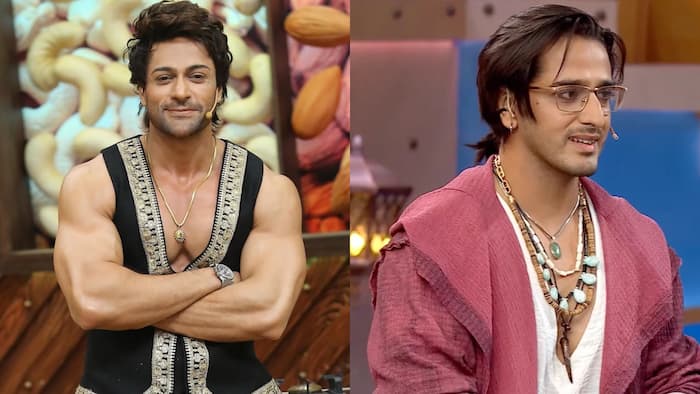

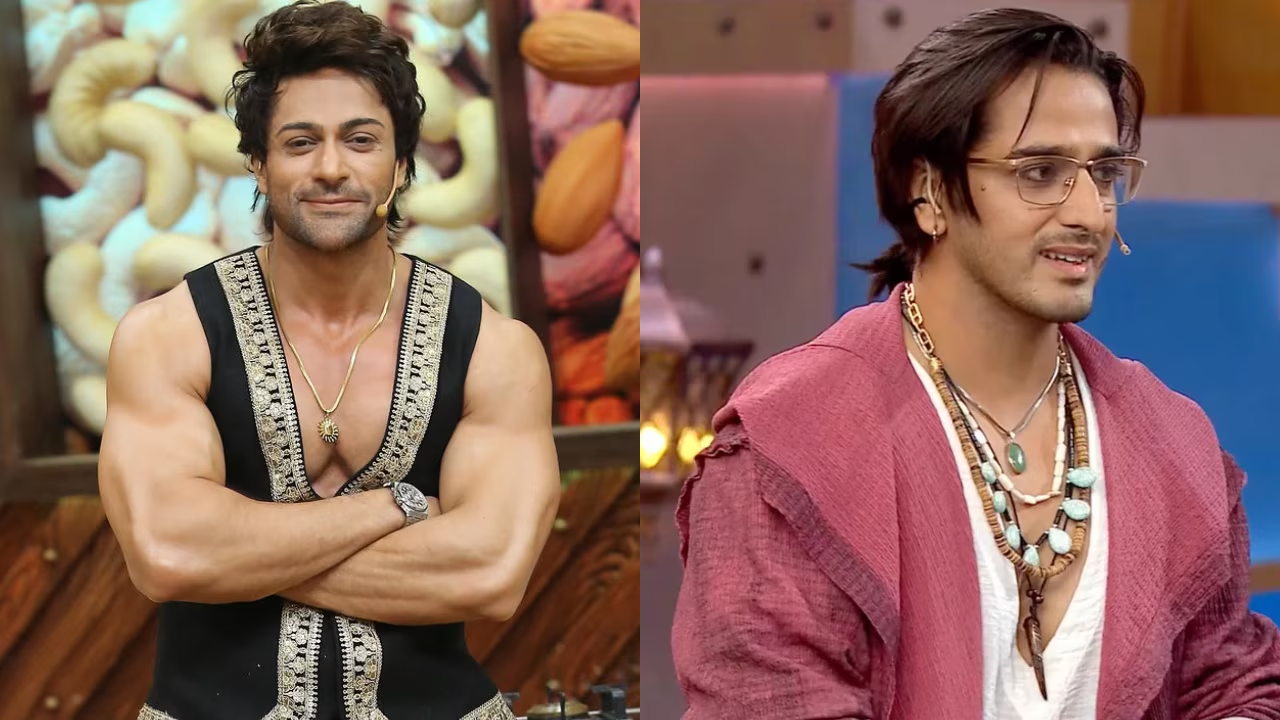
Amaal Mallik has weighed in on the controversy surrounding Tanishk Bagchi’s claim of Rs 8 lakh in unpaid Saiyaara royalties. The singer-composer also shared his own experience with music earnings, reigniting the conversation around fair pay and royalty rights in Bollywood.
Published: July 20, 2026, 1:35 PM IST
Share Article
https://www.india.com/entertainment/amaal-mallik-reacts-to-tanishk-bagchis-rs-8-lakh-saiyaara-royalty-controversy-8478913/
Amaal Mallik reacts to Tanishk Bagchi’s Saiyaara controversy (PC: Twitter)
The conversation around music royalties in Bollywood has taken a new turn after singer and composer Amaal Mallik shared his views following Tanishk Bagchi’s latest remarks about unpaid royalties for the Saiyaara title track. Although Amaal did not mention anyone’s name, his social media post appeared to address the wider issue of how composers are paid for their work. His comments have once again highlighted the financial challenges many music creators continue to face, even when their songs become major hits.
Tanishk Bagchi and YRF royalty controversy
The discussion began after Tanishk Bagchi claimed that he was yet to receive around Rs 8 lakh in royalties for Saiyaara. He also said that the amount he was initially paid for composing the song had gone towards production expenses, leaving him with very little income from the project. In his now-deleted Instagram post, the singer had written, “This was my first film with @yrfentertainment @yrfmusic… I agreed to everything because I believed in the music. I gave this song everything I had. From the production to the composition, working with the lyricist and singers, recording, vocal tuning, sound, arrangements, every single detail mattered to me. I treated it like it was my own. Whatever YRF had paid me, all of that nominal amount was used to do the live and mixes. What was left was zero, yes. That’s what I earned from a song so big.”
His statement quickly sparked conversations across the industry, with many people questioning whether composers receive a fair share of the earnings generated by successful songs.
Soon after Tanishk’s post went viral, YRF also issued a statement. In their statement, “YRF’s official spokesperson wrote, “Saiyaara title track was a beautiful collaboration between three composers (Tanishk Bagchi, along with Faheem Abdullah and Arslan Nizami). We are deeply thankful for their brilliance in creating a timeless song that has touched a million hearts. Royalties for the title track have been shared and will continue to be shared by YRF equally between all three composers as contractually agreed by all, including Tanishk. YRF has paid every collaborator their due, as per contract, all within mutually agreed terms & time.” Soon after that, the Saiyaara singer deleted his social media post.
Amaal Mallik reacts to Tanishk Bagchi and YRF royalty controversy
As the debate continued, Amaal Mallik shared a note on social media, saying that he had been speaking about the same issue for years. Taking X, the singer wrote, “People in the music industry waking up 10 years too late. Where were you in 2015 when I was fighting the system alone :)”
People in the music industry waking up 10 years too late ♂️
Where were you in 2015 when I was fighting the system alone 🙂 pic.twitter.com/x8bjPxT7Lx
— Amaal Mallik (@AmaalMallik) July 19, 2026
Amaal also spoke about his own experience as a composer this year in March 2026. He said that after covering production costs and paying his team, the amount he personally earns from a song is often between Rs 75,000 and Rs 1.5 lakh. His comments suggested that commercial success does not always translate into higher earnings for the people who create the music. He said, “Like for the song, Sooraj Dooba Hai, I got Rs 8 lakh, and I gave everything in that. I had to run my house, make this song. It would have taken Rs 10 lakh max. The song was made in Rs 8-10 lakh. My understanding is that, on average, in the last 12 years, the song has made Rs 65 crore. I had reviewed this 7 years back. Now, it would have made Rs 100 crore. Now, the song, which was made in Rs 10 lakh, has earned Rs 100 crore, and what they would have given us was Rs 15-20 lakh. This includes everything – the engineer, the place, the food – everything, but not royalty.”
The composer also acknowledged veteran lyricist Javed Akhtar for his efforts in securing royalty rights for music creators, adding that there is still more work to be done to ensure fair compensation across the industry.