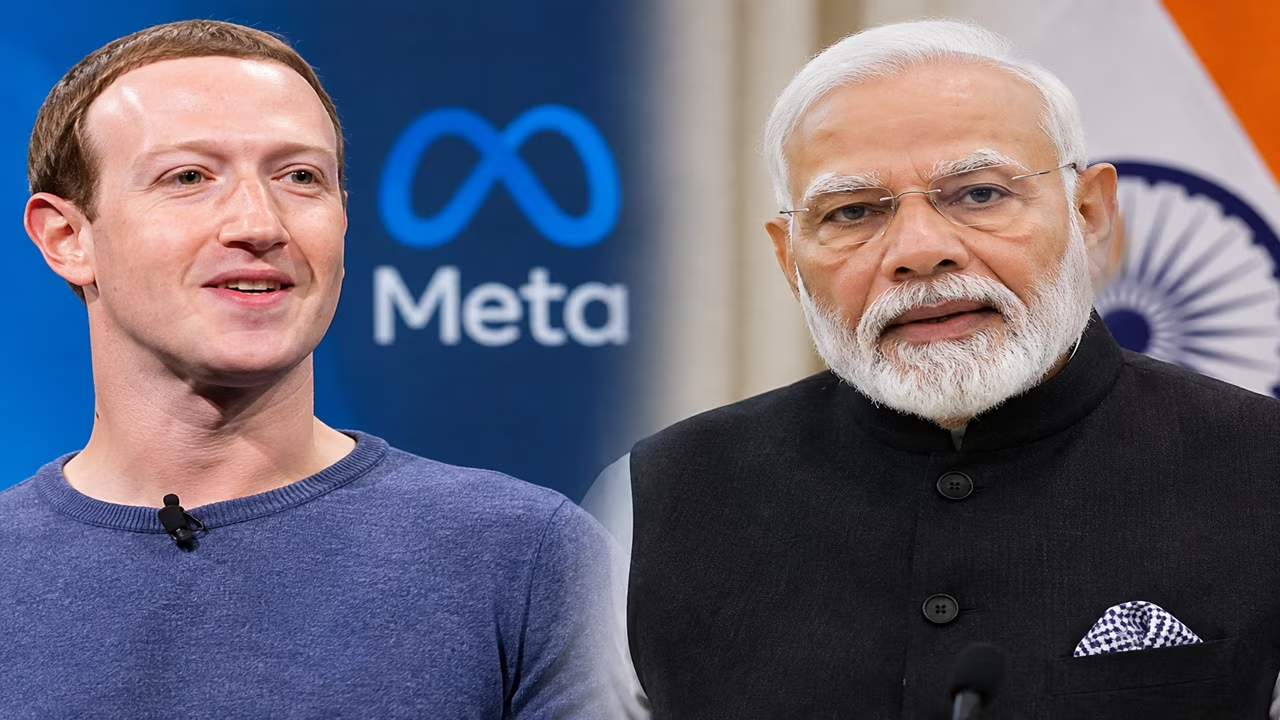
In a statement, the committee said that if Facebook does not act against the officials involved, the government could consider withdrawing the platform’s safe harbour protection.
Updated: August 5, 2026, 11:12 AM IST
Share Article
https://www.india.com/news/india/mark-zuckerberg-will-have-to-parliament-panels-big-warning-to-meta-for-removing-pm-modis-video-issues-ultimatum-of-three-days-safe-harbour-protection-8493394/
A Parliamentary Standing Committee on Communications and Information Technology has asked Meta CEO Mark Zuckerberg to issue an apology within three days over the temporary removal of Prime Minister Narendra Modi’s Facebook videoThe panel warned that the company could face legal action if it fails to respondThe committee, chaired by BJP MP Nishikant Dubey, called the removal of the Prime Minister’s July 23 video a serious matter, saying it amounted to “attack on democracy” It also urged Meta to take action against those responsible for the incident.
In a statement, the committee said that if Facebook does not act against the officials involved, the government could consider withdrawing the platform’s safe harbour protection, which currently shields online platforms from legal responsibility for user-generated content under certain conditions.
The panel further said that if this protection is removed, company officials could face direct criminal proceedings after receiving the necessary approval from the governmentIt reiterated that Mark Zuckerberg should apologise within the given deadline, failing which legal action may be initiated against the company.
“If Facebook does not take action against those responsible in this matter, the Safe Harbour Clause will be removedMark Zuckerberg will have to apologiseOtherwise, a case may be filed,” he said.
Earlier this week, Meta representatives appeared before the Parliamentary Standing Committee, where they were questioned over the temporary removal of Prime Minister Narendra Modi’s Facebook video.
During the meeting, Meta apologised for the incident and said the video was taken down because of a technical errorHowever, the Ministry of Electronics and Information Technology (MeitY) said the explanation was not satisfactoryThe ministry added that if the removal was caused by a system glitch, Meta must improve its technology to ensure such mistakes do not happen again.
According to Meta, the issue occurred because of an unintended mistake in its AI-based content moderation systemThe company said its automated tools were reviewing reposted and edited versions of the video, but the system mistakenly identified the Prime Minister’s original post as well and briefly removed it before restoring it.