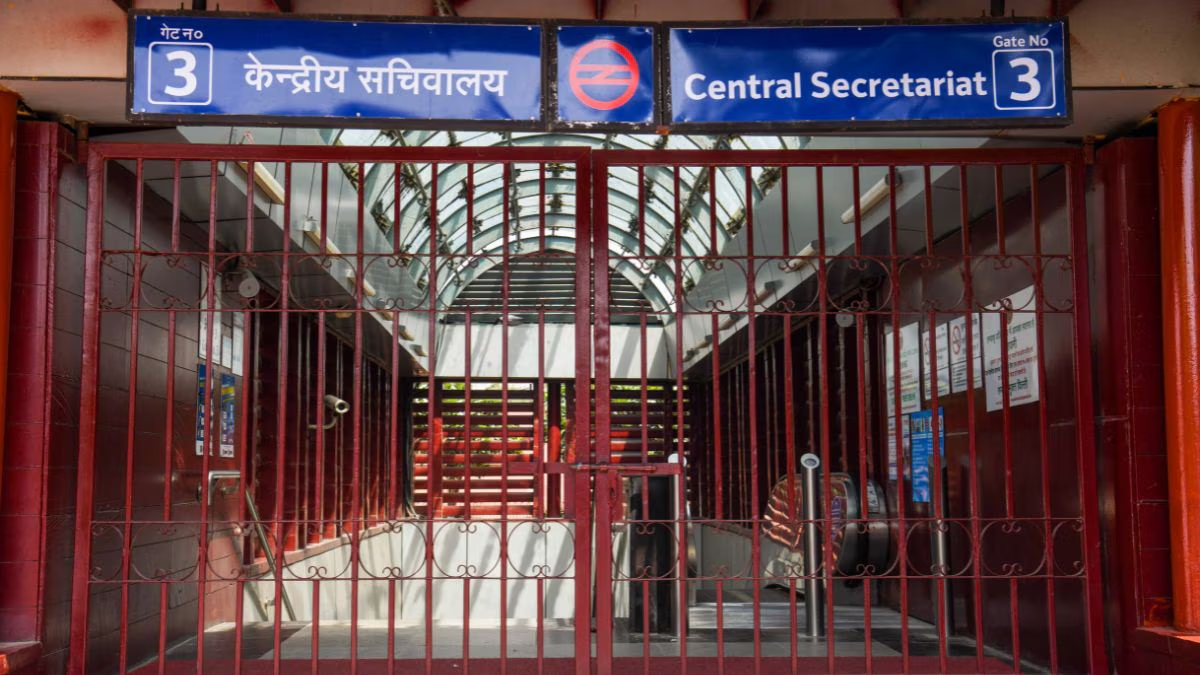
DMRC changed the timings of nearly 45 metro stations across the national capital ahead of the protests in Delhi’s Jantar Mantar, called by the Cockroach Janta Party demanding the removal of CEC Gyanesh Kumar.
Published: October 9, 2026, 10:49 PM IST
Share Article
https://www.india.com/news/india/delhi-metro-station-clousre-update-dmrc-changes-timings-of-45-stations-ahead-of-cec-protests-october-10-jantar-mantar-delhi-police-8534517/
DMRC changes timings of 45 Delhi Metro stationsANI
The Delhi Metro Rail Corporation (DMRC) has revised its order shutting 57 metro stations after the Supreme Court rebuked the authoritiesThe court directed the Centre and Delhi Police to remove blanket restrictions on metro and railway services ahead of the CJP’s protests in the capital on Saturday.
DMRCreduced the number of metro stations affected by security restrictions ahead of the CJP protest from 57 to 45“Entry and exit at the 45 stations will remain closed from 9 pm on October 9 to 6 pm on October 10 due to security reasonsThis is in partial modification of the update shared earlier about the closure of Metro stations,” it posted on X.
Read more:
‘Can’t put a complete ban on Delhi Metro, trains’: SC asks Centre, Delhi Police to lift curbs
Service Update – Revised
Due to security reasons, the entry and exit at the following metro stations will remain closed from 09:00 PM on 9th October, 2026 till 06:00 PM on 10th October, 2026Further the situation will be reviewed by the security agencies and necessary updates will be shared accordinglyHowever, interchange facility will remain available at all the concerned metro stations except New Delhi metro station.
1Janpath
2Patel Chowk
3Central Secretariat
4Lok Kalyan Marg
5Rajiv Chowk
6New Delhi
7Seva Teerth
8Mandi House
9Barakhamba Road
10ITO
11Delhi Gate
12Khan Market
13Ramakrishna Ashram Marg
14Jhandewalan
15Supreme Court
16Indraprastha
17Shivaji Stadium
18Dilli Haat-INA
19Hauz Khas
20Jor Bagh
21Lajpat Nagar
22Jangpura
23Ashram
24Jamia Millia Islamia
25Chawri Bazar
26Jama Masjid
27Karol Bagh
28Rajendra Place
29Vishwavidyalaya
30Kashmere Gate
31Inderlok
32Guru Teg Bahadur Nagar
33Netaji Subhash Place
34Azadpur
35Jahangirpuri
36Haiderpur Badli Mor
37Majlis Park
38Seelampur
39Maujpur-Babarpur
40Jafrabad
41Welcome
42Yamuna Vihar
43Khajuri Khas
44Shahdara
45RithalaThis is in partial modification of the update shared earlier about the closure of Metro stations.
— Delhi Metro Rail Corporation (@OfficialDMRC) October 9, 2026
Entry and exit gates will remain closed on October 10 at 45 Delhi metro stations, including Janpath, Patel Chowk, Central Secretariat, Lok Kalyan Marg, Rajiv Chowk, New Delhi, Seva Teerth, Mandi House, Barakhamba Road, ITO, Delhi Gate, Khan Market, Ramakrishna Ashram Marg, Jhandewalan, Supreme Court, Indraprastha, Shivaji Stadium, Dilli Haat-INA, Hauz Khas, Jor Bagh, Lajpat Nagar, Jangpura, Ashram, Jamia Millia Islamia, Chawri Bazar, Jama Masjid, Karol Bagh, Rajendra Place, Vishwavidyalaya, Kashmere Gate, Inderlok, Guru Tegh Bahadur Nagar, Netaji Subhash Place, Azadpur, Jahangirpuri, Haiderpur Badli Mor, Majlis Park, Seelampur, Maujpur-Babarpur, Jafrabad, Welcome, Yamuna Vihar, Khajuri Khas, Shahdara and Rithala.
Security agencies will review the situation, and further updates will be shared accordinglyInterchange facilities will remain available at all the affected stations, except the New Delhi Metro station.
Supreme Court clears the air on excessive measures
The Supreme Court emphasised that security arrangements cannot translate into a total prohibition on public transport that inconveniences millions of ordinary residentsEarlier in the day, the DMRC had announced that entry and exit gates at 57 metro stations would remain shut from 9 pm onwards on October 9.
Also Read | CEC protests: Govt to shutdown internet around Janpath-Kartavya Path from today
A bench, comprising Chief Justice of India Surya Kant and justices Joymalya Bagchi and V Mohana, said that authorities could regulate the movement of trains to prevent unlawful gatherings but could not bring the entire system to a halt, stressing that the right of Delhi’s residents to access public facilities and move freely also required protection.
“Stopping something and regulating are two different conceptsOne can regulate but it is completely different to put a halt on everything…you cannot stop everything,” observed the bench“You will not use a hammer to kill a fly,” remarked the court, explaining that the authorities must adopt measures commensurate with the situation rather than impose sweeping restrictions.