The NDA is closer to securing the numbers for the delimitation-linked Women’s Reservation Bill after changes in the Opposition campHere’s how the DMK, NCP (SP) and YSRCP could influence the two-thirds majority test in Lok Sabha.
Share Article
https://www.india.com/news/india/womens-quota-delimitation-bill-nda-short-of-majority-but-opposition-churn-may-change-the-game-8548329/
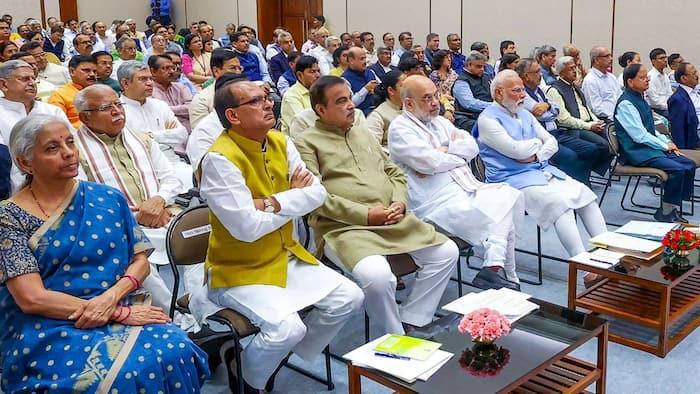
Women’s quota, delimitation Bill: NDA short of majority, but Opposition churn may change the game
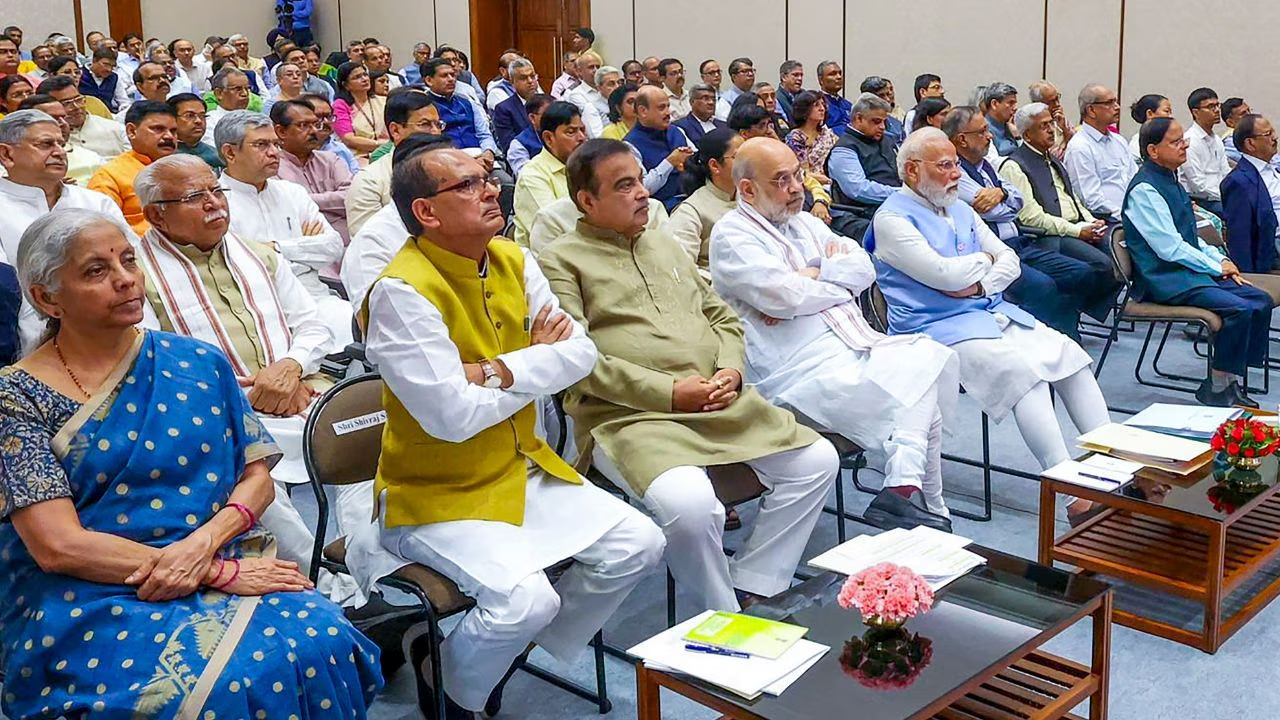
(Image: IANS/File)
The BJP-led National Democratic Alliance (NDA) may have a better chance of passing the delimitation-linked Women’s Reservation Bill as divisions within the Opposition have changed the political numbers in the Lok SabhaHowever, the ruling alliance still needs additional support to secure the two-thirds majority required to pass the proposed Constitution Amendment Bill.
The government is reportedly considering bringing back the legislation during the upcoming sitting of ParliamentThe Lok Sabha is scheduled to reconvene on November 30, while the Rajya Sabha will meet on December 2The sittings may continue until December 3, depending on the business before the Houses.
Read more:
Delimitation 2026 Explained: Why southern states are concerned about losing political clout
Although the government has not officially announced the agenda, the proposed legislation has become a major point of discussion in political circles.
NDA’s current strength in Lok Sabha
The BJP-led NDA currently has around 320 MPs in the Lok SabhaThe BJP, with 241 members, is the largest party in the alliance, while its allies account for the remaining 79 MPs.
The current strength of the Lok Sabha is 540, against its sanctioned strength of 543, with three seats vacantIf all 540 members vote, the government will need 360 votes to secure the required two-thirds majority.
This leaves the NDA 40 votes short of the targetHowever, the final number required will depend on how many MPs are present and vote during the proceedings.
The NDA’s estimated strength is as follows:
- BJP: 241
- National Citizens Party of India (NCPI): 20
- Telugu Desam Party (TDP): 16
- Shiv Sena: 13
- Janata Dal (United): 12
- Lok Janshakti Party (Ram Vilas): 5
- Rashtriya Lok Dal (RLD): 2
- Janata Samajwadi Party (JSP): 2
- Janata Dal (Secular): 2
- NCP: 1
- Shiromani Akali Dal: 1
- Asom Gana Parishad (AGP): 1
- All Jharkhand Students Union (AJSU): 1
- Apna Dal (S): 1
- Hindustani Awam Morcha (HAM): 1
- Sikkim Krantikari Morcha (SKM): 1
Total NDA strength: 320 MPs
How Opposition parties could change the numbers
The positions of three regional parties could play an important role in deciding the fate of the legislationThese include the Dravida Munnetra Kazhagam (DMK), the Nationalist Congress Party (Sharadchandra Pawar) and the YSR Congress Party (YSRCP).
Together, these parties have 34 MPs in the Lok SabhaTheir support could take the NDA’s tally closer to the required majorityThe DMK has 22 MPs, the NCP (Sharadchandra Pawar) has eight, while the YSRCP has four members.
If all three parties support the proposed amendment, the NDA’s numbers could increase from 320 to 354Even then, the government would remain six votes short if all 540 members participate in the voting.
Another possibility is that some Opposition parties decide to stay away from the voteSince the two-thirds requirement is calculated on the basis of members present and voting, the absence of Opposition MPs could lower the number of votes needed to pass the Bill.
Three possible voting scenarios for the NDA
Scenario 1: DMK, NCP (SP) and YSRCP support the Bill
If all three parties vote in favour of the amendment, the NDA could secure 354 votes.
- NDA: 320
- DMK: 22
- NCP (SP): 8
- YSRCP: 4
Total: 354 votes
The government would still need six more votes if all 540 MPs participate in the voting.
Scenario 2: DMK stays away, NCP (SP) and YSRCP support the Bill
If the DMK decides not to participate, while the NCP (SP) and YSRCP support the legislation, the government could get 332 votesWith 22 DMK MPs absent, the number of members voting could fall to 518The two-thirds requirement would then be 346 votes, leaving the NDA 14 votes short.
Scenario 3: DMK and NCP (SP) stay away
If both the DMK and NCP (SP) remain absent, while the YSRCP supports the amendment, the NDA could secure 324 votes.
With 30 MPs staying away, the number of members voting could fall to 510The government would then need 340 votes, leaving it 16 votes short.
Why the NDA’s numbers have improved
The political situation has changed since the government failed to pass the Constitution (131st Amendment) Bill in the Lok Sabha on April 17.
During the voting in April, 528 MPs participatedWhile 298 members supported the Bill, 230 voted against itThe government needed 352 votes but fell short by 54.
Since then, developments within the Opposition have changed the numbers in the Lower HouseTwenty rebel Trinamool Congress MPs broke away and merged with the National Citizens Party of India (NCPI), while six Shiv Sena (UBT) MPs joined the Eknath Shinde-led Shiv Sena.
These developments have strengthened the government’s position compared to the previous attempt.
However, the NDA still needs support from outside its allianceThe DMK and NCP (SP) are particularly important in this calculation, while the YSRCP could also play a role.
What is the Women’s Reservation Bill and how is it linked to delimitation?
The Women’s Reservation Act, passed by Parliament in September 2023, provides for 33 per cent reservation for women in the Lok Sabha and state legislative assemblies.
However, the law links the implementation of the quota to the completion of a Census followed by a delimitation exercise.
Delimitation is the process of redrawing constituency boundaries and deciding the number of seats based on population dataThe proposed changes are also expected to increase the strength of the Lok Sabha.
The upcoming sitting of Parliament could therefore become another major test for the government.