
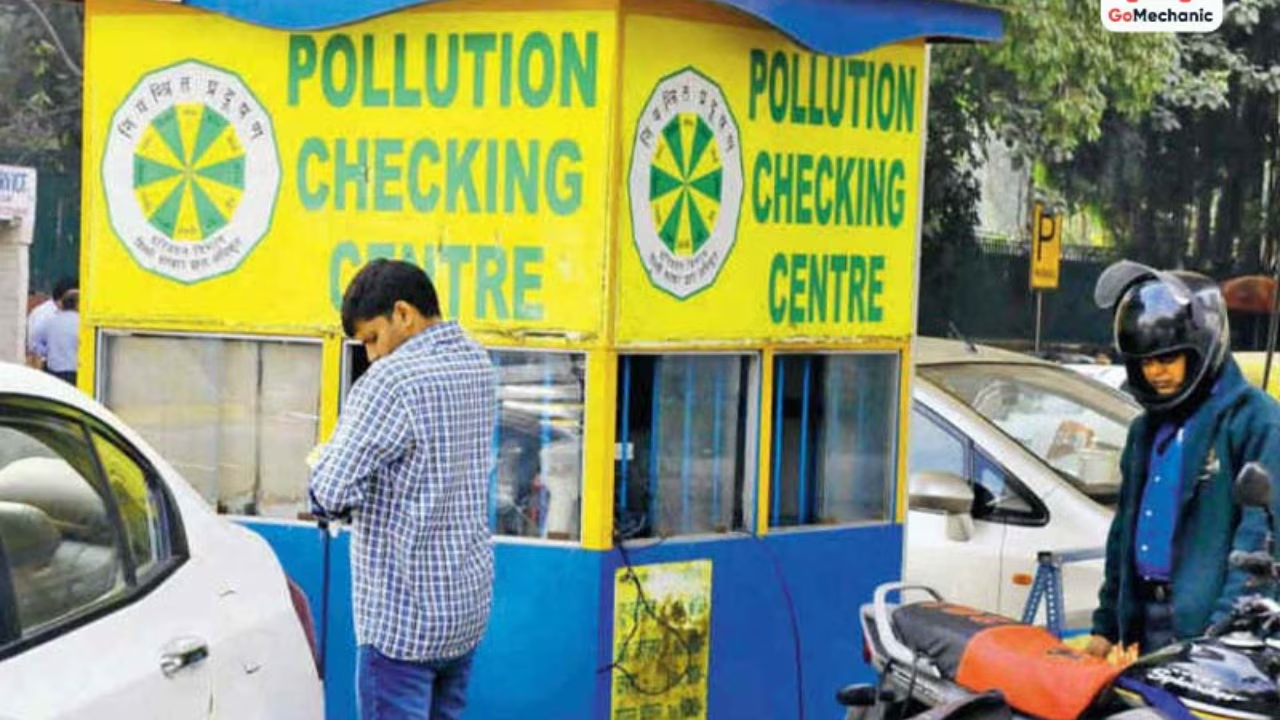
The new rates came into effect on August 15Under the revised rates, the pollution check fee for two-wheelers has been increased from Rs 65 to Rs 80Similarly, the inspection fee for auto-rickshaws has been raised from Rs 75 to Rs 80For cars running on petrol, LPG, and CNG, the inspection fee will now be Rs 150 instead of Rs 115, while for diesel-powered vehicles, it has been increased from Rs 160 to Rs 200.
Published: August 15, 2026, 9:27 PM IST
Share Article
https://www.india.com/news/india/motorists-shell-out-more-money-puc-fees-hiked-in-this-state-new-rules-effective-from-august-15-karnataka-pucc-two-wheelers-auto-rickshaws-petrol-lpg-cng-diesel-bs-4-bs-6-8502530/
(File image)
New Delhi: The Karnataka government has revised the inspection fees charged by authorised centres for issuing Pollution Under Control (PUC) certificates for vehiclesThe new rates came into effect on August 15Under the revised rates, the pollution check fee for two-wheelers has been increased from Rs 65 to Rs 80Similarly, the inspection fee for auto-rickshaws has been raised from Rs 75 to Rs 80For cars running on petrol, LPG, and CNG, the inspection fee will now be Rs 150 instead of Rs 115, while for diesel-powered vehicles, it has been increased from Rs 160 to Rs 200.
Getting a vehicle’s PUC done in Karnataka has become costlier
The government issued an order to hike PUC inspection fees on August 13, following a proposal from the Transport Commissioner and the Road Safety CommissionerThis change was made in response to demands from the Karnataka Emission Testing Centre Owners’ Association, which had long been seeking a revision of the existing feesWhile a PUC certificate is generally valid for six months, vehicles meeting BS-4 and BS-6 emission standards can have a validity of up to one year under the regulationsThe President of the Karnataka Emission Testing Centre Owners’ Association welcomed the decision to hike the fees, stating that the revision had been sought for a long time and should have been implemented earlier.
Why did increasing the PUC inspection fees become necessary?
The government stated that increasing the PUC inspection fees had become necessary due to rising operational costsThese costs include raw materials, fuel prices (petrol and diesel), rent for emission testing centres, maintenance of internet-connected equipment, printer ink, electricity expenses, and staff salariesThe government clarified that the new fees have been implemented under Rule 231-B(13) of the Karnataka Motor Vehicles Rules, 1989Only authorised, computer-operated pollution testing centres will be permitted to charge fees based on the new ratesThese fees will be charged solely for testing vehicle emissions and issuing PUC certificates.
What other conditions does the order stipulate?
The order also stipulates certain mandatory conditions for pollution testing centresCentres must employ trained and qualified staff to conduct pollution testsAdditionally, the gas testing equipment—specifically the gas analyser—must undergo proper recalibration at regular intervalsThe date and time of the gas analyser’s most recent recalibration must be displayed prominently at the centreFurthermore, no handwritten entries or alterations are permitted on the PUC certificateIn accordance with Rule 115 of the Central Motor Vehicles Rules, 1989, PUC certificates may only be issued to vehicles whose pollution levels fall within the prescribed limitsThe order also specifies that the validity period of a PUC certificate may vary depending on the vehicle category and its emission standards.