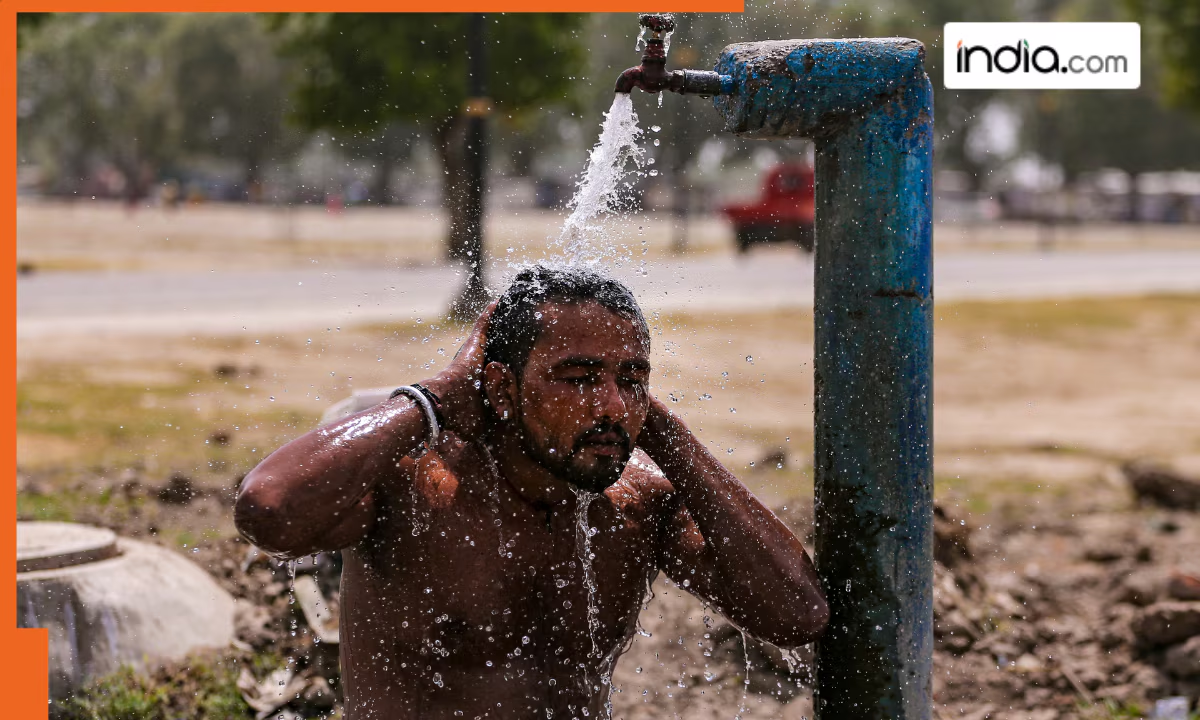
Discover why the “wet-bulb” effect is more dangerous than a standard heatwave and learn why this rising climate phenomenon poses a significant health risk to India.

Published: May 26, 2026 9:17 PM IST
Wet-bulb temperature: Amid the ongoing extreme heatwave in the country, people are suffering due to the massive maximum temperatures. However, another term related to geography is in news called Wet-bulb temperature. Wet-bulb temperature is essentially the lowest temperature air can reach through evaporation. Simply put, it measures how effectively sweat can cool your body. When the air is dry, sweat evaporates quickly, keeping you comfortable. However, when the air is already saturated with moisture, that cooling process slows down or stops entirely. Here are all the details you need to know about Wet-bulb temperature and how it can impact life of Indians.
Why Wet-bulb temperature is a big concern?
When the wet-bulb temperature nears 35°C, human sweat stops evaporating effectively, meaning the body loses its primary way to regulate internal temperature. In this situation, drinking water alone cannot solve this problem because the body’s cooling system has essentially shut down. Consequently, if the body stays in these conditions for too long, the internal temperature rises rapidly, leading to life-threatening heatstroke and potential organ failure.
India’s Vulnerable Climate
India faces a significant threat from these rising temperatures due to its unique geography. Coastal regions naturally contend with high humidity, while dense urban areas often trap heat, creating dangerous pockets of extreme warmth. When you combine these factors with the high moisture levels brought by the monsoon, large parts of the country become susceptible to conditions that can quickly turn hazardous.

Will weak monsoon forecast raises concerns over rural demand?
In a big update for the economic impact for India, a report has claimed that the upcoming monsoon will directly influence India’s FY27 macroeconomic outlook, with the India Meteorological Department forecasting rainfall at 92 per cent of the long-period average, classified as below normal.
The report from investment platform smallcase said that below normal rainfall raises concerns over food inflation, rural demand recovery and interest‑rate trajectories in upcoming quarters.
It further highlighted that stable rainfall conditions could support inflation management and sustain growth momentum, while weaker rainfall patterns may increase inflationary pressures and create volatility across rural-linked sectors.