From unique concepts to effective scares, independent horror projects are proving that originality and execution can often outweigh massive production budgets.
Share Article
https://www.india.com/entertainment/why-hollywoods-low-budget-horror-films-like-obsession-and-backrooms-feel-fresher-than-bollywoods-expensive-spectacles-8444775/
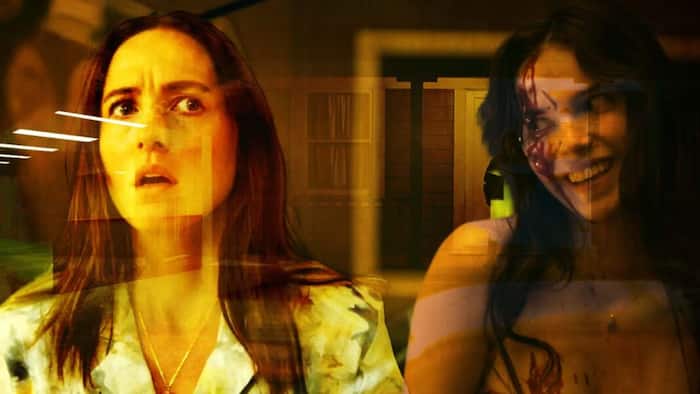
The rise of low-cost horror cinema (PC: Twitter)
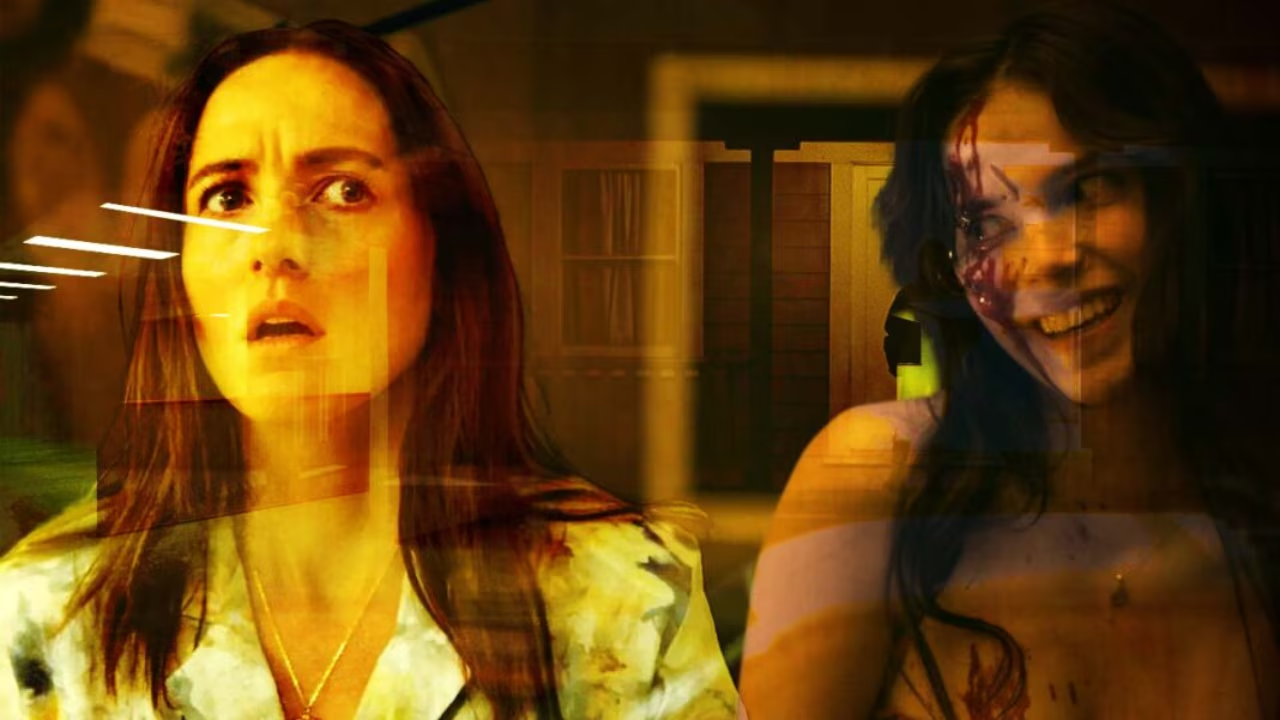
The biggest conversations in cinema today are not always being driven by films with the largest budgets. In fact, some of the most talked-about movies of recent years have come from the horror genre, where relatively small productions have managed to create a much bigger cultural impact than many expensive blockbusters. Films like Curry Barker‘s Obsession and Kane Parsons Backrooms have attracted audiences across the world through strong concepts and immersive storytelling rather than relying on giant visual effects budgets. Their success has also sparked a larger debate about why many big-scale Bollywood productions often struggle to create the same excitement despite spending hundreds of crores.
Why are tiny horror films creating bigger conversations than blockbusters?
One of the biggest reasons is simplicity. Low-budget horror films understand that fear does not come from scale. It comes from atmosphere, uncertainty and emotional involvement. Instead of trying to overwhelm viewers with spectacle, these films place audiences inside uncomfortable situations where imagination becomes more powerful than what is shown on screen.
Modern audiences are also becoming more selective. They are no longer impressed simply because a film looks expensive. Viewers now want fresh storytelling, strong characters and ideas that feel different from what they have already seen.
What makes Obsession and Backrooms feel so different?
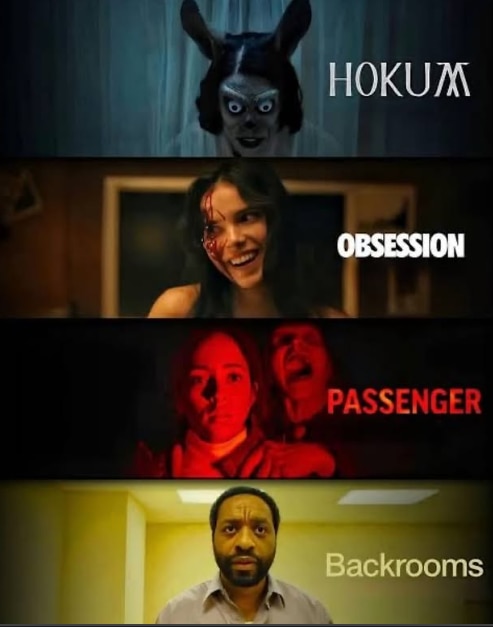
Obsession, starring Inde Navarrette and Michael Johnston has become one of the strongest examples of how a small film can create a huge impact. Made on a budget of just $750,000, approximately Rs 6.25 crore, the film focused entirely on psychological tension and character-driven fear. Rather than depending on expensive visual effects, it used atmosphere and suspense to keep viewers invested.
Backrooms featuring Chiwetel Ejiofor and Renate Reinsve followed a similar approach. Produced for under $10 million, roughly Rs 83.3 crore, the film transformed a viral internet concept into a deeply unsettling cinematic experience. Its mysterious environments and constant sense of dread connected strongly with younger audiences who were already familiar with the online mythology surrounding the concept. Both films succeeded because they trusted viewers to engage with the story instead of explaining everything.
How did Iron Lung, Hokum and Passenger continue the horror streak?
The trend did not stop with Obsession and Backrooms. Iron Lung helmed by Markiplier further demonstrated the power of minimalist storytelling. Made for around $4 million or nearly Rs 33.3 crore, the film relied on a confined setting and psychological isolation to generate fear. Hokum directed by Damian Mc Carthy and Passenger helmed by André Øvredal also continued the momentum.
While operating on modest budgets compared to studio blockbusters, both projects focused on atmosphere, character psychology and unique concepts. Instead of trying to appeal to everyone, they embraced their identities and delivered focused horror experiences. This approach has helped many independent horror films achieve strong audience engagement and impressive profitability despite limited resources.
How Bollywood created a horror phenomenon with Stree and then struggled to repeat it?
Interestingly, Bollywood found a strong horror formula with Stree in 2018, which was directed by Amar Kaushik, while the creative idea was shaped with input from Raj & DK. The film changed the genre by blending horror, comedy and folklore in a fresh way that deeply connected with audiences. Its success continued with Bhediya and Stree 2, helping build the Maddock Horror Cinematic Universe and keeping viewers engaged across multiple films.
However, not every later entry matched that impact, as films like Munjya and Thamma generated curiosity but did not recreate the same magic. Over time, many viewers felt the focus shifted more toward franchise expansion and commercial scale rather than original storytelling, raising questions about whether the balance between creativity and spectacle has gradually weakened.
Are audiences getting tired of spectacle-driven filmmaking?
This question extends beyond horror as several expensive Bollywood productions have struggled despite massive budgets and aggressive marketing campaigns. Films such as War 2, Sikandar and Baaghi 4 faced criticism for prioritising scale and star power over compelling storytelling. The problem is not budget itself. The problem begins when filmmakers assume that budget alone can replace strong writing and emotional engagement.
Why do some Bollywood horror films fail to leave a mark?
The issue is visible within the horror genre as well. Films such as Creature 3D, Alone, Bhoot: Part One – The Haunted Ship, Kakuda and Chhorii 2 and the recent ones like The Raja Saab, Bhooth Bangla and Haunted 3D: Ghosts Of The Past struggled to create the atmosphere that makes horror memorable. Many of these projects relied heavily on jump scares, loud sound design and visual effects created with AI while neglecting suspense and psychological tension. As a result, audiences often remembered the spectacle but not the story.
Meanwhile, smaller international horror films continued to prove that fear works best when it feels personal and unpredictable. This is where exceptional films such as Oddity, Barbarian, Talk to Me, Men, Evil Dead Rise, Bring Her Back, Weapons, Companion, Together, Send Help and Undertone win the battle by creating deeply unsettling atmospheres that appeal strongly to cinephiles who have always been drawn to horror and psychological horror.
Is creativity becoming more important than budget?
The growing success of independent horror strongly suggests that the answer is yes. Limited budgets force filmmakers to focus on storytelling, atmosphere and character development. These constraints often lead to greater creativity because there is no opportunity to hide weaknesses behind expensive visuals. Films like Obsession, Backrooms, Iron Lung, Hokum, Passenger and other cult examples mentioned above demonstrate that audiences reward originality far more than excess.